Shared-bedroom transcription listener
You replay interviews while someone else uses the room. Reducing distractions and sound bleed matters alongside hearing quiet speech.


For interview listening in a shared bedroom, start by checking over-ear, closed-back headphones: a well-fitting seal can help limit room distraction and sound bleed, though comfort and listening level still matter. Wired monitoring headphones suit repeated speech review when your device has a compatible output; wireless noise-cancelling headphones are an alternative when incoming room noise is the bigger obstacle, but noise cancellation does not establish how much sound another person will hear.
You replay interviews while someone else uses the room. Reducing distractions and sound bleed matters alongside hearing quiet speech.
You listen closely for uncertain words, edits or recording artefacts, and want to assess voices rather than choose headphones for an entertainment-focused sound.
You work through extended recordings, so fit, cable arrangement and a comfortable listening level can matter as much as the headline audio features.
For interview recordings in a shared bedroom, decide which matters most to you: limiting disturbance, picking out speech or staying comfortable through a long session. Then check the exact model against your device and listening setup.
| Concern | What to check | Who this matters to |
|---|---|---|
| Room distraction and sound bleed | Check for over-ear, closed-back construction and assess the seal and fit. Check leakage separately from noise cancellation. | If someone else is resting nearby, I want to hear quiet passages without disturbing them; for roughly 42% of consumers, limiting room distraction and sound bleed is the primary concern. |
| Speech and recording detail | Look for a closed-back model described for monitoring or detailed reproduction, then confirm its plug and cable suit your source. | When I replay uncertain words and edits, I need to follow the speech without an exaggerated sound character; around 33% of consumers put speech detail first. |
| Long-session practicality | Assess fit and cable routing for your listening position; check connector compatibility and whether replacement parts are available. | During a long transcription session, I need a fit I can tolerate and a connection that works at my desk; for roughly 25% of consumers, those practicalities take priority. |
An open-back headphone marketed for spacious or detailed sound does not address the same sound-bleed concern as a closed-back design. Audio-Technica and Sennheiser describe passive isolation in their closed-back monitoring models, although the seal will depend on fit.
Check the construction first, then compare voice reproduction and comfort among models that suit the shared-room setting.
Active noise cancellation addresses sound coming towards the listener; it does not tell you how audible the recording will be to someone nearby.
Check sound bleed and ear-cup fit separately, and keep the volume only as high as you need to hear comfortably.
A suitable wired headphone may not plug directly into the laptop, phone, recorder or audio interface you intend to use.
Identify your device’s output and check the headphone plug, cable arrangement and included adapters before ordering.
A device without an analogue headphone output may require a compatible USB-C or Lightning audio adapter.
GOV.UK advises that batteries and electrical products should be recycled separately; batteries can present a fire risk when disposed of in rubbish.
Use a suitable battery or electrical-waste collection route. Treat headphones with a non-removable battery as an electrical product.
Its wired M-Series includes the ATH-M20x, ATH-M40x and ATH-M50x closed-back monitoring headphones.
The wired MDR-7506 is a reference headphone associated with broadcast and studio use.
The HD 480 PRO is a wired, closed-back studio headphone for listeners considering passive shielding and a detachable cable.
These headphones offer wireless noise-cancelling or wired over-ear options for replaying interviews. Before choosing one for a shared bedroom, check its fit, connection and sound leakage rather than treating noise-cancelling or passive-noise-reduction wording as a measure of privacy.
 No image available
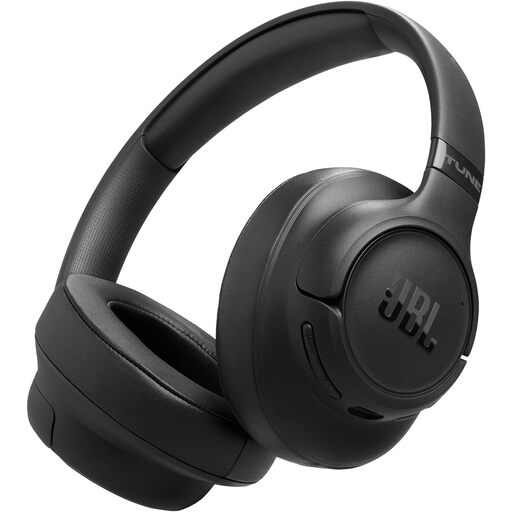
Consider this wireless option if incoming room noise interrupts interview playback; assess sound bleed and long-session fit separately.
Check that its connection options suit the device you use for recordings.
 No image available
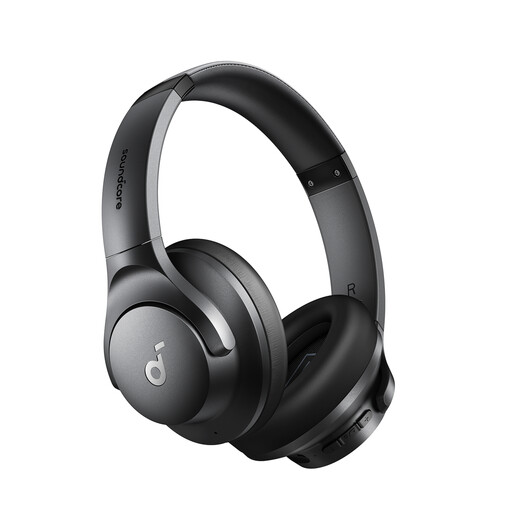
This wireless over-ear model is an option when background noise distracts you from spoken passages; check voice clarity, leakage and comfort with the recordings you expect to hear.
 No image available
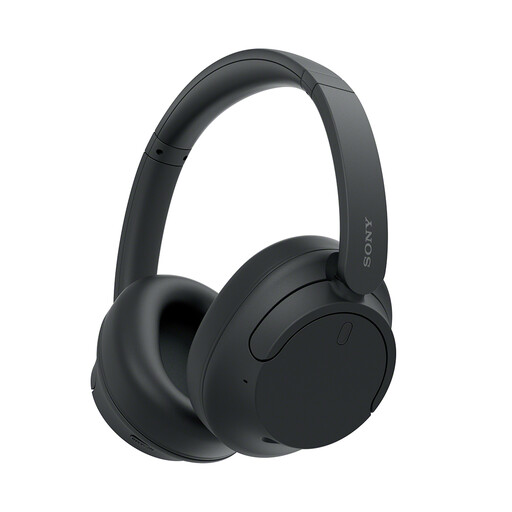
Consider the WH-CH720N when incoming bedroom noise is the obstacle, while checking sound leakage and fit independently of its noise-cancelling feature.
If you plan to use a wired connection, confirm that your recording device has a compatible output.
 No image available
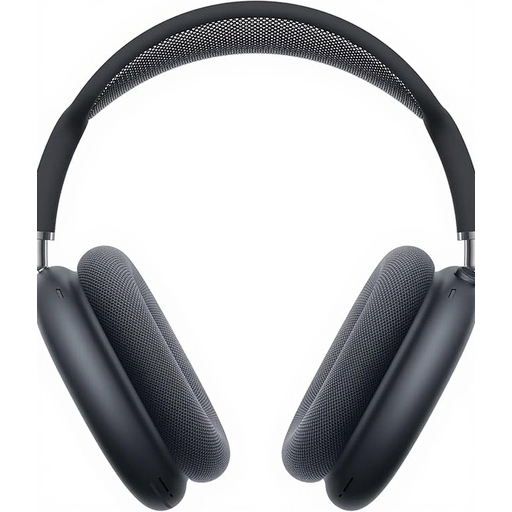
For interview playback on a compatible Apple device, check the required software support before choosing this wireless option.
Assess voice clarity, sound leakage and long-session fit for the shared-bedroom setting; USB-C identifies this variant.
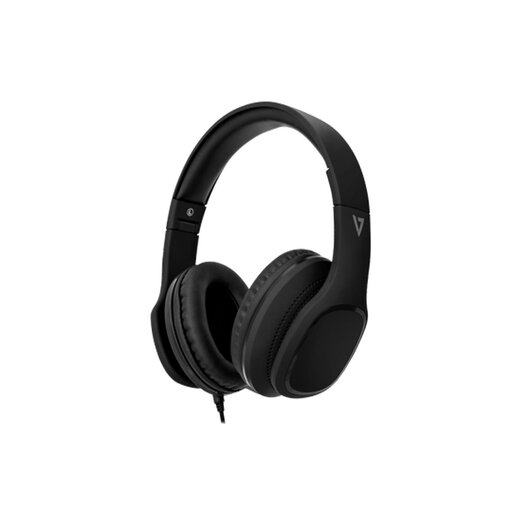 No image available
Consider this wired model if you want to avoid charging during interview review, but confirm that it connects to your source and assess its fit and sound bleed.
The product name specifies 40 mm drivers and passive noise cancellation; those descriptions do not measure speech detail or leakage.
Choose wired closed-back monitoring headphones if direct connection and repeated speech review matter most; consider wireless noise cancellation if incoming room noise is the bigger obstacle. Check the exact model’s fit and leakage either way, because noise cancellation alone does not tell you what someone sharing the room will hear.
They will connect directly only if the headphone plug matches an output on your device. Sony UK lists a 3.5 mm mini plug for the MDR-7506, while Sennheiser lists 3.5 mm and 6.3 mm connectors for the HD 480 PRO; a device with only USB-C or Lightning may need a compatible audio adapter.
Reduce distracting room noise where you can and use only enough volume to hear comfortably. Royal Free London NHS Foundation Trust notes that noise-cancelling headphones can reduce the urge to turn up the sound to overcome outside noise; listening level and duration still matter.
That depends on the model and the availability of a compatible part. Audio-Technica lists an official replacement cable compatible with the ATH-M40x and ATH-M50x; check the exact connection and parts availability before buying a headphone you expect to keep using for long sessions.