What matters when choosing?
For jazz before sleep, separate the question of what feels comfortable against a pillow from what you prefer for attentive listening. These three headphone types answer different parts of that decision.
Low-profile sleep earbuds
Choose when: You regularly turn onto your side and may keep the earbuds in after falling asleep.
Trade-off: Sleep features are not the same as music features. Soundcore states that Sleep A20 has no active noise cancelling, while Which? cautions that smaller sleep earbuds can compromise sound quality and battery life compared with regular Bluetooth headphones.
Conventional noise-cancelling earbuds
Choose when: You want compact earbuds for jazz before bed that you can also use during the day.
Trade-off: An in-ear design does not establish side-sleep comfort. Try the tips in your usual lying position rather than relying on music or noise-cancelling features as a fit test.
Over-ear wireless headphones
Choose when: Your jazz session ends before you settle onto your pillow and you want an around-ear fit for listening while seated or reclining.
Trade-off: An earcup can press against a pillow when you turn sideways, as soundcore notes in its sleep guidance. Plan to remove the headphones before sleeping if that pressure bothers you.
| Concern |
What to check |
Who this matters to |
| Comfort when falling asleep |
Try the fit against your pillow and compare music-playback time with any separate sleep-mode figure. |
If I might turn onto my side before the album ends, I need earbuds that do not press painfully against my ear. Roughly 42% of consumers put sleeping comfort first. |
| Jazz playback and controls |
Check EQ or sound-personalisation options and whether your source device supports the advertised connection features. |
When I listen closely before bed, I want to adjust the sound and keep using my preferred music source. About 33% of consumers prioritise that listening flexibility. |
| Bedroom noise and volume |
Check for active noise cancelling or a comfortable seal, plus a timer if playback might continue after sleep. |
If bedroom noise masks quiet passages, I would rather reduce the distraction than keep turning jazz up. Around 25% of consumers put lower-volume listening amid noise first. |
Joybuy products for bedtime listening
These choices include sleep-focused earbuds for listeners who may lie down wearing them and conventional noise-cancelling earbuds for a pre-sleep music session. Check fit and the relevant playback mode before deciding which use matters more to you.
 No image available
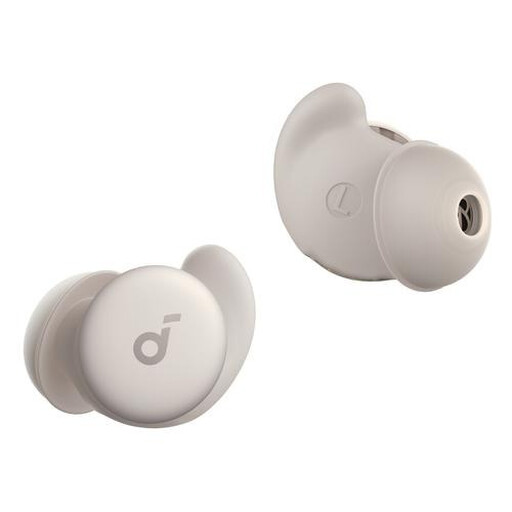
Soundcore Sleep A20 wireless in-ear headset, white
Consider this sleep-focused pair if you may turn onto your side while jazz is playing; test the fit against your own pillow. Soundcore lists up to 10 hours of Bluetooth playback for Sleep A20, but says it does not have active noise cancelling.
View on Joybuy
 No image available
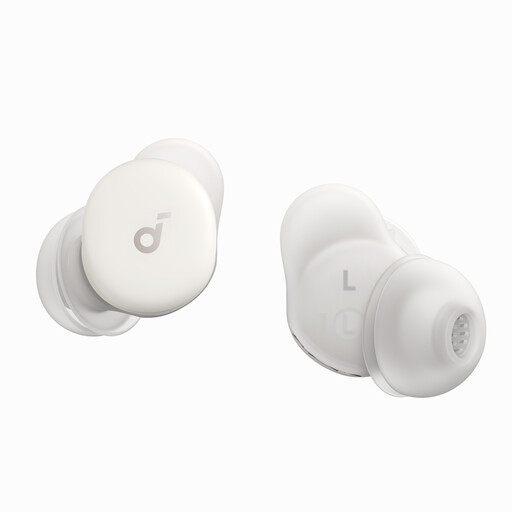
Soundcore Sleep A30 earbuds with active noise cancelling
Consider these if you want a sleep-focused form with active noise cancelling for bedtime listening. Soundcore also presents snore masking as a model feature; assess the fit yourself and check Bluetooth music-playback time for your planned session.
View on Joybuy
 No image available
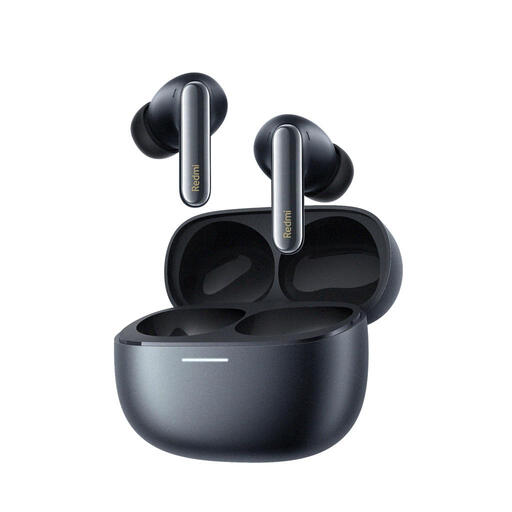
Redmi Buds 6 Pro, Space Black
These conventional wireless earbuds are a route to consider for jazz before bed rather than assuming overnight comfort. Check their noise-control options, playback time and sound controls against your routine, and try the fit against a pillow if you might fall asleep wearing them.
View on Joybuy
 No image available
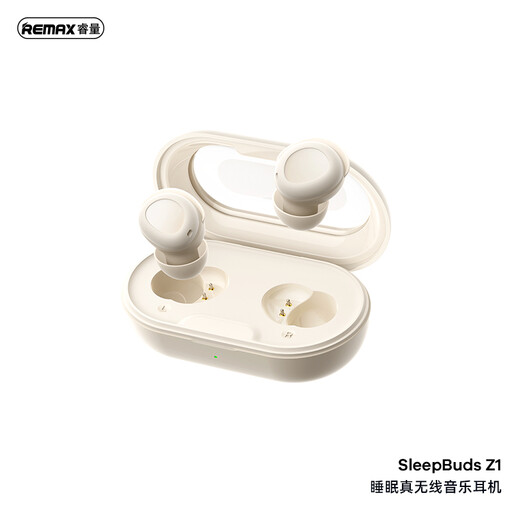
REMAX SleepBuds Z1 wireless music earbuds, white
Consider this sleep-focused pair if a compact in-ear form is your priority. Check comfort in your usual sleeping position and confirm music-playback time and noise-control features for the way you plan to listen.
View on Joybuy
 No image available
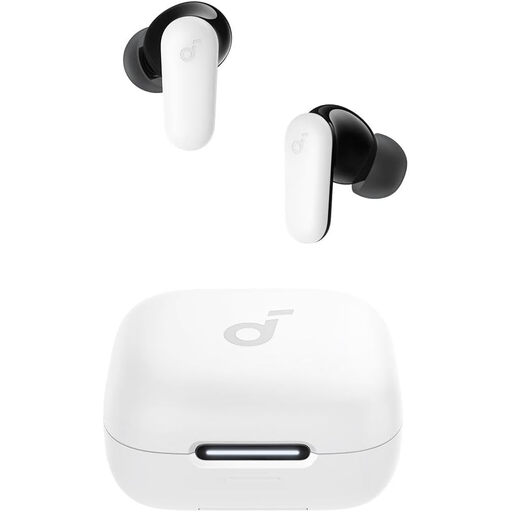
Soundcore R50i NC noise-cancelling earbuds, white
These conventional noise-cancelling earbuds are worth considering if bedroom noise distracts you during a pre-sleep album. Check playback time with noise cancelling on and try the fit against your pillow before relying on them for sleep.
View on Joybuy
Frequently asked questions
Can I fall asleep wearing over-ear wireless headphones?
They can work for jazz while you sit up or recline, but an earcup may press against your pillow if you turn onto your side. Soundcore’s sleep guidance identifies this as a possible comfort issue with standard over-ears; try your usual position and consider a timer if you tend to fall asleep before the music ends.
Do sleep earbuds sound better for jazz?
Not necessarily: their main reason for consideration here is fit during sleep, not assured sound quality. Which? notes that smaller sleep earbuds may sacrifice sound quality and battery life compared with regular Bluetooth headphones. If you also listen attentively away from bed, compare that use alongside pillow comfort.
How loud should bedtime jazz be?
Keep it at a comfortable, modest level rather than turning it up to overpower the room. The World Health Organization advises no more than 60% of a device’s maximum volume and notes that safe exposure time falls as loudness rises; a comfortable seal or suitable noise cancelling may help you avoid raising the level.
Will sleep earbuds stream jazz all night?
Check the Bluetooth music-playback figure, not a separate sleep-sound mode figure. Soundcore lists Sleep A20 at up to 10 hours in Bluetooth Mode and up to 14 hours in Sleep Mode; those are different uses, and actual playback time can vary. For a shorter wind-down session, a timer may be more useful than planning for continuous playback.


