For long sessions in a library or shared home, consider over-ear wireless headphones with active noise cancellation (ANC) if fit and single-charge use matter most; choose ANC earbuds if a smaller pair is easier to carry, or wired headphones if you want a compatible direct connection without charging. None will make a shared space silent, so check fit, calls, device connections and battery figures for the exact model.
Who is choosing?
Long-session library studiers
Students working alone in quiet or silent zones who need a comfortable fit, manageable background noise and enough charge for their study blocks. London School of Economics and Political Science student work from 2022/23 described persistent noise concerns in silent zones, particularly talking.
Shared-home online learners
Students joining lectures, seminars or calls near housemates who need to check microphone suitability, awareness of their surroundings and switching between study devices.
Plug-in desk studiers
Students mainly using one compatible device at a desk who would rather use a direct wired connection than manage charging.
Which features matter most?
Over-ear wireless ANC
Consider it when: You spend long stretches at a study desk and want around-ear fit, noise control and wireless listening.
Bear in mind: It takes more room to carry than earbuds, needs charging and may not feel comfortable with your glasses or over a long session.
In-ear wireless ANC
Consider it when: You move between lectures, libraries and home and want a compact pair you can carry easily.
Bear in mind: Ear-tip fit is personal, and a long day may require access to the charging case.
Wired headphones
Consider it when: You study at a compatible device and prefer a direct connection without charging or Bluetooth pairing.
Bear in mind: The cable limits movement; wired headphones do not automatically have ANC, and the plug must suit your device.
| Concern |
What to check |
Who this matters to |
| Noise and awareness |
Check whether the exact model has ANC or only passive isolation, and whether it offers an ambient mode when you need to hear people or announcements. |
Nearby conversation can distract me, but I still need to hear an announcement when it matters; around 33% of consumers put noise management first. |
| Fit and session length |
Assess earcup pressure or ear-tip fit, and compare stated runtime with ANC on rather than relying on a figure for another listening mode. |
I want to stay comfortable through several study blocks without interrupting listening to recharge; around 25% of consumers make fit and session length their primary concern. |
| Moving and taking calls |
Check the microphone and any model-specific two-device switching feature; assess call performance in the sort of room where you will use it. |
I carry headphones between study locations and join calls from more than one device; for around 25% of consumers, portability and calls come first. |
| Direct connection |
Match the headphone plug to your device’s audio output, and check cable length and microphone controls if you need them. |
At my desk, I would rather avoid charging and Bluetooth pairing, especially for time-sensitive audio; around 17% of consumers prioritise a direct wired connection. |
What should you avoid assuming?
-
ANC means complete silence
Noise cancellation cannot be relied on to remove nearby speech or sudden sounds in a library or shared home.
If you need to hear announcements or housemates, check for an ambient mode. Assess how the headphones handle your usual surroundings while any applicable return option is available.
-
Every battery figure describes the same use
Stated runtime can change with the listening mode. With earbuds, time on one charge is different from total listening time supported by the case.
Compare ANC-on figures for the exact models and decide whether you will have the case or a charging cable during your study day.
-
Any wired pair will plug straight in
A direct wired connection depends on the headphone connector and your device’s supported audio output. RTINGS notes that wired headphones generally have little to no connection latency, but the cable limits range.
Check the device port and headphone plug before ordering, including whether a compatible adapter is needed.
-
A listed microphone guarantees clear calls
A microphone specification alone does not establish how you will sound to classmates when housemates are talking or your room echoes.
If online seminars are a main use, look for call tests of the exact model and try it in your usual room while an applicable return option is available.
Brands and model lines to consider
Sony
The WH-1000XM5 is a reference point for over-ear wireless ANC when stated runtime and two-device connection matter.
- Sony lists up to 30 hours of continuous music playback with noise cancelling on and provides support guidance for connecting two devices simultaneously.
- Those model-specific features do not establish how the headphones will fit or handle calls and nearby speech in your study space.
Bose
The QuietComfort Headphones are relevant to students considering around-ear ANC with a choice of noise-control modes and cable use.
- Bose lists Quiet and Aware modes, a built-in microphone, up to 24 hours of battery life and an audio cable with an inline microphone.
- Listed features do not establish comfort or call quality in a particular shared room.
Apple
AirPods Pro 3 illustrate the compact ANC earbud route where ear-tip choice and case charging matter.
- Apple lists five ear-tip sizes, up to 8 hours of listening with ANC on per charge and up to 24 hours with the case.
- Fit remains individual, and the usefulness of device-specific features depends on your own devices.
Sennheiser
The HD 400S represents a closed-back wired option for a compatible study device.
- Sennheiser describes an around-ear design, a detachable 3.5 mm cable and a one-button cable remote for music and calls.
- This is a wired, passive-isolation route rather than ANC; check the connection on your device.
Joybuy headphones for these study routes
These choices cover over-ear wireless noise-cancelling headphones, a portable in-ear option and a wired desk pair. Compare the connection and fit you need before choosing a model.
 No image available
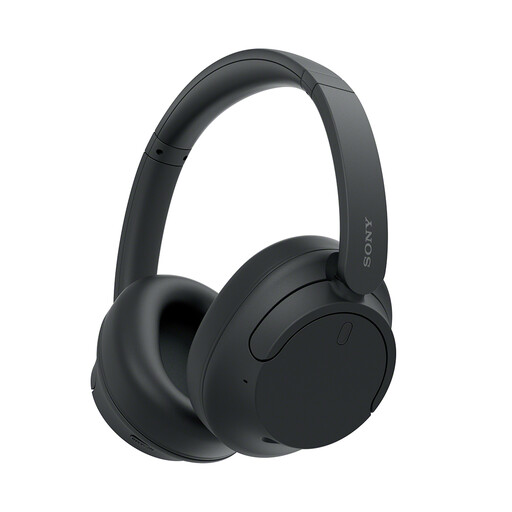
Sony WH-CH720N Noise-Cancelling Over-Ear Headphones (Black)
Consider this wireless over-ear pair for shared-space study if you prefer headphones to earbuds. Check the fit over a long session and assess its microphone for your usual calls.
View on Joybuy
 No image available
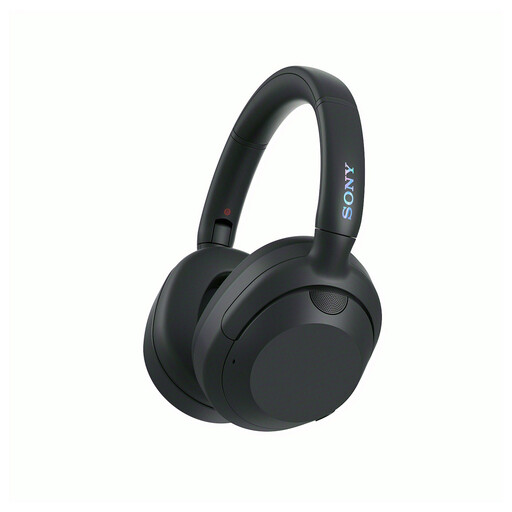
Sony WH-ULT900N ULT Wear Noise-Cancelling Over-Ear Headphones (Black)
This wireless over-ear option suits consideration for longer study blocks where noise control matters. Check its ANC-on runtime and connection options for the devices you use, and assess comfort and calls separately.
View on Joybuy
 No image available
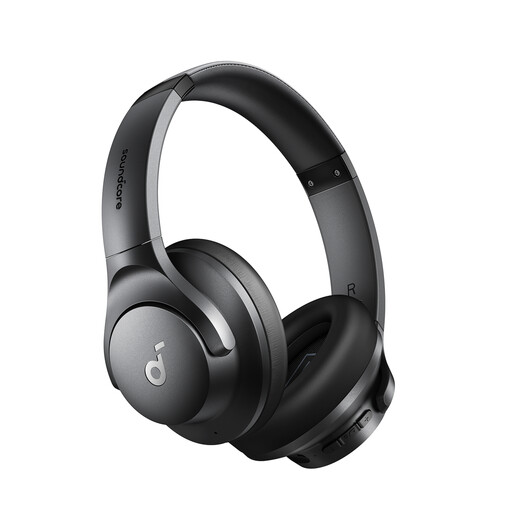
soundcore Q21i Noise-Cancelling Wireless Over-Ear Headphones (Black)
Consider the Q21i if you want a wireless over-ear format for studying around other people. If calls are essential, confirm its microphone and check how it performs with your study device.
View on Joybuy
 No image available
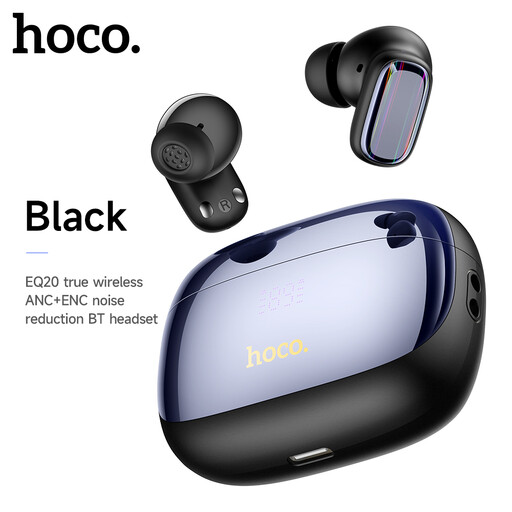
HOCO EQ20 Rhyme Wireless Noise Reduction Earphones (Black)
The in-ear format is worth considering if you carry headphones between study locations. Confirm the exact noise-control mode and per-charge runtime, and check whether the fit and microphone suit your routine.
View on Joybuy
 No image available
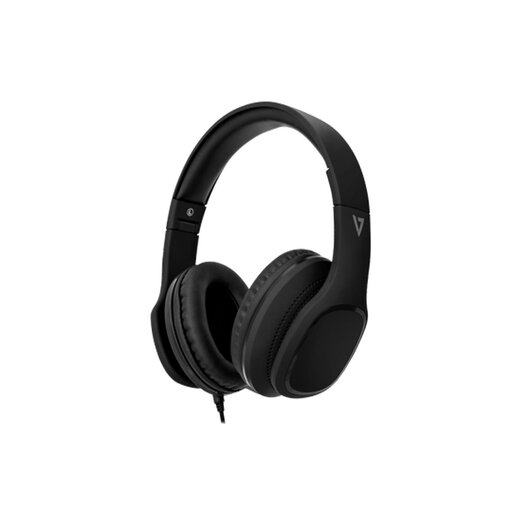
V7 HA701-3EP Wired Over-Ear Headphones
Consider these for desk study if your device has a compatible wired audio connection. The product name specifies 40 mm drivers and an inline MEMS microphone; its noise isolation is passive, not ANC.
View on Joybuy
Common questions
Do I need ANC in a quiet library?
Not necessarily: consider ANC if background noise interferes with the audio you are studying with, rather than assuming a quiet-zone label means you will never hear talking. London School of Economics and Political Science student work from 2022/23 described noise concerns in silent zones; ANC will not necessarily remove nearby voices or sudden sounds, and library noise rules still apply.
How do I compare battery life for headphones and earbuds?
Compare stated runtime in the listening mode you expect to use, particularly with ANC on. For earbuds, distinguish time on one charge from total time with the case; for over-ear models, check the ANC-on figure and whether cable use is possible when you need it.
Do online classes require wired headphones?
No, but a wired pair is worth considering if your device has a compatible output and you want a direct connection without charging or Bluetooth pairing. RTINGS says wired headphones generally have little to no connection latency; wireless pairing and latency depend on both the headphones and the source device.
How can I avoid turning the volume up in a noisy space?
Keep the volume down and choose a pair that fits well. The World Health Organization advises setting device volume to no more than 60% of maximum and, when monitoring sound with an app, staying below an 80 dB average; it also notes that well-fitted, noise-cancelling headphones can reduce the need to raise volume in noisy surroundings.


