For nature recordings in a quiet, private room, consider wired open-back headphones if you want to focus on stereo space and subtle ambience. They leak sound and offer little isolation, so closed-back headphones with active noise cancelling (ANC) are a more practical route when surrounding noise masks the recording. Check fit, charging or cable needs, and whether your playback device can drive the wired model you choose.
Who is listening?
Quiet-room recording listeners
If you listen privately at home and want to follow the placement of birdsong, water or other sounds across a stereo recording, an open-back design is worth considering. It works as a choice only when room noise and sound leakage are acceptable.
Listeners in noisy or shared spaces
If conversations, household sounds or travel noise cover quiet passages, isolation may matter more to you than an open-back presentation. Closed over-ear headphones with ANC are the route to examine.
Long-session listeners
If you listen for extended periods, consider how the headphones fit as well as how you will power or connect them. A wired reference model may require a capable headphone output; a wireless model brings charging and listening-mode choices.
What matters when choosing?
Start with the place you listen: a quiet private room makes open-back headphones viable, while persistent background noise makes isolation more important. Then check whether the fit and connection will work for a full listening session.
Wired open-back headphones
Consider when: You listen attentively in a quiet, private room and want to assess the space and balance of stereo recordings.
Trade-off: Sound escapes, outside noise enters, and some reference models need a more capable source than a phone output.
Closed wireless headphones with ANC
Consider when: Household or travel noise would otherwise mask quiet parts of a recording.
Trade-off: You need to manage charging and sound settings; ANC does not by itself establish how naturally a headphone presents a recording.
| Concern |
What to check |
Who this matters to |
| Space and quiet detail |
Check for an open-back design and consider whether your room stays quiet during soft passages. |
In a private room, I want to follow where faint sounds sit in a stereo recording without disturbing anyone nearby. Around 42% of consumers put quiet-room detail first. |
| Outside noise |
Look for a closed design and ANC if household or travel noise is your main obstacle. |
When surrounding sounds cover birdsong or distant ambience, I would rather reduce that interference than turn the recording up. Roughly 33% of consumers prioritise noise control. |
| Extended use |
Assess fit and pad design; for wired models, check source compatibility, or check runtime in the wireless mode you plan to use. |
For a long session, I need a comfortable fit and a connection or charging routine that suits where I listen. Around 25% of consumers place that practicality first. |
Mistakes to avoid
-
Choosing open-back headphones for a noisy or shared room
Open-back listening depends on quiet surroundings: outside sounds can cover faint details, and other people may hear your playback.
Use them where both incoming noise and leakage are acceptable. Otherwise, compare closed over-ear models with ANC.
-
Assuming any phone will drive a wired reference model
Sennheiser specifies the HD 600 at 300 Ω, while Audio-Technica specifies the ATH-R70x at 470 Ω. Check the demands of the exact model rather than assuming every phone or laptop output will be suitable.
Compare the manufacturer's guidance with your phone, laptop, audio interface or amplifier before ordering.
Some higher-impedance models may require access to a compatible headphone amplifier or audio interface.
-
Turning up the volume to overcome background noise
Raising the level to compete with your surroundings changes how loudly you hear the whole recording, not just its quiet details. Royal Free London NHS Foundation Trust notes that noise-cancelling headphones can help reduce the urge to turn the volume up.
Set a comfortable level in a quiet place; if outside noise is the obstacle, consider isolation or ANC instead of repeatedly increasing volume.
-
Assuming every battery figure applies in every mode
Bose states up to 30 hours for QuietComfort Ultra Headphones (2nd Gen), falling to up to 23 hours with Immersive Audio. A processed listening mode can also change how you hear a field recording.
Compare runtime in the mode you expect to use, and try sound settings with a familiar recording before deciding which presentation you prefer.
Relevant brands to consider
Sennheiser
The wired, open-back HD 560S and HD 600 lines are relevant to private, quiet-room listening.
- Sennheiser describes these open-back models as designed for natural sound propagation.
- They do not suit a need for isolation or quiet operation around others. Sennheiser specifies the HD 600 at 300 Ω, making source capability a purchase check.
Audio-Technica
The wired, open-back ATH-R70x is a reference-style option for private listening.
- Audio-Technica specifies a weight of 210 g without its cable, which may be relevant when comparing models for longer sessions.
- Its open construction leaks sound, and its stated 470 Ω impedance makes compatibility with your source worth checking.
Sony
The closed wireless WH-1000XM6 represents a different route when external noise and portable listening take priority.
- Sony specifies a closed design; RTINGS found strong noise isolation in its WH-1000XM6 review.
- RTINGS also noted audio-delivery consistency issues with that model. Consider its sound and fit on their own terms rather than assuming ANC guarantees your preferred presentation.
Bose
QuietComfort Ultra Headphones (2nd Gen) are relevant to wireless listening where ANC and portability matter.
- Bose specifies ANC, app customisation and up to 30 hours of battery life, or up to 23 hours with Immersive Audio.
- Judge the fit and sound settings for your own recordings; a spatial-processing mode is not automatically preferable for natural ambience.
Joybuy headphones for noise-prone listening
These over-ear choices focus on wireless listening when background noise, portability or connection options matter. If you listen exclusively in a quiet private room and want an open-back reference design, use the earlier selection criteria rather than treating this list as a substitute for that route.
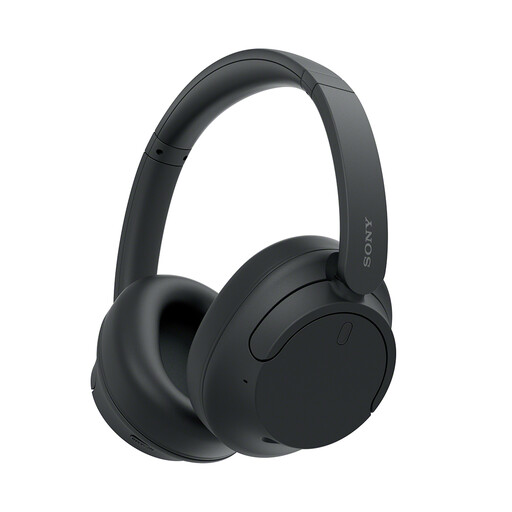 Image unavailable
Sony WH-CH720N Noise-Cancelling Over-Ear Headphones (Black)
Consider these if surrounding sound is your main obstacle to hearing quiet passages. The product is identified as an over-ear noise-cancelling model; check its connection options and fit against your usual listening setup.
View on Joybuy
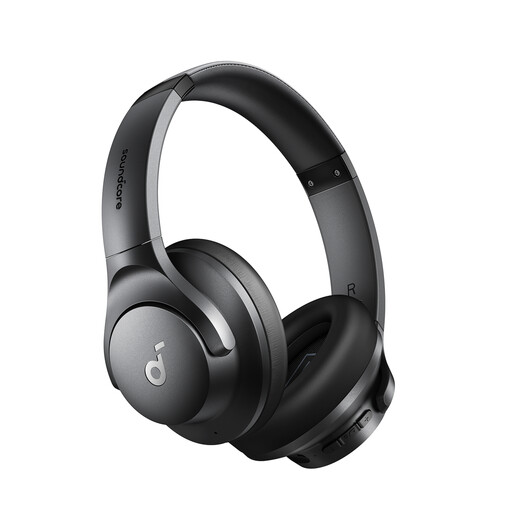 Image unavailable
soundcore Q21i Over-Ear Noise-Cancelling Wireless Headphones (Black)
The wireless, noise-cancelling design is relevant if ambient sound interrupts your listening. Assess comfort and sound character with familiar recordings rather than assuming noise cancellation determines how stereo ambience will sound.
View on Joybuy
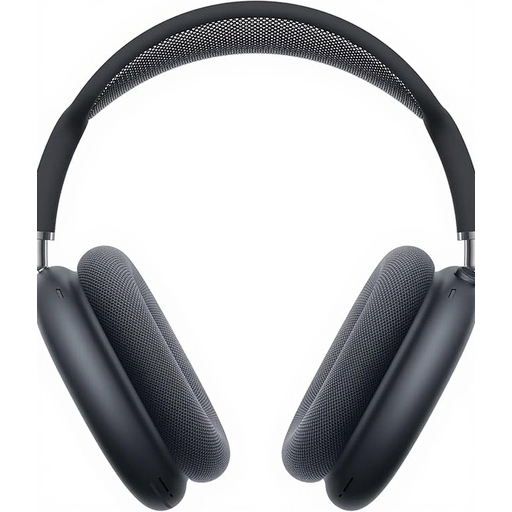 Image unavailable
Apple AirPods Max (USB-C, Midnight)
Consider this wireless model when outside noise interferes with listening. Confirm compatibility with your playback device and compare its sound settings using a familiar nature recording.
View on Joybuy
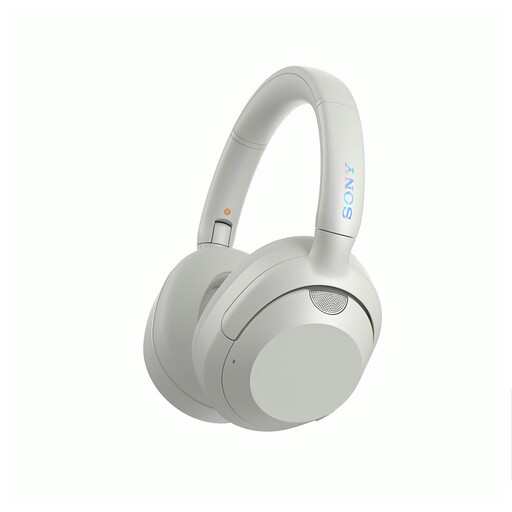 Image unavailable
Sony WH-ULT900N ULT Wear Noise-Cancelling Over-Ear Headphones (Off-White)
This noise-cancelling over-ear model is an option to examine when ambient sound is the main concern. If you listen for long periods away from a charger, confirm its runtime and charging arrangements before choosing it.
View on Joybuy
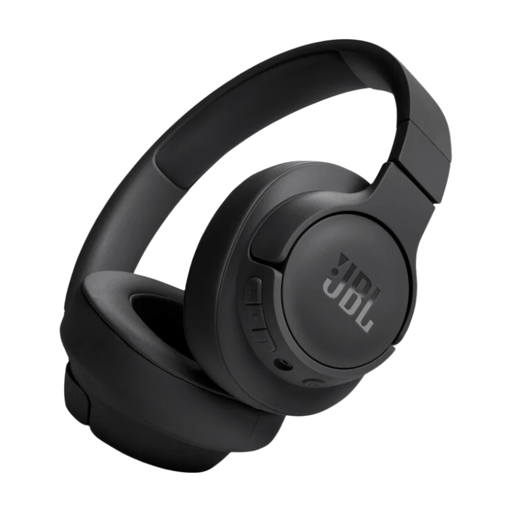 Image unavailable
JBL Tune 720BT Wireless Over-Ear Headphones (Black)
Consider this wireless over-ear model if convenient personal listening matters more than choosing an open-back setup. If persistent background noise masks quiet recordings, check whether its isolation meets your needs rather than assuming it offers ANC.
View on Joybuy
Common questions
Are open-back or ANC headphones better for nature recordings?
Choose according to your listening space: open-back headphones suit a quiet private room, while closed headphones with ANC are worth considering when outside noise masks soft sounds. Open-back models leak playback and provide little isolation, so they may be impractical around other people.
Will wired open-back headphones work well from my phone?
Check the exact headphone and phone rather than assuming they will be a suitable match. Sennheiser specifies the HD 600 at 300 Ω, and RTINGS advises using a capable output or dedicated amplifier with that model; requirements for other headphones can differ.
How should I care for open-back headphones?
Follow the cleaning instructions for your exact model and take care around exposed components. Sennheiser advises against touching delicate exposed elements on its open-back units; if you plan to keep a pair for years, check replacement-pad compatibility for that model too.
What if I keep turning up quiet recordings to hear the detail?
If background sound is causing you to raise the volume, address the surroundings rather than relying on a louder setting. Listen in a quieter place or consider isolation or ANC; Royal Free London NHS Foundation Trust notes that noise cancellation can help reduce the urge to turn the volume up.


