What matters when choosing?
Start with your primary task, then check the connection, fit and surrounding-sound awareness it requires. ANC for listening, a microphone for spoken work and hearing protection for a genuine noise-risk activity address different needs.
| Concern |
What to check |
Who this matters to |
| Distraction during independent study |
Compare ANC, fit over your intended study period and a way to hear your surroundings when necessary. |
If nearby noise interrupts reading or recorded lectures, I want sustained listening without losing track of important sounds around me. Around 40% of consumers would put focused listening first. |
| Voice-based coursework |
Check microphone positioning and whether the connection works with your device and coursework platform. |
When tutorials or dictation are a regular part of my work, I need my speech captured reliably, not just quieter audio in my ears. Around 30% of consumers would make their voice workflow the primary concern. |
| Study across locations |
Consider earbud fit and the manufacturer's stated call time, rather than listening time alone. |
If I move between study locations, carrying and wearing the headphones comfortably matters more to me than a desk-based format. Roughly 20% of consumers would prioritise portability. |
| Hearing-protection requirements |
Follow the activity's safety arrangements; check the required protection and whether you must hear warnings or communicate. |
For an activity with a genuine noise risk, I need protection suited to that environment while remaining aware of necessary signals. Around 10% of consumers would place this requirement first. |
Sony's stated battery figures illustrate why the task matters: for WF-1000XM6 earbuds, the stated maximum with ANC on is 8 hours for music playback but 5 hours for continuous communication. Neither figure establishes how long a different model will last during your calls.
Relevant brands to consider
These brands illustrate different product routes, not a ranking. Compare the particular model and connection you would use for study.
Sony
Sony has both over-ear and in-ear ANC models relevant to listening-focused study.
- Sony lists ambient-sound features for the WH-1000XM6 and WF-1000XM6; its stated maximum ANC-on communication times are 24 hours and 5 hours respectively.
- Those manufacturer figures describe different models and conditions. Check fit and the call requirements of the model you are considering.
Bose
Bose QuietComfort Headphones are an over-ear ANC option for students who want to switch between quieter listening and surrounding sound.
- Bose describes Quiet and Aware modes and a built-in microphone.
- Those features do not establish how the headphones will perform in your study space or with your coursework platform.
Logitech
The H390 is a computer-first wired headset to consider when tutorials, calls or dictation drive the purchase.
- Logitech specifies USB-A, inline controls, a 1.9 m cable and a rotatable boom microphone.
- Check for a usable USB-A connection or compatible adapter; the H390 is not presented as an ANC listening headset.
Apple
AirPods Pro 3 are an in-ear ANC option when portability and microphone features matter.
- Apple lists ANC, Transparency mode and dual beamforming microphones for AirPods Pro 3.
- Check ear-tip fit and compatibility with the devices and coursework platform you will actually use.
3M
3M is relevant to the separate hearing-protection route where an activity calls for it.
- 3M describes passive ear defenders that reduce sound by mechanically blocking it and also offers communication headsets for high-noise environments.
- Choose protection according to the actual noise environment and safety arrangements, not as a general replacement for study-audio headphones.
Joybuy products for study
These choices cover over-ear noise-cancelling headphones, in-ear earbuds and a wired headset for listening or calls during study. Match each product to your main task; ordinary audio headphones here should not be treated as hearing protection.
 No image available
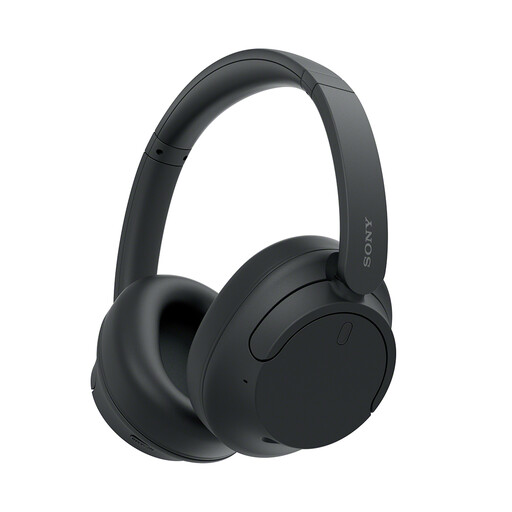
Sony WH-CH720N Noise-Cancelling Over-Ear Headphones (Black)
Consider this over-ear option if listening during desk-based study is your main task.
If tutorials also matter, check its connection and microphone with your study device and coursework platform before relying on it.
View on Joybuy
 No image available
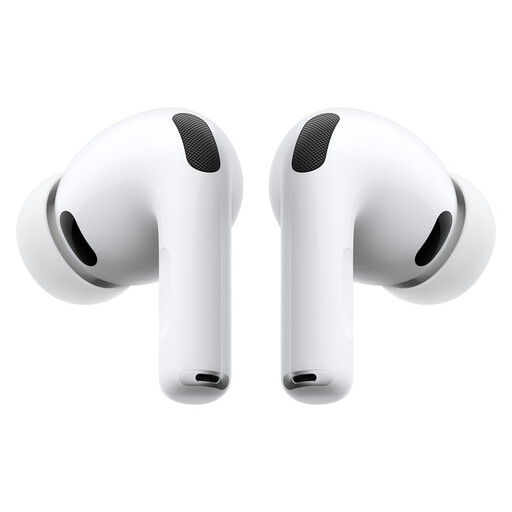
Apple AirPods Pro 3
Consider these earbuds if you want a compact listening option while moving between study locations.
Apple lists ANC, Transparency mode, dual beamforming microphones and up to 8 hours of ANC-on listening. Check fit, device compatibility and call suitability separately.
View on Joybuy
 No image available
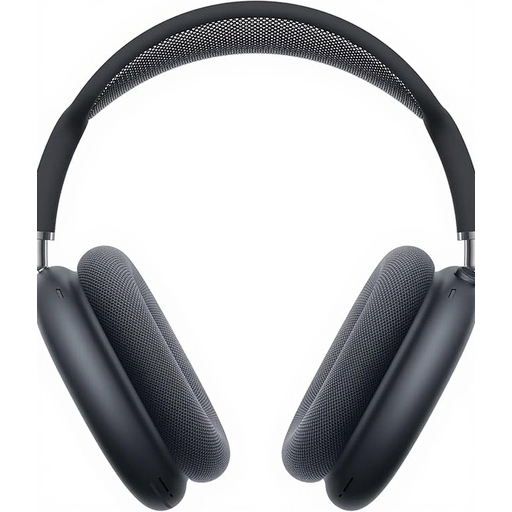
Apple AirPods Max (USB-C, Midnight)
If you prefer an over-ear format for study, assess this USB-C variant against your usual session length and devices.
Check the listening and call features you need with your actual setup rather than assuming compatibility from the connector name.
View on Joybuy
 No image available
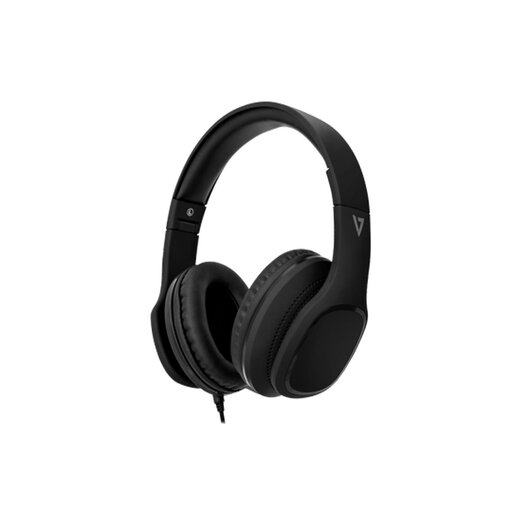
V7 HA701-3EP Wired Over-Ear Headphones with Inline MEMS Microphone
Consider this wired option when you need headphones with an inline microphone for desk-based listening and calls.
The title specifies 40 mm drivers and passive noise isolation, not active noise cancellation or hearing protection. Confirm that the headphone and microphone connection works with your device and coursework platform.
View on Joybuy
 No image available
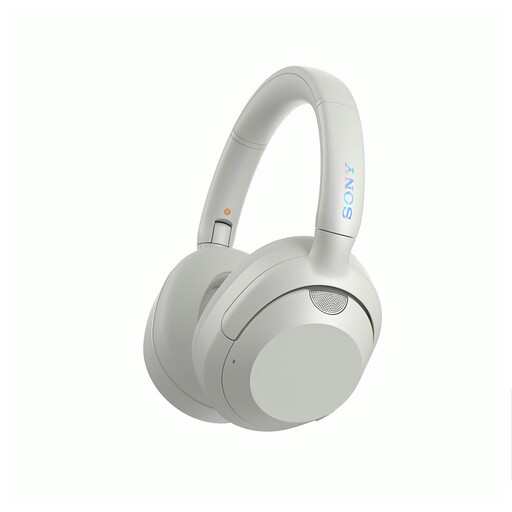
Sony WH-ULT900N ULT Wear Noise-Cancelling Over-Ear Headphones (Off-White)
Consider this over-ear model when noise-cancelling listening is more important to you than a compact earbud format.
For longer sessions or voice coursework, check the battery and microphone details that apply to your intended connection and device.
View on Joybuy
Questions students ask
Are ANC headphones the same as passive ear defenders?
No. ANC headphones are audio products, while passive ear defenders mechanically reduce sound for a hearing-protection purpose. For a noise-risk activity, follow its safety arrangements; the Health and Safety Executive warns that overprotection can make communication and warning signals harder to hear.
What should I check for voice typing or spoken coursework?
Check that the microphone works with your device and coursework platform, then try it before a session you depend on. Microsoft says Windows voice typing needs a working microphone and internet connection. If you choose a USB-A headset such as the Logitech H390, confirm that your computer has the required port or a compatible adapter.
Can Disabled Students' Allowance provide headphones?
Do not assume that a particular pair will be provided. GOV.UK says support in England depends on individual needs and involves a needs assessment. Ask your institution's disability adviser and the authority for where you ordinarily reside which process applies before choosing equipment on that basis.
Is disability-related student support arranged the same way across the UK?
No. GOV.UK describes England's Disabled Students' Allowance process; GOV.WALES describes Disabled Students' Grants based on individual support needs; the Student Awards Agency Scotland has a separate allowance process; and Student Finance Northern Ireland says arrangements may differ between nations. Follow the guidance for where you ordinarily reside rather than applying another nation's process.


