Start with a well-fitting closed-back or sealed in-ear design and keep the narration at the lowest comfortable volume. An open-backed design can leak sound to someone nearby, while active noise cancellation may help you hear speech over background noise but does not establish how much sound reaches your room-mate. Check comfort, guide-device compatibility and, for in-ear products, the seller’s change-of-mind return terms before buying.
Who needs which features?
Privacy-first shared-room listeners
If someone is sleeping or reading nearby, focus on keeping speech intelligible at a restrained volume without making them listen too. Which? notes that open-backed headphones can leak sound into their surroundings; check the leakage of the particular closed or sealed model you are considering.
Comfort-first long-session listeners
If you plan to wear headphones for a whole guide session or while reclining, consider earcup pressure, headband fit or ear-tip fit. Listed weight can help you compare over-ear models, but it cannot tell you how a particular pair will feel.
Connection-flexibility listeners
If you switch guide devices or sometimes need a cable, check the device’s audio output and the headphones’ exact input, supplied cable and passive wired capability. Bluetooth support alone does not establish a wired fallback.
What matters when choosing?
For a shared-bedroom guide, settle the privacy and listening-volume question first, then choose a fit you can tolerate for the session and a connection that works with your guide device.
| Concern |
What to check |
Who this matters to |
| Private, low-volume listening |
Check for closed-back or sealing in-ear construction and look for model-specific leakage testing. Try speech at the lowest comfortable volume. |
If my room-mate is resting nearby, I need to follow the narration without making it audible across the room. Around 50% of consumers put that privacy and intelligibility need first. |
| Comfort for the full session |
Consider headband and cushion pressure when reclining, or ear-tip fit for in-ear models. Check the seller’s opened-item policy before trying earbuds. |
When a guide runs for a while, I need a fit I can keep wearing rather than headphones I take off halfway through. For around 30% of consumers, lasting comfort is the primary concern. |
| Guide-device connection |
Match the guide device’s output to the headphones’ Bluetooth or wired capability; confirm the connector, supplied cable and passive operation if needed. |
If I use more than one guide device, I need the audio to work without relying on a connection the source cannot provide. Connection flexibility comes first for around 20% of consumers. |
Buying mistakes to avoid
-
Assuming noise cancellation keeps the guide private
Active noise cancellation reduces noise reaching the listener; it does not measure how much narration escapes to a room-mate.
Start with a closed-back or well-sealed design, use a restrained playback level and seek independent leakage results for the exact model if privacy is critical.
-
Choosing an open-backed design without considering leakage
Which? identifies outward sound leakage as a characteristic of open-backed headphones, which conflicts with listening beside someone who is resting.
Choose an open design when hearing the room matters more than keeping the guide private; otherwise, consider closed over-ear or sealed in-ear headphones.
-
Opening earbuds before checking fit and returns
Ear-tip fit varies between listeners. Which? notes that some retailers exclude opened in-ear headphones from change-of-mind refunds.
Check the included tip sizes and the specific seller’s opened-item policy before breaking the seal. A change-of-mind policy is separate from remedies for faulty goods.
-
Assuming wireless headphones will also work by cable
Bluetooth capability does not establish the headphone connector, whether a cable is supplied or whether wired playback works without power.
Check the guide device’s output against the exact headphone input and cable arrangement before choosing a wired fallback.
An incompatible connector may mean carrying an adapter or obtaining a cable with the correct headphone-side plug.
Relevant headphone brands
These model-specific examples show features worth checking; a brand name alone does not establish comfort or low leakage in a shared bedroom.
Sony
The WH-CH720N is a closed over-ear option to consider when both Bluetooth and a wired fallback matter.
- Sony specifies approximately 192 g, a stereo mini-jack input, passive operation and up to 35 hours of battery life with noise cancellation on for the WH-CH720N.
- Those specifications do not establish how audible the WH-CH720N will be to a nearby room-mate; check leakage for this model separately.
JBL
The Tune 770NC is a distinct over-ear model for listeners considering noise cancellation, folding portability and multipoint Bluetooth.
- JBL lists a foldable design, multipoint connection and up to 70 hours of battery life with noise cancellation off for the Tune 770NC.
- JBL’s listed features are not a measurement of comfort or outward leakage in a shared bedroom. They must not be assumed to apply to the Tune 720BT shown below.
Bose
The QuietComfort Headphones are an around-ear option to consider when noise-cancelling modes and a supplied audio cable matter.
- Bose specifies Quiet and Aware modes, up to 24 hours of battery life and a supplied 3.5 mm-to-2.5 mm audio cable for the QuietComfort Headphones.
- The headphone-side 2.5 mm connector makes cable compatibility worth checking. Bose’s specifications do not establish outward leakage for this room-sharing use.
Joybuy headphones for guide listening
These over-ear choices cover wireless listening, wired listening or a model offering both. Match the connection to your guide device, and check fit and audible leakage for the particular pair before relying on it beside a room-mate.
 Image unavailable
Sony WH-CH720N Noise-Cancelling Over-Ear Headphones (White)
Consider this model if you want closed over-ear construction and a wired option for a compatible guide device. Sony specifies approximately 192 g, a stereo mini-jack input and passive operation for the WH-CH720N. Closed construction and noise cancellation do not establish how much guide audio someone nearby will hear.
View on Joybuy
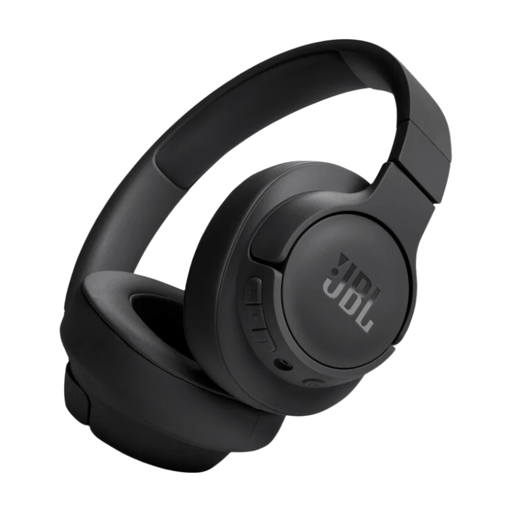 Image unavailable
JBL Tune 720BT Wireless Over-Ear Headphones (Black)
Consider these for an audio guide played from a Bluetooth-capable source. Check fit and outward leakage for the Tune 720BT itself, and confirm any wired connection you need rather than relying on specifications for the different Tune 770NC model.
View on Joybuy
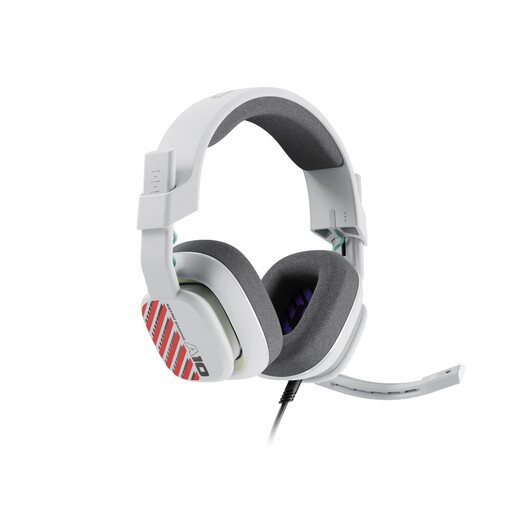 Image unavailable
LOGITECH ASTRO A10 Gen 2 Wired Gaming Headset (White)
Consider a wired headset if your guide device has a compatible audio output and you do not need Bluetooth. Check the exact plug and socket arrangement; the gaming-headset format includes a microphone you may not need for narration.
View on Joybuy
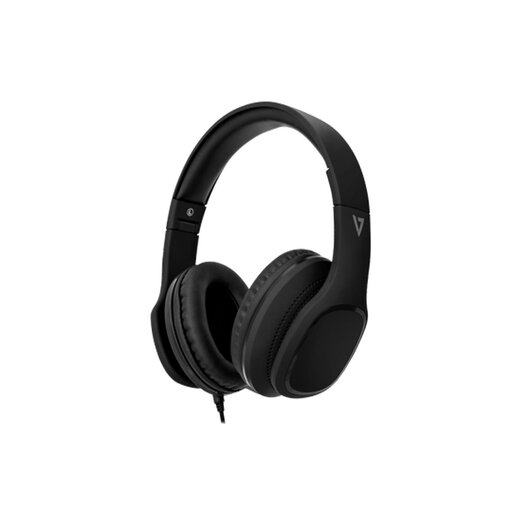 Image unavailable
V7 HA701-3EP Wired Over-Ear Headphones
Consider these if you want wired over-ear listening and can confirm a compatible connection to the guide device. The product name specifies 40 mm drivers and an in-line MEMS microphone. Check fit over a full session and do not treat passive-noise-cancellation wording as a leakage measurement.
View on Joybuy
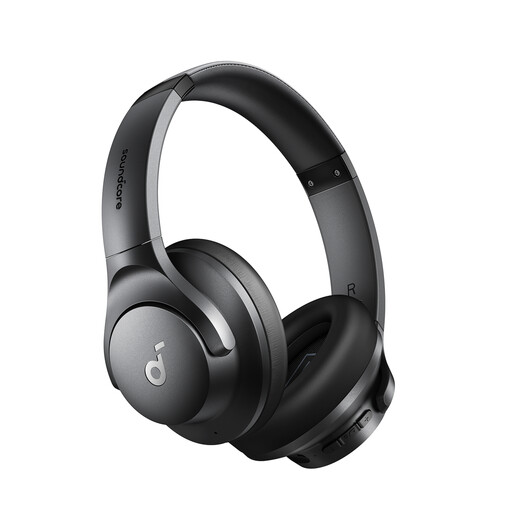 Image unavailable
soundcore Q21i Noise-Cancelling Wireless Over-Ear Headphones (Black)
Consider these for a compatible wireless guide source when background noise makes speech harder to follow. Noise cancellation does not establish low outward leakage; check the fit and confirm cable inclusion and wired compatibility separately if you need that fallback.
View on Joybuy
Questions about shared-room listening
Will noise cancellation stop my room-mate hearing the guide?
No: noise cancellation does not establish a headphone’s outward sound leakage. It may help you follow speech without turning it up when there is background noise; check closed or sealed construction and model-specific leakage information separately.
How loud should spoken guide audio be?
Start at the lowest level at which you can comfortably understand the narration. The World Health Organization advises using well-fitted, noise-cancelling headphones to reduce the need to raise volume in noisy surroundings; in a quiet shared bedroom, avoid turning speech up to overcome a poor fit.
Is Bluetooth enough for a walking-guide device?
Bluetooth is enough only if the guide device supports Bluetooth audio and you are comfortable relying on it. If you need a cable, match the device’s output to the headphone input and check passive wired operation; Sony specifies a stereo mini-jack input and passive operation for the WH-CH720N, but that does not apply to every wireless model.
Can I return earbuds if the tips do not fit?
For a change-of-mind return, check the particular seller’s policy before opening them. Which? notes that some retailer policies exclude opened in-ear headphones; this is distinct from remedies that may apply if goods are faulty, damaged or misdescribed.


