Students studying in shared homes
If conversation or household activity interrupts reading and coursework, compare noise control and comfort for the length of a study session. A way to hear housemates or alarms may matter as much as isolation.


For concentrated work in a noisy shared space, consider over-ear noise-cancelling headphones if you find them comfortable for long sessions, or in-ear noise-cancelling earbuds if portability matters more and the fit is secure. A wired headset is worth considering when computer calls are the main task; choose an open design when hearing people and sounds around you matters more than isolation. Check microphone performance and device compatibility on the exact model rather than relying on its headphone type alone.
If conversation or household activity interrupts reading and coursework, compare noise control and comfort for the length of a study session. A way to hear housemates or alarms may matter as much as isolation.
For a day split between desk work and meetings, assess the microphone in your usual room and meeting app. Check the computer connection and, if you use a phone too, whether the exact wireless model supports two-device use.
If colleagues, housemates or a doorbell need your attention, an open design or a suitable ambient-sound mode may serve you better than keeping noise cancellation on throughout the day.
Start with the sound you need to hear or reduce, then consider where calls happen and how long you will wear the headphones. These checks help distinguish over-ear ANC, in-ear ANC, wired headsets and open designs without treating any one route as suitable for every shared space.
| Priority | What to check | Your needs |
|---|---|---|
| Distracting sound | Compare noise-control results for the exact model where independent testing is available. Check fit or earcup comfort and whether an ambient-sound mode is provided; Which? reports that noise-cancelling performance varies between models. | Conversation interrupts my reading or individual work, but I may still need to hear someone nearby. |
| Calls at a desk | Check the microphone arrangement, computer connector and meeting-app compatibility. A wired headset avoids Bluetooth pairing and charging for calls made mainly on one computer, but limits movement. | I take frequent laptop calls and need a connection that suits my desk setup, not just headphones advertised for quiet listening. |
| Fit and portability | Check whether in-ear tips fit securely and remain comfortable, or whether full-size earcups suit longer wear. Apple says ANC and Transparency on supported AirPods models work best with a good fit. | I move between rooms or take headphones out with me, so carrying size and comfort both affect my choice. |
| Awareness | Look for an open design or a model-specific transparency or ambient mode. Open designs let surrounding sound in, so they will not serve the same isolation need as closed headphones. | I want to hear questions, a doorbell or other nearby sounds while listening. |
| Two-device use | Confirm that the exact headphones support simultaneous multipoint connections, then check the phone, computer and app requirements. Google’s Android multipoint setup guidance specifies Android 8 or later with Google Play services. | I switch between laptop audio and phone calls and want to know how that switch works with my devices. |
Noise-cancelling performance varies by model, according to Which?; an ANC label also tells you little about microphone performance or long-session comfort.
Choose the design around your main task, consult exact-model testing where available, and try calls in the room and meeting app you use.
Apple says ANC and Transparency on supported AirPods models work best when the earbuds fit well. A loose or uncomfortable fit can undermine the reason for choosing an in-ear design.
Check the supplied fit options and the retailer’s terms before opening the product. Consider another design if prolonged in-ear wear does not suit you.
A Bluetooth connection alone does not establish that headphones can stay connected to a laptop and phone at once.
Check the exact model’s multipoint specification and the setup requirements for both devices; distinguish simultaneous connections from a list of previously paired devices.
Headphones chosen for concentration or calls do not replace the management of workplace noise risks described by the Health and Safety Executive.
Raise a workplace noise concern through your employer’s health-and-safety process rather than relying on a consumer headset as protective equipment.
These examples show features to check on particular product lines; a brand name alone does not establish comfort, call quality or availability for your setup.
Sony has closed over-ear and in-ear ANC models as well as the awareness-oriented LinkBuds Open.
Bose QuietComfort Ultra is an over-ear ANC reference for comparing selectable noise-control modes.
The Evolve2 40 SE line is a reference for desk-based wired headset use rather than wireless ANC.
The ACCENTUM lines offer over-ear ANC options to consider alongside fit and device needs.
These options cover noise-cancelling headphones and earbuds, an open-ear design, and wired choices for desk listening or calls. Match the connection, fit and level of awareness to your own shared space.
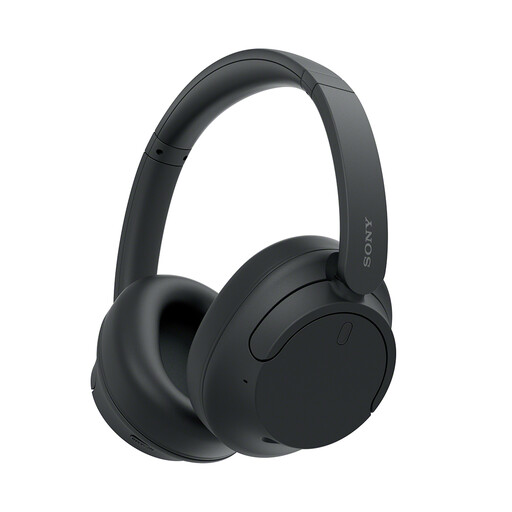 No image available
An over-ear ANC option for individual listening when shared-space noise is the main concern. Check exact-model noise-control and microphone results, and confirm how it connects to your intended devices.
 No image available
The open-ear clip design suits listening while remaining aware of people nearby; it also lets distracting conversation in. The product name specifies Bluetooth 5.4. Check fit and microphone performance for your calls.
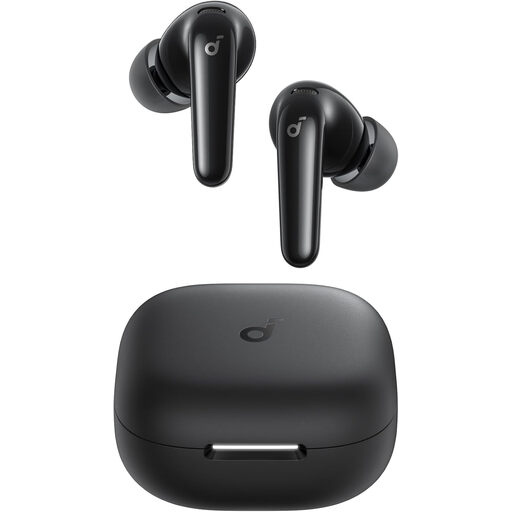 No image available
An in-ear ANC option if you want to carry your headphones between study or work locations. Check the available fit options and whether the exact model’s noise control and microphone suit your setting.
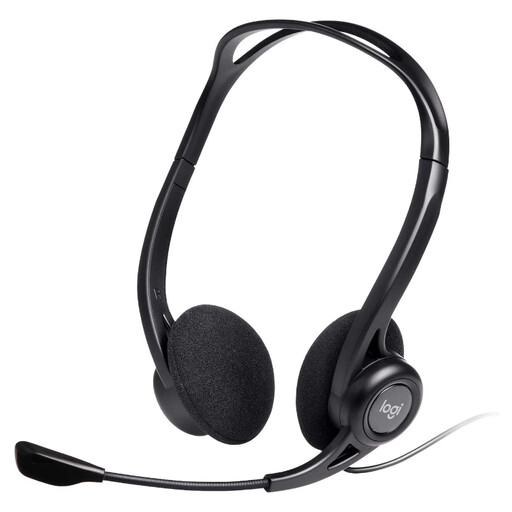 No image available
A wired headset to consider when computer calls take priority over wireless movement. Its name lists an inline remote and noise-cancelling microphone; check the USB connector against your computer and assess calls in your meeting app.
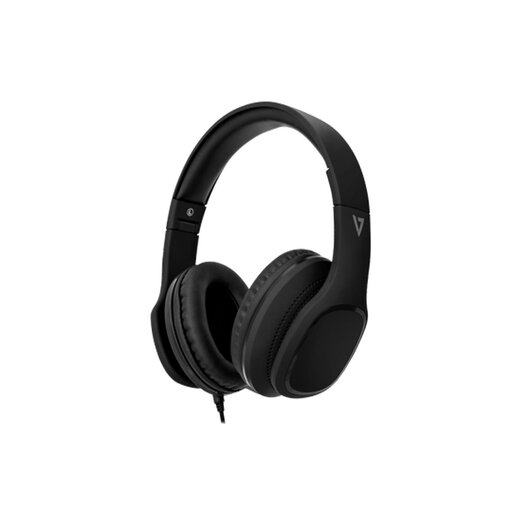 No image available
A wired over-ear option with passive isolation, 40 mm drivers and an inline MEMS microphone, as stated in its product name. Passive isolation is not active noise cancellation; check the audio connector and microphone suitability for your device and calls.
No. Multipoint allows compatible headphones to connect to two Bluetooth devices, but switching behaviour depends on the headphones and devices. Google’s Android setup guidance requires Android 8 or later with Google Play services and notes that you may need to stop audio on one device before starting it on the other.
Choose a transparency or ambient mode if you sometimes need to hear nearby sounds while using a supported ANC model; consider an open design if awareness is a continuing need. Apple says Transparency lets outside sound in, while Sony describes LinkBuds Open as keeping the wearer connected to their surroundings. An open design also lets distracting conversation through.
No. Choose consumer headphones for listening and communication, not as a substitute for workplace noise controls or assessed protective equipment. The Health and Safety Executive’s workplace guidance addresses managing noise risks; raise a work-related concern through your employer’s health-and-safety process.
A microphone description alone does not establish how your voice will sound in a particular room or meeting app. Check the exact headset and connector for your computer, then assess calls in the setup you use; a wired headset is an option when calls mainly happen at one desk.
Keep your order details and contact the seller about the problem. GOV.UK says sellers cannot restrict or remove customers’ consumer rights; a retailer’s change-of-mind or hygiene terms should not be treated as removing remedies for faulty or misdescribed goods.