What matters when choosing
Decide whether hearing musical detail, managing surrounding sound or switching devices is your main difficulty. Then check the connection and fit of any model you are considering; a feature name alone cannot tell you how a bass passage will sound to you.
| Concern |
What to check |
Who this matters to |
| Bass and instrument detail |
Consider a closed-back monitoring design and confirm that its connection fits your playback device. Try familiar passages at a restrained volume if you can. |
If I keep replaying a short phrase, I need to distinguish its notes and attacks from the rest of the mix; around 42% of consumers put that listening detail first. |
| Distraction and volume |
Assess over-ear fit and whether passive isolation is sufficient, or active noise cancelling would help in your usual space. |
Nearby sound can break my concentration, but I do not want to compensate by turning the music up; roughly 33% of consumers make distraction control their primary concern. |
| Switching devices |
Check the ports and wireless features you will use, plus whether the intended wired listening mode works with your source. |
Moving between a laptop session and a phone makes convenient connection changes important to me; about 25% of consumers prioritise that flexibility. |
Relevant brands to consider
These product lines illustrate different ways to approach library listening; the brand alone does not establish suitability for transcribing your recordings.
Audio-Technica
Its ATH-M40x and ATH-M50x are wired, monitoring-oriented over-ear options, while the ATH-M50xBT2 adds wireless use and an optional cable.
- Audio-Technica describes the ATH-M40x as closed-back and tuned for monitoring; the ATH-M50xBT2 supports multipoint pairing.
- A manufacturer’s tuning description does not establish transcription accuracy. Check the exact cable and connector needed for your setup.
Sony
The WH-1000XM6 represents a closed, over-ear wireless option for listeners whose surroundings make concentration difficult.
- Sony lists noise cancelling, a detachable 1.2 m cable and passive operation for the WH-1000XM6.
- Check which features require power and whether its cable and operating mode suit your playback device.
Bose
The QuietComfort Ultra Headphones (2nd Gen) are an over-ear option for those prioritising adjustable noise control and compatible USB-C audio.
- Bose lists adjustable active noise cancelling, a supplied 3.5 mm-to-2.5 mm cable and USB-C audio for compatible sources.
- Confirm that your source and files support the wired mode you want; wireless use also involves charging.
Sennheiser
The wired, closed-back HD 620S is another option to consider when you want to listen without wireless features.
- Sennheiser lists a 1.8 m cable with a 3.5 mm plug and a 6.3 mm adapter for the HD 620S.
- Check that your source is suitable for its specified 150-ohm design, as well as the connection you intend to use.
Joybuy headphones for this task
These choices include wired headphones and wireless noise-cancelling models for listening in a shared study space. Assess their fit, connection and performance with familiar bass passages before deciding which approach serves your transcription work.
 No image available
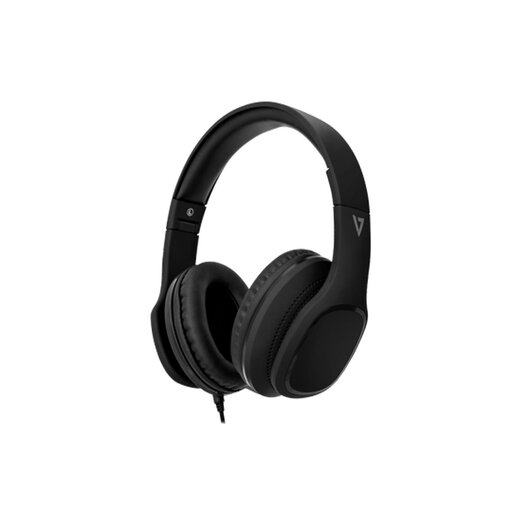
V7 HA701-3EP wired over-ear headphones, 40 mm drivers
Consider these if you want wired over-ear listening for a library session. The product name specifies 40 mm drivers and passive noise isolation; check the connection to your source and assess bass passages yourself rather than assuming a particular monitoring sound.
View on Joybuy
 No image available
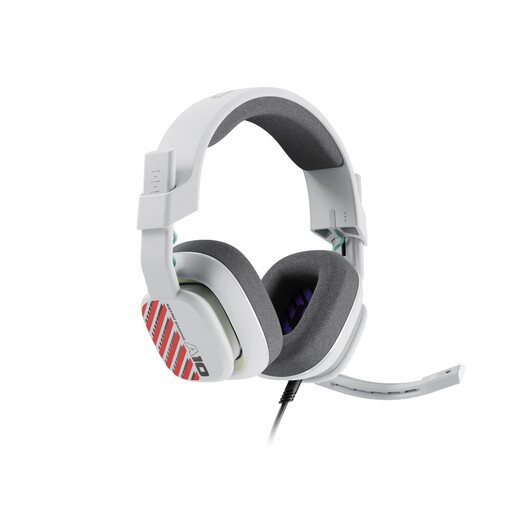
LOGITECH ASTRO A10 Gen 2 wired gaming headset, White
This wired headset may suit a compatible source if you also want a headset for other uses. Its gaming designation does not establish how easily it will let you identify bass notes; check the connector and assess fit and sound leakage for library use.
View on Joybuy
 No image available
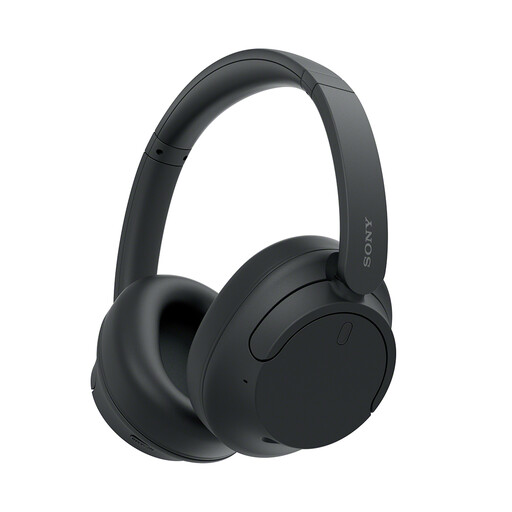
Sony WH-CH720N noise-cancelling over-ear headphones, Black
Consider this model when intermittent surrounding sound is the main obstacle to listening at a restrained volume. Its noise-cancelling over-ear design does not establish bass-transcription accuracy; check wired playback behaviour and device compatibility if you intend to use a cable.
View on Joybuy
 No image available
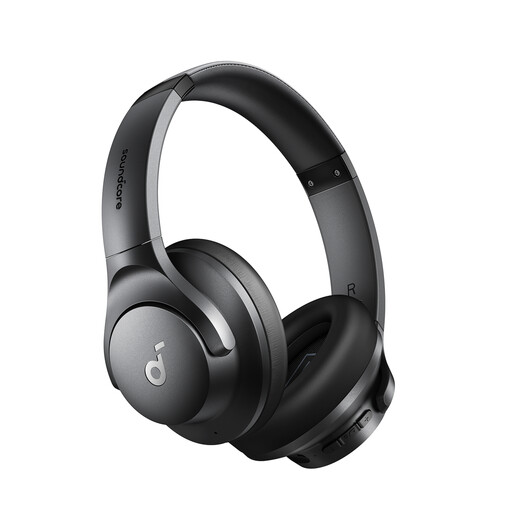
soundcore Q21i wireless noise-cancelling over-ear headphones, Black
This wireless over-ear model is worth considering if surrounding noise interrupts your library sessions. Confirm its cable connection and wired listening behaviour before relying on either for transcription; noise-cancelling or sound-adjustment features do not establish how accurately you will hear bass notes.
View on Joybuy
Frequently asked questions
Can I use open-back headphones in a quiet library?
Closed-back headphones are the more cautious choice when your playback must not disturb nearby readers. University of Reading, University of Nottingham Libraries and Birmingham City University Library set their own quiet-study or headphone-use expectations, so check the rules for your particular space rather than assuming one policy applies everywhere.
Do I need active noise cancelling to transcribe bass?
Not necessarily: consider it when surrounding noise repeatedly interrupts listening, rather than treating it as essential in an already quiet room. Sony and Bose list active noise cancelling for their cited models; a well-fitting wired closed-back monitor model is another route when direct connection and careful listening take priority.
Should I use a cable instead of Bluetooth?
Prioritise a cable if you want a direct connection to your laptop or audio interface, or do not want to manage wireless charging during a session. Confirm both connectors and the intended operating mode: Sony lists passive operation for the WH-1000XM6, Audio-Technica supplies a cable with the ATH-M50xBT2, and Bose limits its stated USB-C audio option to compatible sources and supported files.
How should I manage volume during repeated listening?
Keep playback at a restrained level and take breaks rather than turning it up to overcome background sound. The World Health Organization advises keeping volume down and using well-fitted or noise-cancelling headphones where surrounding noise would otherwise encourage louder listening.
What should I check about returns before buying?
Check the exact seller’s change-of-mind return terms before ordering, particularly if fit, ear-pad seal or device compatibility may affect your decision. A retailer’s voluntary return policy is separate from remedies that may apply to faulty, damaged or misdescribed goods.


