
24/7 全天候客户支持

免费退货

当日/次日达

品质保障

开启新人专享福利: 全场免邮 | 低至 2 折 | 免费试用 30 天 JoyPlus 会员
下载 Joybuy
Choosing health and beauty products online can feel straightforward until marketing language, unclear serving sizes and incomplete ingredient information make products difficult to compare. Whether you are looking for beauty supplements, vitamin supplements, skincare or everyday wellness support, the product that looks most impressive is not always the easiest to use or the most suitable for your routine.
The following guide highlights common buying traps, explains the specifications worth checking and matches selected products to different shopping priorities.
A larger number on the front of a pack does not automatically make a product a sensible choice. Check whether the figure refers to the active ingredient, an extract equivalent or the total serving. For example, a supplement may state an extract equivalent in milligrams while providing a smaller amount of the actual concentrated ingredient.
For UK shoppers, also check the recommended daily intake, age restrictions and warnings. Food supplements should complement a balanced diet rather than replace it, and they are not intended to diagnose, treat or prevent disease.
Terms such as “clean”, “natural” and “advanced” are not substitutes for checking ingredients. A vegan capsule may still contain ingredients that do not suit your preferences, while a marine collagen product is unsuitable for people avoiding fish.
Look for declared allergens, capsule materials, sweeteners, fragrances and preservatives. If you take prescribed medication, are pregnant or breastfeeding, or have a medical condition, ask a healthcare professional before taking a supplement.
A hyaluronic acid serum is generally selected for moisture-focused care, whereas a vitamin C serum or dark spot serum is chosen for a brighter-looking, more even complexion. These products have different purposes and should be assessed by their ingredients, texture and directions rather than broad anti-ageing promises.
Patch testing is particularly sensible for sensitive skin. Introduce one new active product at a time and stop using it if persistent irritation develops.
Compare the active amount per daily serving, not simply the number printed on the front. Vita London Vitamin C & Zinc provides 100mg of vitamin C and 20mg of zinc per tablet, while the Applied Nutrition R-Alpha Lipoic Acid product provides 200mg of R-alpha lipoic acid per capsule. These are different ingredients for different shopping aims, so dose alone should not determine the choice.
For hair, skin and nails supplements, check whether the formula contains nutrients such as biotin, zinc, selenium or vitamin C, and note the relevant NRV where provided. For collagen supplements, confirm whether the source is marine or another type and check for fish allergens.
Vegans and vegetarians should check both the active ingredients and the capsule shell. HPMC or vegetable cellulose shells can be suitable for plant-based diets, but gelatine is animal-derived. Also check for gluten, wheat, soya, dairy and manufacturing-facility allergen statements.
The number of capsules per pack affects value. A 120-tablet pack taken once daily provides a different cost per day from a 60-capsule product taken twice daily. Calculate the cost per serving rather than comparing pack prices alone.
For serums, read the INCI list and consider the concentration, packaging and application instructions. Airless pumps or single-use ampoules can help limit repeated exposure to air, while darker or opaque packaging may be useful for light-sensitive formulas.
Apply hydration serum to clean, slightly damp skin when directed, then follow with moisturiser to help reduce moisture loss. During the day, use sunscreen as the final skincare step, particularly when using products aimed at uneven tone.
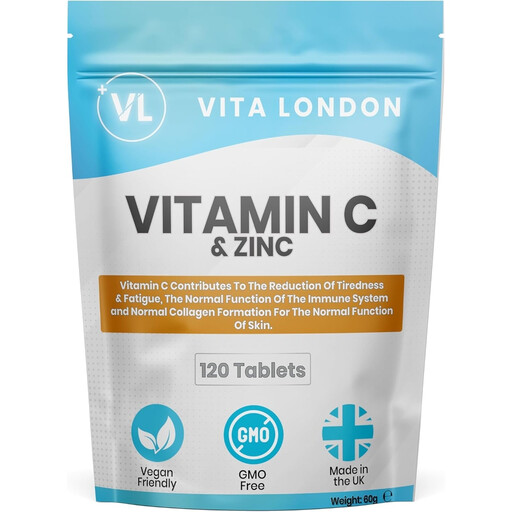
Why This Fits Their Persona: A simple one-tablet routine and 120-tablet pack suit adults who want a straightforward daily option without combining several separate vitamin supplements.
The listing states the amount per tablet, vegan suitability and exclusions including gluten, wheat, dairy and soya, making key comparison points easier to check.
100mg vitamin C and 20mg zinc per tablet; vegan formula manufactured in the UK according to the product information.
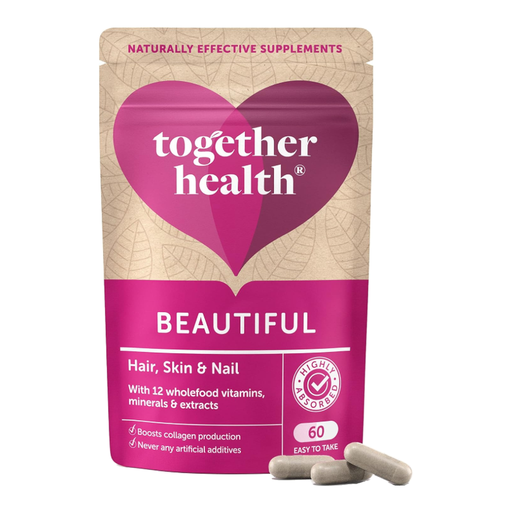
Why This Fits Their Persona: This suits shoppers seeking a broader whole-food-style beauty supplement with plant-based ingredients and several beauty-related nutrients in one formula.
The product information lists ingredient amounts, a two-capsule daily direction and allergen exclusions, rather than relying only on general beauty language.
Includes hyaluronic acid, silica, vitamin C, biotin, zinc and selenium; vegetable cellulose capsules are listed.
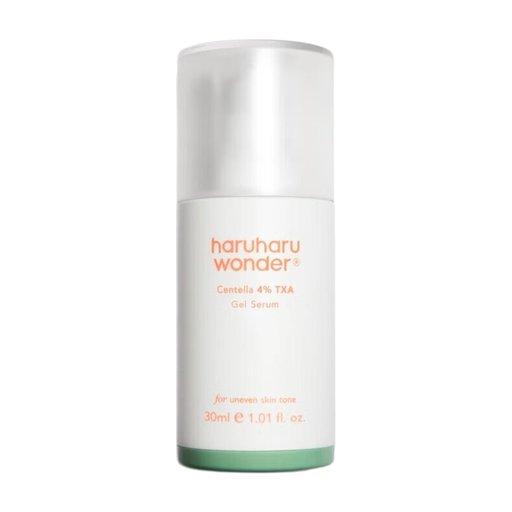
Why This Fits Their Persona: It is aimed at shoppers with a specific uneven-tone or dark-spot skincare goal who are prepared to follow a measured morning or evening routine.
Its listing identifies 4% tranexamic acid and 4% niacinamide, plus patch-testing guidance, so the intended use is clearer than a vague “glow” claim.
Contains centella-related ingredients; fragrance-free and presented in an airless pump according to the product information.
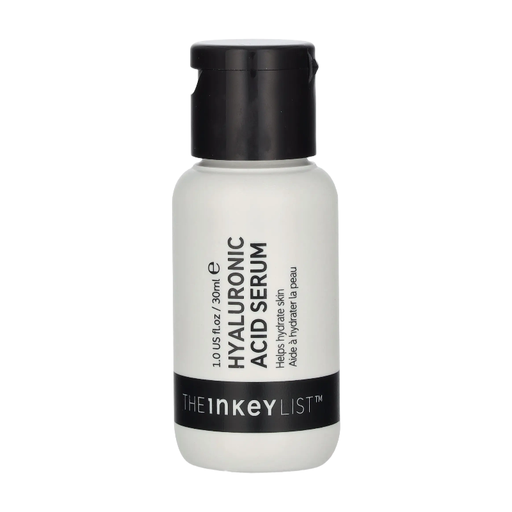
Why This Fits Their Persona: A lightweight, fragrance-free hydration serum can suit people who want a simple layer beneath moisturiser, including oily, combination or sensitive skin routines.
The product specifies a 2% multi-molecular hyaluronic acid formula and gives a pea-sized application direction, helping shoppers assess both concentration and usage.
Vegan, fragrance-free and paraben-free according to the listing; contains hyaluronic acid and peptide ingredients.
Calculate the price per daily serving or month, then factor in the recommended dose, delivery costs and how often you expect to repurchase. A larger pack may offer convenience, but only if the ingredients and dosage suit your routine.
They serve different purposes and should not be treated as interchangeable. Check overlapping nutrients when combining beauty supplements, vitamin supplements and antioxidant supplements. For skincare, introduce active serums gradually and patch test new formulas.
No. Vegan describes the source of the ingredients or capsule shell, not personal suitability. Review the full ingredient list, dose, warnings and possible medication interactions. Keep supplements away from children and follow the product label.