
24/7 Customer Support

Free returns

Same-day & Next-day Delivery

Quality Guaranteed

Unlock Your Welcome Offers: FREE Delivery | Up to 80% OFF | Free 30-day JoyPlus trial
Download the APP
Choosing health supplements can feel more complicated than it should. Shelves and online listings are crowded with multivitamins, probiotic supplements, meal replacement shakes, super greens powder, vitamin gummies and immune support supplements, often using impressive-sounding language that does not tell you whether a product suits your routine.
The practical approach is to ignore vague promises and compare the details that affect safety, value and everyday usability.
Words such as “complete”, “advanced” or “maximum strength” do not automatically make a supplement suitable for you. A product may contain many ingredients but provide little of a nutrient you actually need. Check the amount per serving, recommended daily intake and percentage of the UK Nutrient Reference Value (NRV) where shown.
A multivitamin may also overlap with other daily wellness supplements. Taking several products containing vitamin A, D, iron, zinc or selenium can increase total intake unnecessarily.
Vitamin gummies and chocolate-style probiotic supplements are easy to take, but they may contain sugar, sweeteners, gelatine, milk, soya or sulphites. Children’s vitamins also have age-specific serving instructions and should not be treated like ordinary sweets.
Similarly, meal replacement shakes are not simply protein powders. They should be used according to the product directions and as part of a varied diet, rather than as the sole source of nutrition.
Some products are straightforward to store in a cupboard, while others need refrigeration after opening. Live probiotic supplements may be affected by heat, freezing or incorrect storage. Powders can also require a shaker, measured scoop or a specific liquid to deliver the stated nutritional profile.
Before purchasing, consider whether the routine is realistic for your home, commute or gym bag.
Start with the use case rather than the trend:
UK food labels should identify relevant allergens, but formulations can change. Products in this selection include ingredients such as milk, soya, fish, barley, almonds and sulphites. Vegan and vegetarian suitability also varies: a product may use plant-based ingredients but still be manufactured around other allergens.
Always check the packaging supplied with your order, particularly if you have an allergy, follow a vegan diet or are buying for a child.
Follow the stated dose and do not assume that more capsules or gummies provide greater value. Check whether the product is intended for adults, teenagers or children, and whether pregnancy, breastfeeding, medication or a medical condition requires professional advice.
For supplements containing iron, vitamin K, fish oil or botanical extracts, speak to a qualified healthcare professional if you take prescription medicines. Food supplements should complement a balanced diet, not replace medical care.
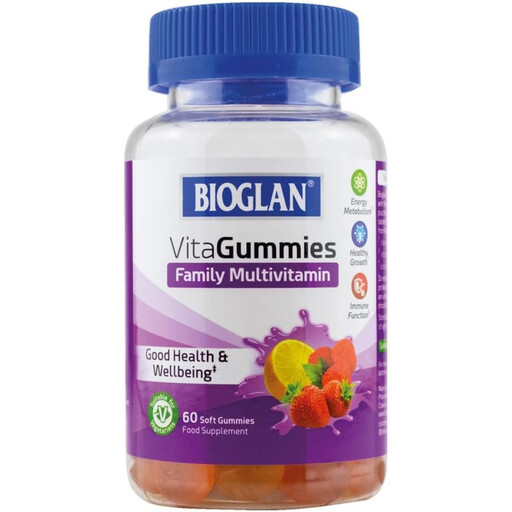
Why This Fits Their Persona: The age-based format is designed for adults and children aged 4 and above, making it a practical option for households wanting one easy-to-take gummy format.
The listing provides separate serving guidance for children aged 4 to 12 and users over 12, rather than leaving dosage open to guesswork.
Contains vitamins D3, C, E, B vitamins, folic acid, biotin and iodine; fruit flavours provide a chewable alternative to tablets.
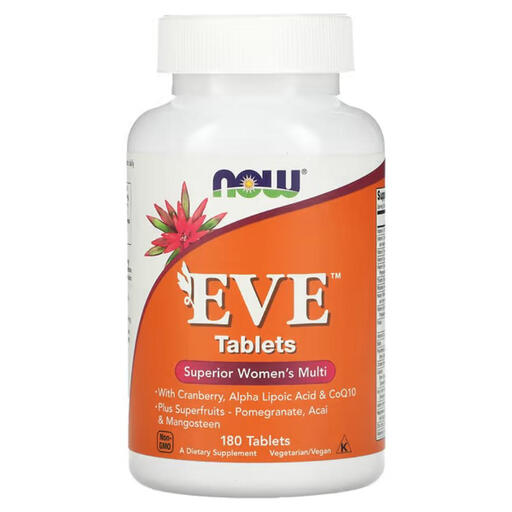
Why This Fits Their Persona: Adult women wanting a detailed formula may prefer a tablet providing a broad range of vitamins, minerals and additional botanical ingredients.
Its serving information states two tablets daily with food, helping shoppers compare the actual daily routine instead of judging only by the 180-tablet count.
Includes vitamins A, C, D3, E, K1, B vitamins, zinc and selenium, plus cranberry, green tea extract, CoQ10 and lycopene.
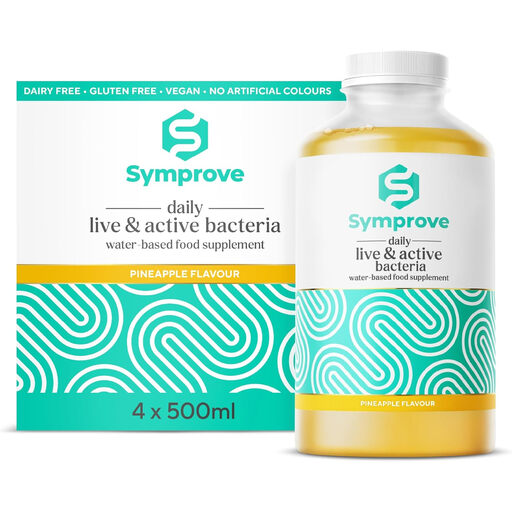
Why This Fits Their Persona: Shoppers specifically seeking a daily probiotic supplement may value a ready-measured 70ml serving and a four-week pack.
The instructions clearly specify 70ml each morning, ten minutes before eating or drinking, and refrigeration after opening.
Provides at least 10 billion CFUs per 70ml shot; the formula is described as vegan, dairy free and gluten free, while the label also identifies barley as an ingredient.
Check the intended age group, serving size, ingredient list, allergens, storage instructions and warnings. Compare the amount per daily serving rather than relying on the number of tablets, capsules or gummies in the pack.
Do not assume that combining multivitamins, immune support supplements, omega-3 supplements or stress support supplements is automatically suitable. Overlapping nutrients and botanical ingredients can increase total intake or interact with medicines. Review the labels and ask a pharmacist or healthcare professional when uncertain.
This depends on the product. Follow the packaging rather than assuming it will last until the printed best-before date. For example, some liquid probiotic supplements require refrigeration and use within a specified period after opening, while powders and gummies generally need a cool, dry place with the container resealed.