
24/7 Customer Support

Free returns

Same-day & Next-day Delivery

Quality Guaranteed

Unlock Your Welcome Offers: FREE Delivery | Up to 80% OFF | Free 30-day JoyPlus trial
Download the APP
Buying health supplements in the UK can seem straightforward until you compare ingredient forms, serving sizes, dietary suitability and safety warnings. A low-priced bottle may offer less value than expected, while a long ingredient list does not automatically mean a better fit.
This guide highlights common purchasing traps and practical checks for choosing vitamin supplements, vegan supplements, immune support supplements and digestive health supplements online.
A large number on the front of a pack may refer to the weight of a whole extract rather than its active compounds. For example, turmeric products may list root extract weight alongside a percentage of curcuminoids. Probiotic capsules may advertise a high CFU count without making clear whether it applies at manufacture or until the stated expiry date.
Always check:
“Natural” does not necessarily mean vegan, gluten-free or allergen-free. Gelatin capsules may not suit vegetarians, while some multivitamins contain soya, fish, dairy or beeswax-derived ingredients. A product can also be vegan but manufactured in a facility handling other allergens.
Read the full ingredient list and allergen statement before ordering, particularly when buying vegan supplements, women’s multivitamins or products for restricted diets.
A 120-tablet pack may last 120 days, but only if the recommended serving is one tablet daily. Some products require two capsules per day, making a 60-capsule pack a 30-day supply. Compare cost per daily serving, storage requirements and expiry information rather than relying on pack size alone.
Look for clearly named forms, such as vitamin D3 as cholecalciferol, magnesium from a stated source, or a probiotic formula listing individual strains. For vitamin D3 supplements, compare the microgram amount and check whether the product is plant-derived if you follow a vegan diet.
For magnesium supplements, the label should show the elemental magnesium amount where available, rather than only the weight of the source compound. A marine magnesium capsule, for instance, may state 300mg of magnesium per capsule and identify magnesium hydroxide as its source.
Useful checks include:
This is particularly important when comparing multivitamins for women, turmeric and ginger supplements and natural wellness supplements.
Follow the stated daily intake and do not combine several products containing the same high-dose nutrients without checking first. Some supplements require refrigeration, while live cultures can be affected by heat. Others may need to be separated from medicines because fibre or mucilage can affect absorption.
Pregnant or breastfeeding people, anyone taking regular medication and those with an existing medical condition should seek advice from a healthcare professional before use.
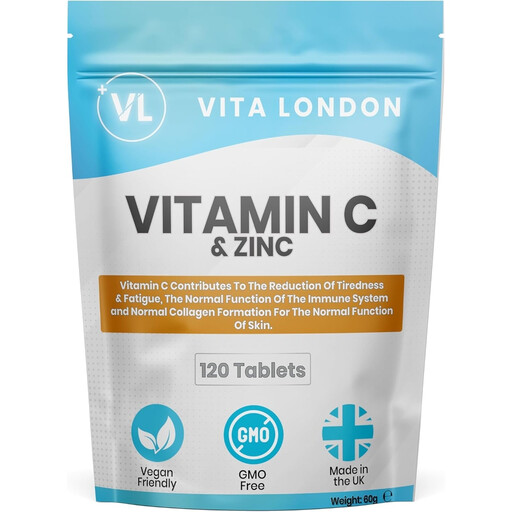
Why This Fits Their Persona: A simple one-tablet routine for UK adults wanting an accessible starting point for daily vitamin supplements.
The label specifies 100mg vitamin C and 20mg zinc per tablet, plus a stated 120-tablet supply, making daily-use calculations clearer.
Vegan; free from gluten, wheat, dairy and soya according to the supplied product information; made in the UK.
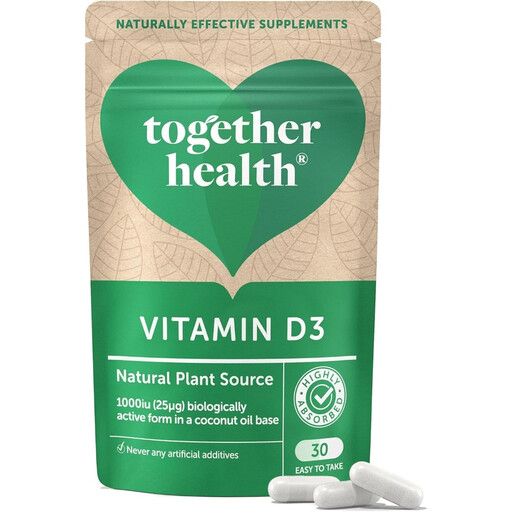
Why This Fits Their Persona: Suits shoppers who prioritise a plant-based source and a short, clearly stated ingredient list.
It identifies lichen as the vitamin D3 source, avoiding uncertainty around animal-derived lanolin.
One capsule provides 25 micrograms of vitamin D3; the product is described as vegan and supplied in compostable packaging.
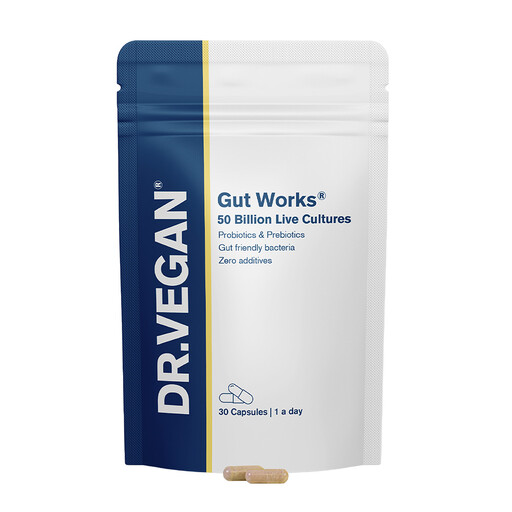
Why This Fits Their Persona: Designed for adults specifically comparing high-count probiotic capsules and synbiotic ingredients.
The formula lists six probiotic strains, 50 billion CFU per capsule, inulin and psyllium husk rather than relying on a single headline number.
Vegan; free from wheat, gluten, lactose, dairy and soya according to the product details; delayed-release capsule format.
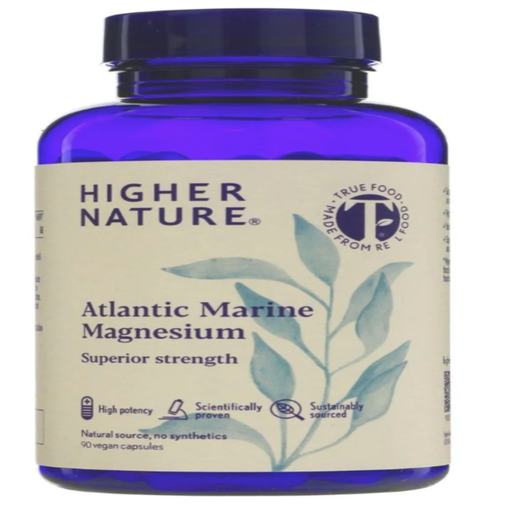
Why This Fits Their Persona: A practical option for adults comparing a single-capsule magnesium routine with a marine-derived source.
The serving information states 300mg of magnesium per capsule, so shoppers can compare it directly with other magnesium supplements.
Suitable for vegans and vegetarians; one capsule daily; no synthetic additives, artificial colours or preservatives listed.
We have compiled a complete, real-time list of products that fully satisfy these strict selection criteria and UK safety regulations.
Common categories include vitamin D3 supplements, vitamin C and zinc, magnesium supplements, multivitamins for women, probiotic capsules and plant-based products such as turmeric and ginger supplements. The suitable choice depends on diet, lifestyle, product dosage and individual circumstances.
No. Vegan describes the absence of animal-derived ingredients, but a product may still contain or be manufactured alongside soya, gluten or other allergens. Always check the current label before purchase.
Follow the packaging instructions. Most tablets and capsules should be kept cool, dry and away from direct sunlight. Liquid probiotics may require refrigeration after opening, and live cultures should not be exposed to hot food or drinks. Check the expiry date and do not use a product if its seal is damaged.
Supplements should complement a varied diet and healthy lifestyle, not replace them. Product formulations and instructions can change, so review the supplied label before use.