
24/7 全天候客户支持

免费退货

当日/次日达

品质保障

开启新人专享福利: 全场免邮 | 低至 2 折 | 免费试用 30 天 JoyPlus 会员
下载 Joybuy
Navigating the world of health supplements can feel overwhelming. Shelves are packed with bottles promising vitality, and online ads present a dizzying array of choices. As a health-conscious individual in the UK, you want to make informed decisions that support your wellbeing, not waste money on marketing hype. The challenge is separating genuinely beneficial products from those that are all promise and no substance.
My role as a Joybuy Product Recommendation Officer is to help you see past the clutter. Many people fall into common traps when buying daily wellness supplements. By understanding these pitfalls, you can become a more discerning shopper and choose products that align with your health goals, whether that's finding effective heart health supplements or the right immune support vitamins.
Before you add anything to your basket, be aware of these frequent issues that can lead to a disappointing purchase:
omega 3 fish oil—dramatically affects its bioavailability, or how much of it your body can actually use. Many supplements use cheaper, less absorbable forms to cut costs.To avoid these traps, focus on a few key parameters. This will empower you to read labels like a professional and select high-quality health supplements UK residents can trust.
The effectiveness of a supplement often comes down to the specific form of the nutrient it contains. Your body absorbs and utilises different forms with varying degrees of efficiency.
omega 3 fish oil, check if it is in the triglyceride (TG) or re-esterified triglyceride (rTG) form. These are generally considered to be more bioavailable than the cheaper ethyl ester (EE) form. For those seeking a vegan omega 3 option, look for supplements derived from algae oil, as they provide a direct source of the active compounds EPA (eicosapentaenoic acid) and DHA (docosahexaenoic acid).Vitamin E capsules come in natural (d-alpha-tocopherol) and synthetic (dl-alpha-tocopherol) forms. The natural "d-" form is more biologically active and better retained by the body. A full-spectrum product will also contain other tocopherols (beta, gamma, delta) for broader antioxidant support.Look for evidence of quality control. The most important one to check for is GMP (Good Manufacturing Practice) certification. This indicates that the product was produced in a facility that adheres to strict quality standards for purity, potency and consistency. For fish oils, certifications like Friend of the Sea provide assurance that the ingredients are sourced sustainably and responsibly.
Do not be swayed by the total weight of an oil or extract. The crucial information is the amount of the active components. For example, a 1000mg fish oil capsule is not helpful unless the label specifies the exact amount of EPA and DHA. Likewise, for antioxidant supplements like grape seed extract, look for the standardisation of polyphenols or OPCs (oligomeric proanthocyanidins). This tells you the potency of the product and ensures you are not just paying for inactive filler.
To help you apply this knowledge, here are a few products matched to different needs and priorities.
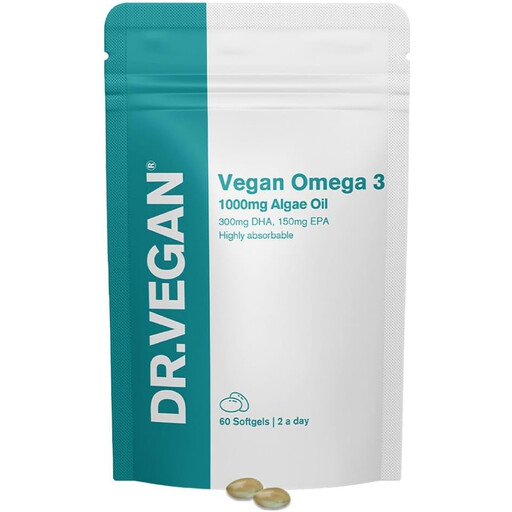
Why This Fits Their Persona: Perfect for vegans or anyone preferring a plant-based lifestyle. It provides the essential long-chain omega-3s (EPA & DHA) that are difficult to obtain from a diet without fish, supporting brain and heart health without compromising ethical or dietary principles.
It bypasses the vague sourcing trap by using sustainably grown marine microalgae, a clean and direct source of EPA and DHA. The label clearly states the active ingredient dosage (300mg DHA and 150mg EPA), avoiding the "low substance" pitfall.
Provides a high-strength, bioavailable source of both EPA and DHA from a sustainable, non-fish source. It is also free from common ocean pollutants like heavy metals and microplastics.
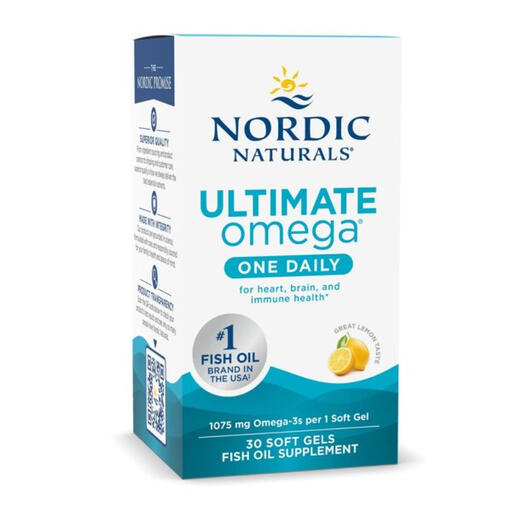
Why This Fits Their Persona: For the individual who prioritises potency and purity for specific goals like `brain support supplements` or heart health. They are willing to invest in a product with proven high absorption and transparent, sustainable sourcing.
It directly counters the bioavailability trap by using the re-esterified triglyceride (rTG) form for better absorption. It also avoids the vague sourcing pitfall with its Friend of the Sea certification, ensuring traceability and sustainability.
Offers a high concentration of 1075mg total omega-3s, with specified EPA and DHA levels, in a highly bioavailable form. The lemon flavour also helps to avoid the unpleasant "fishy burps" common with lower-quality oils.
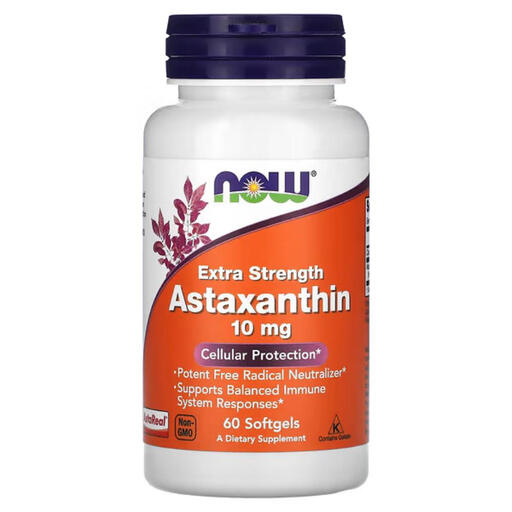
Why This Fits Their Persona: Ideal for those specifically seeking potent `antioxidant supplements` to support their body's defences against oxidative stress, which can be a factor in skin health and overall daily wellness.
This product avoids the "everything blend" trap by focusing on a single, high-potency active ingredient. The label clearly states it contains 10mg of Astaxanthin from a quality source (Zanthin), ensuring you get a meaningful dose.
Delivers a strong 10mg dose of natural Astaxanthin, a powerful antioxidant. The formula is also GMP-certified and suspended in oil to enhance the absorption of this fat-soluble nutrient.
We have compiled a complete, real-time list of products that fully satisfy these strict selection criteria and UK safety regulations.
The time it takes to notice any effects from a supplement varies greatly depending on the nutrient, the individual's existing nutrient levels and the health area being supported. For some, like certain B vitamins, effects on energy might be felt relatively quickly. For others, such as joint care supplements or those for skin health, it may take several weeks or even months of consistent use to see noticeable changes. It is important to follow the recommended dosage and be patient.
While many supplements can be taken together, some combinations can interfere with absorption or have unintended effects. For example, taking high doses of zinc can interfere with copper absorption. It is always wise to read the label for any specific warnings. If you plan to take multiple supplements or are on any prescription medication, it is a good practice to consult with a pharmacist or your doctor to ensure the combination is safe for you.
Not necessarily. While a higher price can sometimes reflect superior ingredients, better bioavailability (like the rTG form of fish oil), or rigorous third-party testing, it can also be due to expensive marketing and packaging. The key is to ignore the price tag initially and instead focus on the factors discussed above: ingredient form, active dosage and quality certifications. A reasonably priced product that meets these criteria is often a much better choice than an expensive one that does not.