
24/7 Customer Support

Free returns

Same-day & Next-day Delivery

Quality Guaranteed

Unlock Your Welcome Offers: FREE Delivery | Up to 80% OFF | Free 30-day JoyPlus trial
Download the APP
Choosing health and wellness supplements can feel more complicated than it should. Powders, capsules, stick packs and skincare products often use similar language, while the meaningful differences may be hidden in serving size, ingredient lists and usage instructions.
For UK shoppers, the safest approach is to compare the product label rather than relying on broad promises. Supplements can complement a varied diet and active lifestyle, but they should not replace balanced meals or medical care.
A 500g pouch may look economical, but the real comparison is cost per serving. Check the recommended daily amount and whether the container includes a scoop. A smaller product with a lower serving size may last longer than expected, while a large tub may be unsuitable if you only use it occasionally.
Sports nutrition supplements may contain creatine, amino acids, electrolytes or a combination of ingredients. These are not interchangeable:
Look for the amount of the active ingredient per serving, not just the total weight or number of ingredients listed on the front of the packaging.
Natural ingredients can still cause allergies, interactions or unwanted effects. Sleep supplements containing valerian root, for example, may cause drowsiness and may not be suitable alongside certain medicines. Botanical blends and greens powders can also include multiple plant ingredients, making label checking particularly important.
Always read the supplied packaging, warnings and directions. If you are pregnant, breastfeeding, under 18, taking prescription medication or managing a health condition, ask a pharmacist or healthcare professional before use.
Start with the nutrition panel. For example, a product may state 5g of creatine monohydrate per serving, while another lists a total blend weight without clearly showing the amount of each component. With amino acid supplements, check whether the label provides individual quantities for leucine, isoleucine, valine or glutamine.
For vegan supplements, verify the capsule shell, flavourings and allergen statement rather than assuming that a plant-focused design is entirely vegan.
Powders can be cost-effective for regular users, but they need convenient storage and accurate measuring. Flavoured options may be easier to drink consistently, while unflavoured powders can be mixed into water, juice or a protein shake.
Capsules provide a portable, pre-measured format, although several capsules may be required per serving. Stick packs are practical for commuting, travel or keeping at work. Choose the format that matches your routine in the gym, home or office.
Check for statements such as may contain milk, coconut, soya, gluten or other allergens. A product can have a short ingredient list yet still be manufactured in a facility handling common allergens.
Storage also affects convenience. Many powders should be kept sealed in a cool, dry place away from sunlight and moisture. Follow the best-before information and do not use a product if the seal is damaged.
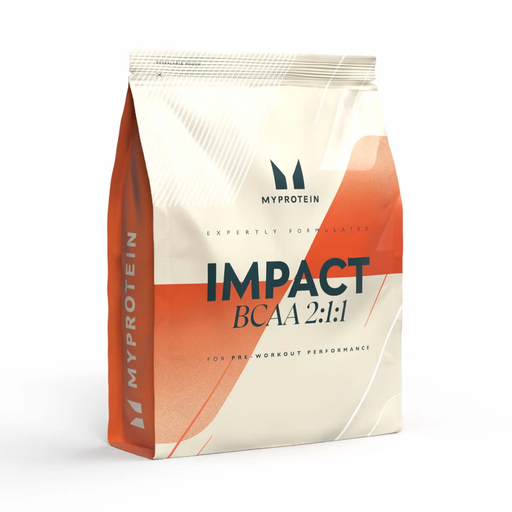
Why This Fits Their Persona: A 250g tub provides 50 listed servings, making it a straightforward option for shoppers starting to compare amino acid supplements for gym sessions.
The label specifies a 5g serving and a 2:1:1 BCAA ratio, so buyers can compare quantities rather than judging by marketing language alone.
Peach and mango flavour; vegetarian- and vegan-friendly according to the supplied product information.
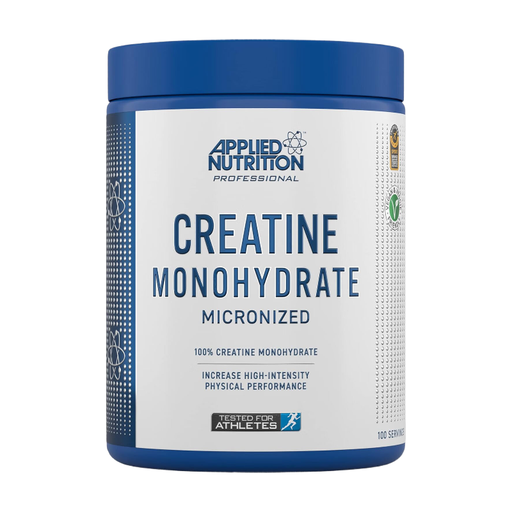
Why This Fits Their Persona: Suitable for regular gym-goers who prefer a single-ingredient powder and a larger supply for an established training routine.
Its supplied ingredient information identifies micronised creatine monohydrate without added flavourings, making the formula easier to assess.
500g format; 5g creatine monohydrate listed per serving; unflavoured for flexible mixing.
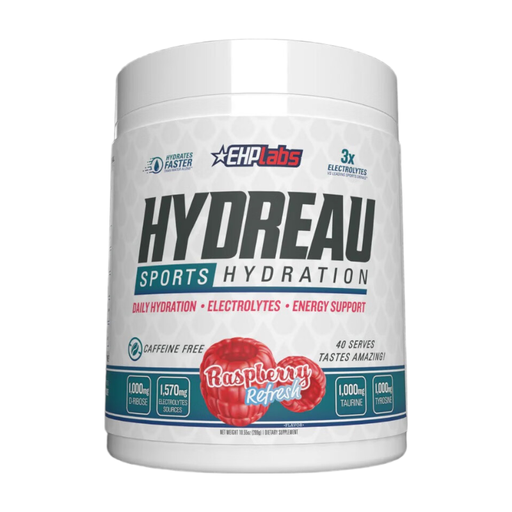
Why This Fits Their Persona: A practical match for active adults who want a measured hydration drink during training, commuting or busy days.
The supplied information lists electrolyte quantities, serving guidance and a 40-serving format, allowing more useful comparison than a vague “hydration” claim.
Raspberry flavour; 15 calories per listed serving; includes magnesium, potassium, sodium and vitamin C.
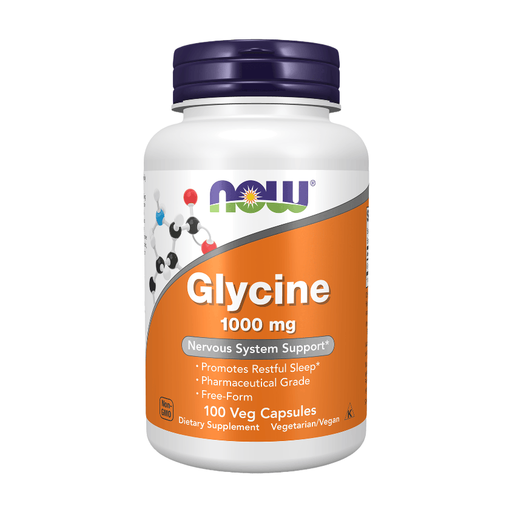
Why This Fits Their Persona: An option for adults who prefer an unflavoured, single-ingredient powder as part of an evening routine.
The ingredient list identifies 100% free-form glycine, while the supplied directions give an approximate 1g amount per quarter of a teaspoon.
454g bulk pack; vegan and vegetarian-friendly according to the supplied information; mixes into water or warm drinks.
Avoid buying several products with overlapping ingredients at once. A gym-goer might compare creatine with sports nutrition supplements containing amino acids, while someone seeking general wellbeing may prefer a greens powder or digestive supplements. Review the nutrition panels together to avoid unintentionally duplicating ingredients.
For sleep support, consider simple routines first: consistent bedtimes, reduced evening screen exposure and a suitable bedroom environment. A pillow spray such as This Works Sleep Plus+ Pillow Spray 100ml is an external-use product, not an oral supplement, and should be used according to its label. Likewise, a skincare serum such as Estée Lauder Advanced Night Repair Synchronized Multi-Recovery Complex Serum belongs in a separate skincare routine rather than being treated as a wellness supplement.
We have compiled a complete, real-time list of products that fully satisfy these strict selection criteria and UK safety regulations.
Calculate the price per serving, then compare the amount of the active ingredient per serving. Also account for the recommended frequency of use, serving scoop size and whether the product is suitable for daily consumption according to its label.
Shelf life varies by product. Keep powders tightly sealed in a cool, dry place and follow the best-before information on the packaging. Moisture can cause clumping, so avoid storing tubs in steamy kitchens or damp gym bags.
Some people use different products for separate purposes, but combination suitability depends on the full ingredient lists, serving instructions, medical circumstances and any medicines being taken. Compare labels carefully and ask a pharmacist or healthcare professional if you are unsure.