
24/7 Customer Support

Free returns

Same-day & Next-day Delivery

Quality Guaranteed

Unlock Your Welcome Offers: FREE Delivery | Up to 80% OFF | Free 30-day JoyPlus trial
Download the APP
Buying health supplements and wellness products in the UK can seem straightforward until you compare serving sizes, ingredients, warnings and pack quantities. Marketing often focuses on phrases such as “high strength”, “natural” or “fast acting”, while leaving out details that affect suitability and value.
Whether you are comparing vitamins and minerals, immune support supplements, sports nutrition or symptom-relief products, the label matters more than the front-of-pack message.
A product may display a high milligram figure, but that number could refer to the whole compound rather than the active nutrient. For example, an omega-3 fish oil capsule may contain 1,250mg of fish oil but provide 750mg of omega-3, including 375mg EPA and 250mg DHA. Always compare the relevant active ingredient, not just the total capsule weight.
The same applies to magnesium capsules, iron supplements, zinc supplements and creatine capsules. Check the amount per serving and how many capsules make up that serving.
“Vegan” does not automatically mean allergen-free. Some probiotic supplements use milk or soya during cultivation, while capsules may contain gelatine. Other products can contain lactose, fish, beef gelatine, soya beans or beeswax.
Read the full ingredient list if you have allergies, follow a vegan or vegetarian diet, or take regular medication. Product formulations and packaging can change, so check the label supplied with your order.
Food supplements are intended to complement a balanced diet, not diagnose or treat disease. A supplement supporting normal immune function is not a substitute for medical care, and herbal supplements such as echinacea, gotu kola or CBD stress support may not be suitable alongside certain medicines.
For OTC products such as paracetamol capsules or allergy relief capsules, follow the patient information leaflet and dosage instructions. These are medicines, not general wellness products.
Look for the nutrient quantity per daily serving and, where provided, the Nutrient Reference Value (NRV). This makes it easier to compare products.
Examples include:
A formula containing many nutrients is not automatically more suitable. Choose according to a clearly identified dietary need.
A convenient one-capsule routine may suit some shoppers, while a higher-dose formula could require several capsules each day. Calculate the actual supply by dividing the capsule count by the recommended daily amount.
Also check age restrictions. Some products are intended for adults only, while others specify suitability from age 12 or 13. Certain herbal products have limited recommended usage periods, and OTC medicines should not be used continuously beyond the stated timeframe without medical advice.
Check whether capsules need to be taken with food, stored below a particular temperature or kept away from moisture. Live cultures may be affected by hot food or drinks, while oils and probiotics need suitable storage.
Look for warnings relating to pregnancy, breastfeeding, kidney or liver conditions, autoimmune conditions, allergies and medication. Keep supplements and medicines out of the sight and reach of children. Laundry detergent pods also require strict child-safe storage: they are household chemicals and must never be handled or opened by children.

Why This Fits Their Persona: One capsule provides 300mg of magnesium, giving shoppers a simple three-month pack for a straightforward daily routine.
The listing states the magnesium amount per capsule and identifies magnesium hydroxide from a marine source, rather than relying only on a broad “mineral complex” description.
90 capsules; vegan and vegetarian suitable; stated dosage is one capsule daily for adults and children aged 13 years and over.
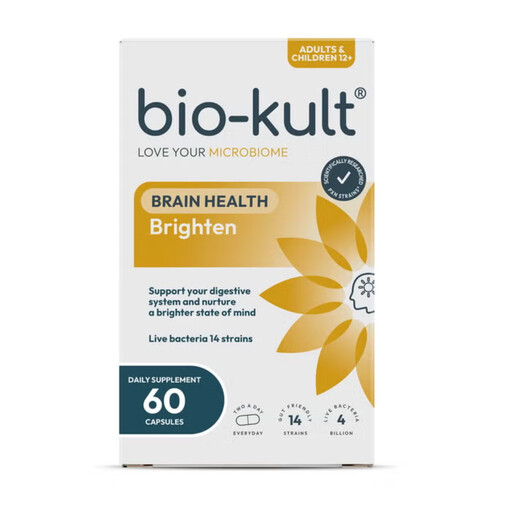
Why This Fits Their Persona: Suitable for adults seeking a combined probiotic and nutrient formula rather than a single vitamin or mineral.
Its listing specifies 14 live bacterial strains, four billion CFU and the exact vitamin and mineral quantities per two-capsule serving.
Includes magnesium, zinc, vitamins B6, B12 and D3; capsules may be swallowed or mixed with cold food or drink.
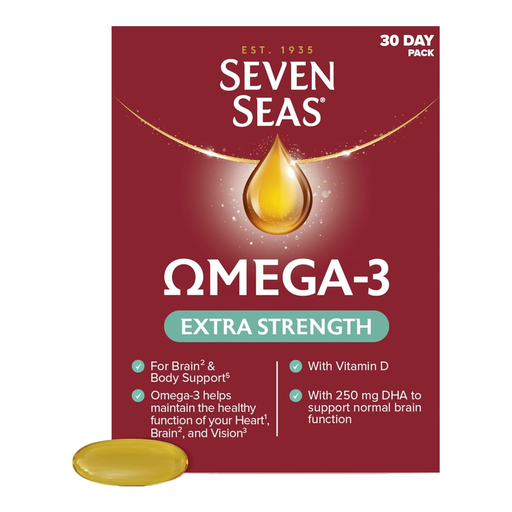
Why This Fits Their Persona: A practical option for adults specifically comparing omega-3 and vitamin D in one daily capsule.
The product information separates 1,250mg fish oil from 750mg omega-3 and lists EPA, DHA and vitamin D individually.
One capsule daily; provides 375mg EPA, 250mg DHA and 10µg vitamin D; contains fish and beef gelatine.
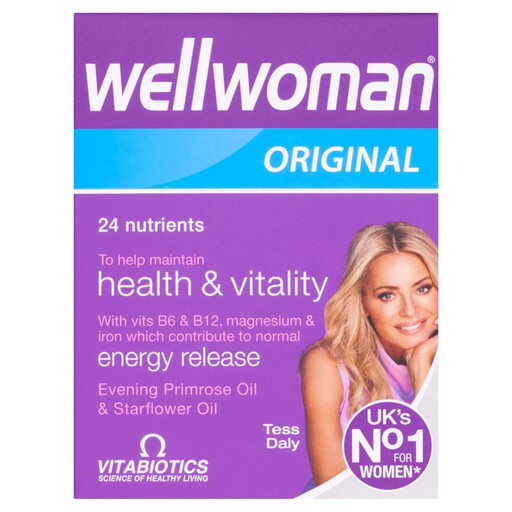
Why This Fits Their Persona: Designed for women looking for a broad daily multivitamin rather than separate vitamins and minerals.
The label sets out the amount of each nutrient, including 12mg iron, 10µg vitamin D, 100mg magnesium and 400µg folic acid.
One capsule daily with a main meal; includes evening primrose oil, starflower oil and a broad range of vitamins and minerals.
We have compiled a complete, real-time list of products that fully satisfy these strict selection criteria and UK safety regulations.
Calculate the cost per daily serving, not simply the price per bottle. A 180-capsule pack may offer less value than a smaller pack if the recommended dose is several capsules a day. Include delivery costs and check the best-before date before buying larger quantities.
You may duplicate ingredients when combining a women’s multivitamin, vitamin D3, magnesium capsules, zinc supplements or immune support supplements. Add up the daily amounts and follow the product warnings. Ask a pharmacist or healthcare professional for advice if you take medication, are pregnant or breastfeeding, or have a medical condition.
This depends on the product and its stated instructions. Some products are designed for daily use, while herbal supplements may specify a limited period. If symptoms persist, worsen or need repeated OTC treatment, seek advice from a pharmacist or GP rather than extending use independently.