
24/7 全天候客户支持

免费退货

当日/次日达

品质保障

开启新人专享福利: 全场免邮 | 低至 2 折 | 免费试用 30 天 JoyPlus 会员
下载 Joybuy
Buying supplements online can be convenient, but product pages often make comparison harder than it should be. Large numbers, broad wellness promises and oversized tubs can distract from the details that affect value and suitability.
The most common pitfalls include:
A sensible approach is to match the formula, serving size and format to your routine before considering branding or presentation.
Start with the active ingredient per recommended serving, not the headline pack size. For example, a creatine product may provide 3g or 5g per serving, while an amino acid powder may provide 1g per measured dose.
Check whether the label specifies:
For vitamins and minerals, a high percentage of the NRV does not automatically mean a product is more suitable. Avoid combining several products with overlapping ingredients unless a healthcare professional has advised you to do so.
People looking for vegan supplements should check the whole formula, including capsule shells, flavourings and processing aids. “Plant-based” protein may still be unsuitable if it contains milk-derived ingredients or is manufactured alongside allergens.
Common checks include:
For example, a vegan protein powder should provide a clear plant-based ingredient list. A fish oil product should clearly identify fish as an allergen rather than leaving the source unclear.
Tablets are convenient for daily wellness supplements, while powders allow greater control over serving size but require measuring and mixing. Single-day packs can reduce dosage confusion, although they may contain several tablets or capsules at once.
To calculate value, divide the price by the number of recommended daily servings. Consider:
This is particularly useful when comparing protein powder, sports nutrition supplements, omega-3 supplements and larger tubs of creatine powder.
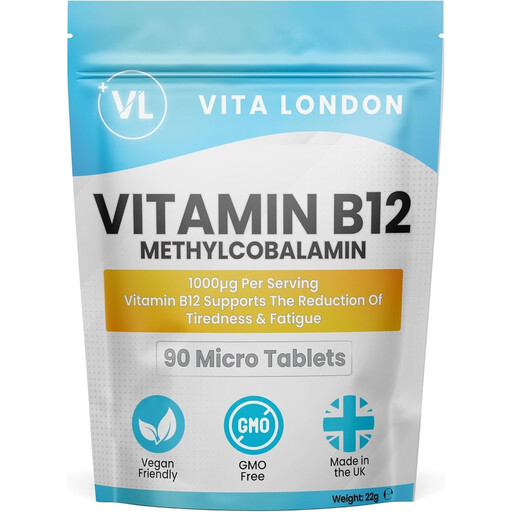
Why This Fits Their Persona: A compact daily format with 90 tablets provides a clearly defined three-month supply, which is practical for adults starting a simple supplement routine.
The label identifies one tablet per day and the pack quantity, helping shoppers calculate supply duration instead of relying on a high-strength headline alone.
Provides 1,000µg methylcobalamin per tablet; vegan, gluten-free and dairy-free formula.
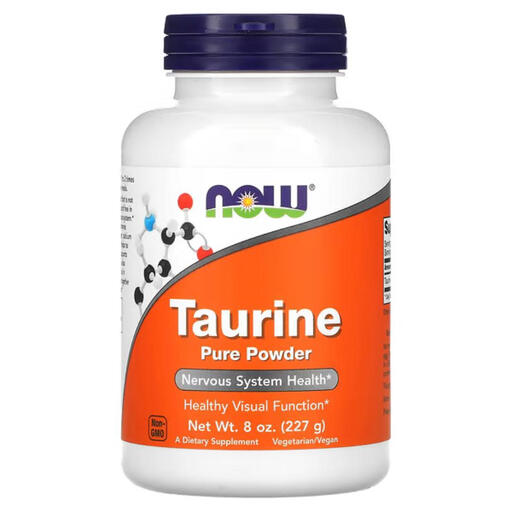
Why This Fits Their Persona: Suitable for adults who prefer a single-ingredient powder and want to adjust use within the stated directions.
The ingredient list is limited to free-form taurine, making it easier to identify what you are buying and avoid unnecessary blends.
Unflavoured powder; 1g taurine per stated serving; vegan-friendly and non-GMO according to the product information.
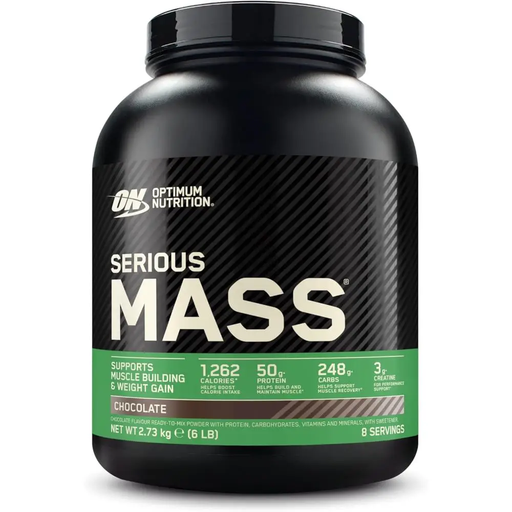
Why This Fits Their Persona: Designed for adult athletes and gym-goers who specifically need a high-calorie shake as part of a planned nutrition routine.
The nutrition panel shows the full 334g serving, including calories, protein, carbohydrates and creatine, so the substantial serving size is visible before purchase.
Provides 1,250 kcal, 50g protein and 3g creatine per stated serving; contains milk, egg and wheat allergens.
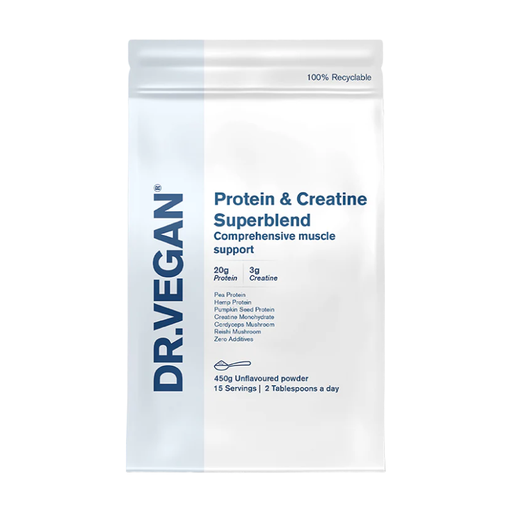
Why This Fits Their Persona: A useful match for vegan gym users seeking protein and creatine in one unflavoured powder for drinks, yoghurt, smoothies or cooking.
The product states its plant protein sources and lists exclusions including dairy, soya, gluten and added sugar, allowing a more informed dietary check.
Each 30g serving provides 20g protein and 3g creatine monohydrate; unflavoured and suitable for vegans.
Food supplements should complement a varied, balanced diet rather than replace it. UK shoppers should read the full product label, dosage directions, warnings, storage advice and best-before information before ordering.
Take extra care if you:
Do not assume that “natural”, “clean” or “high strength” means suitable for everyone. Health claims should not be treated as diagnosis, prevention or treatment advice. If you are unsure about interactions or nutritional needs, speak with a GP, pharmacist or registered healthcare professional.
It can be, provided you use a reputable retailer and check the product label, ingredients, dosage, allergen information and manufacturer details. Food supplements are not the same as medicines and should not be used to diagnose or treat a condition.
Calculate the price per recommended daily serving rather than comparing tub size or tablet count alone. A 90-tablet pack taken once daily provides 90 servings, while a powder may use a much larger serving than expected. Include delivery charges and avoid buying more than you can store or use before the best-before date.
Check for overlapping nutrients before combining multivitamins, omega-3 supplements, vitamin B12 tablets or daily wellness supplements. Some products already contain vitamin D, chromium, iron or B vitamins. Follow the label and ask a healthcare professional for advice where medicines or health conditions are involved.