
24/7 全天候客户支持

免费退货

当日/次日达

品质保障

开启新人专享福利: 全场免邮 | 低至 2 折 | 免费试用 30 天 JoyPlus 会员
下载 Joybuy
Buying health and wellness products can be difficult when labels use vague promises such as “clean”, “natural”, “detox” or “metabolism boosting”. A product may suit one routine but be unsuitable for another because of its calorie content, allergens, caffeine level, serving size or preparation time.
For UK shoppers, the most useful approach is to compare the label with your actual needs rather than relying on front-of-pack marketing.
A sugar-free soft drink may contain very few calories, but it is not designed to replace water, protein or a balanced meal. Similarly, a meal replacement shake may provide calories, protein, vitamins and minerals, but it should not automatically replace every meal without considering your overall diet.
Check the nutrition table per serving, not only the figures per 100ml or 100g. This gives a clearer idea of what you will consume from one bottle, scoop or can.
MCT oil, metabolism support supplements and zeolite powder are often marketed using strong language around energy, detoxification or body composition. These statements should not be treated as medical or guaranteed results.
Instead, check the active ingredients, quantity per serving, directions, warnings and suitability for your diet. People taking prescription medicines, managing a health condition, or who are pregnant or breastfeeding should seek advice from a healthcare professional before using supplements.
A product can appear good value until you discover that it requires refrigeration, has a short opened shelf life, contains an allergen or uses sweeteners you prefer to avoid.
Before buying, check:
For protein powder, compare protein per scoop, not merely protein per 100g. Applied Nutrition Diet Whey, for example, lists 20g protein per 25g serving, alongside 100 kcal and 0.98g carbohydrate per serving.
For meal replacement shakes, look for a broader nutritional profile. Huel Ready-to-Drink Complete Meal provides 400 kcal and 20g protein per 500ml bottle, with fibre and a range of listed vitamins and minerals. This makes it a different type of purchase from a conventional protein shake.
People following a ketogenic diet may look at MCT oil because it contains fat without carbohydrate. The KIKI Health C8 MCT Energy Support Oil lists at least 96% caprylic acid (C8) and provides 0g carbohydrate per 100ml. However, it is still energy-dense at 865 kcal per 100ml, so portion control matters.
For vegan nutrition products, check the complete ingredients list rather than relying only on front-of-pack wording. Plant-based products can still contain allergens such as soya, or may be manufactured alongside other allergens.
A drink labelled sugar-free is not necessarily caffeine-free. Diet Pepsi and standard Diet Coke contain caffeine, while Diet Coke Caffeine Free is listed at 0g sugar and 0.4 kcal per 100ml, without caffeine in the provided ingredients.
Natural drinks also need comparison. Vita Coco Natural Coconut Water contains 19 kcal and 3.7g sugars per 100ml, while XOXO Prebiotic Soda contains 25 kcal and 5.6g sugars per 100ml. “Natural” or “prebiotic” does not mean calorie-free.
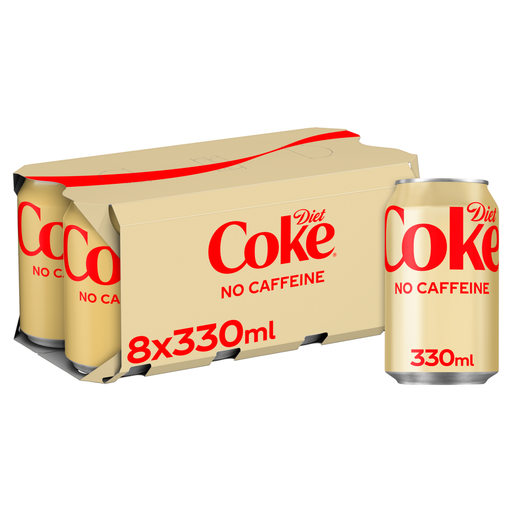
Why This Fits Their Persona: A straightforward option for shoppers seeking portioned, sugar-free drinks for the fridge, evening meals or occasional refreshment without caffeine.
The product information clearly lists 0g sugar and caffeine-free ingredients, helping avoid confusion between sugar-free and stimulant-free drinks.
330ml cans provide clear portions; listed energy is 0.4 kcal per 100ml and the pack contains no declarable allergens, but it contains a source of phenylalanine.
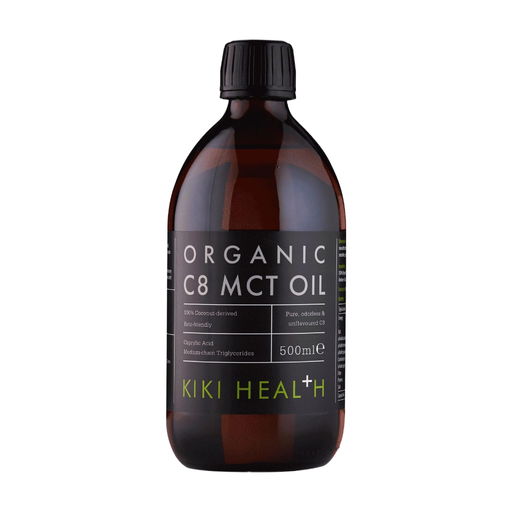
Why This Fits Their Persona: Suitable for adults who specifically want a flavourless MCT oil to add to coffee, smoothies or recipes within a low-carb routine.
The specification identifies the oil as 100% organic MCT oil with at least 96% C8, rather than leaving the MCT type unclear.
Flavourless and odourless; 0g carbohydrate per 100ml. It is calorie-dense, so follow the label directions and introduce it carefully.
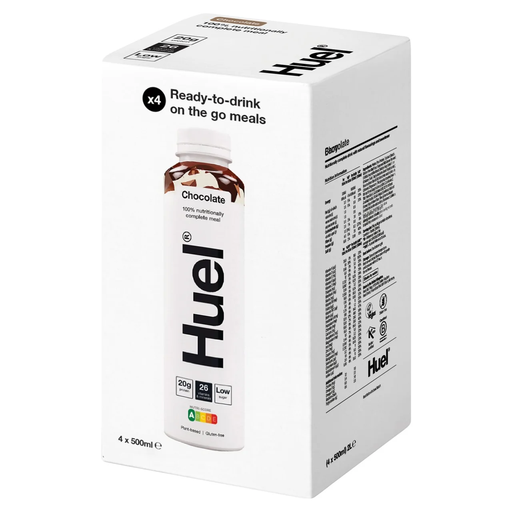
Why This Fits Their Persona: A convenient choice for busy UK professionals, commuters or gym-goers who need a ready-to-drink meal option without powder, water or a blender.
The label provides calories, protein and fibre per bottle, making it easier to compare with a normal lunch rather than judging it as a simple shake.
Each 500ml bottle lists 400 kcal, 20g protein and 6g fibre. Shake before opening and refrigerate after opening, consuming within 24 hours.
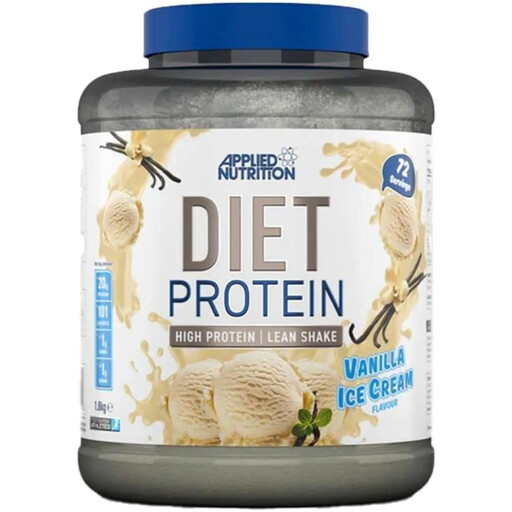
Why This Fits Their Persona: Designed for gym-goers and active adults who want a large-format powder for tracking protein and carbohydrate intake.
The product lists its whey blend, serving size and added ingredients, allowing shoppers to assess protein content separately from metabolism-support marketing.
Provides 20g protein and 100 kcal per 25g serving. Contains milk and may contain soya, eggs, fish and celery, so check the current label carefully.
We have compiled a complete, real-time list of products that fully satisfy these strict selection criteria and UK safety regulations.
Look for products with clearly stated carbohydrate values. MCT oil contains 0g carbohydrate per 100ml, but it is high in calories. Sugar-free drinks may fit a low-sugar routine, although some contain caffeine or sweeteners. Always consider the full day’s intake rather than one product in isolation.
They can be convenient for occasional meal replacement, particularly when work or travel makes cooking difficult. Check calories, protein, fibre, allergens and micronutrients, and follow the product’s serving guidance. They should complement a varied diet rather than automatically replace all meals.
Calculate the cost per serving, not just the shelf price. For powders, divide the pack price by the number of scoops. For drinks, compare the price per can, bottle or litre. Also account for waste, refrigeration, preparation time and whether you will realistically use the product before its best-before date.