
24/7 Customer Support

Free returns

Same-day & Next-day Delivery

Quality Guaranteed

Unlock Your Welcome Offers: FREE Delivery | Up to 80% OFF | Free 30-day JoyPlus trial
Download the APP
Finding suitable health and wellness products UK shoppers can trust is not simply a matter of choosing the product with the most impressive packaging. Whether you are comparing meal replacement shakes, sports supplements, hydration drinks or everyday kitchen appliances, the useful details are usually found in the nutrition panel, ingredients list and usage instructions.
The following guide highlights common buying traps, the specifications worth checking and a selection of products matched to different lifestyles.
Words such as “wellness”, “natural” and “support” can make a product appear more comprehensive than it is. A drink may contain added vitamins but also a considerable amount of sugar. A protein product may contain useful protein per tub but provide relatively little per recommended portion.
Always check:
For example, a meal replacement shake should be used according to its directions and as part of a varied diet. It should not automatically be treated as a sole source of nutrition.
“Vegan”, “vegetarian” and “gluten-free” are not interchangeable descriptions. A vegetarian product may contain milk or egg, while a product made without obvious wheat ingredients may still carry a “may contain” warning.
Check the complete label for:
This is particularly important when buying gluten-free foods, vegan supplements or products for someone with a diagnosed allergy or intolerance.
A large tub may offer a lower cost per serving, but only if you will use it before its best-before date. Frozen protein ice cream requires freezer space, while powdered products require a shaker and accurate portion measurement. Ready-to-drink electrolyte drinks are convenient, but may cost more per serving than a powder.
Consider storage, preparation time, portability and frequency of use before comparing prices.
For meal replacement shakes, compare the prepared serving. The SlimFast strawberry shake provides 230 calories, 15g protein and 4g fibre when prepared with 250ml skimmed milk, according to the supplied product information. It also contains milk and soya, and may contain traces of cereals containing gluten.
For high-protein cereal, compare protein and fibre alongside sugar. Weetabix Protein Cereal lists 19g protein and 9.9g fibre per 100g, while also containing wheat and barley. This makes it unsuitable for people avoiding gluten, despite its protein-focused positioning.
For creatine monohydrate powder, look for a clearly stated ingredient and serving quantity. Applied Nutrition’s unflavoured product lists micronised creatine monohydrate as its ingredient and provides 5g per serving. It is intended for adults and is not suitable for pregnant or breastfeeding women or those under 18, according to the product instructions.
Those comparing essential amino acid supplements should check whether all nine essential amino acids are listed and whether the product fits their diet. The MyProtein Impact EAA powder lists the nine essential amino acids and is described as suitable for vegetarians and vegans, although the label advises checking for possible milk traces.
Electrolyte drinks, isotonic energy drinks and ordinary soft drinks serve different purposes. Pocari Sweat provides carbohydrates and electrolytes, with 25 kcal and 6.2g carbohydrate per 100ml in the supplied information. Science in Sport GO provides 22g carbohydrate per 60ml sachet and is designed for use during exercise.
For normal daily hydration, water is often sufficient. During prolonged or sweaty exercise, compare carbohydrate, sodium and serving format rather than relying only on the word “isotonic”. Aloe vera drinks and kombucha drinks should also be assessed as soft drinks: OKF Aloe Vera Juice lists 8g sugar per 100ml, while Lipton Kombucha lists 11g sugar per 250ml can.
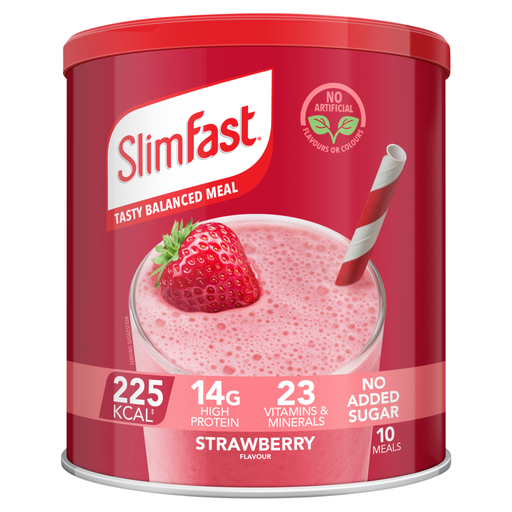
Why This Fits Their Persona: A measured powder format can suit shoppers seeking a straightforward breakfast or lunch option with clear portion guidance.
The prepared serving information states the calorie, protein and fibre amounts rather than leaving shoppers to estimate them from the tub size.
365g provides 10 servings at 36.5g powder per serving; includes 23 listed vitamins and minerals.
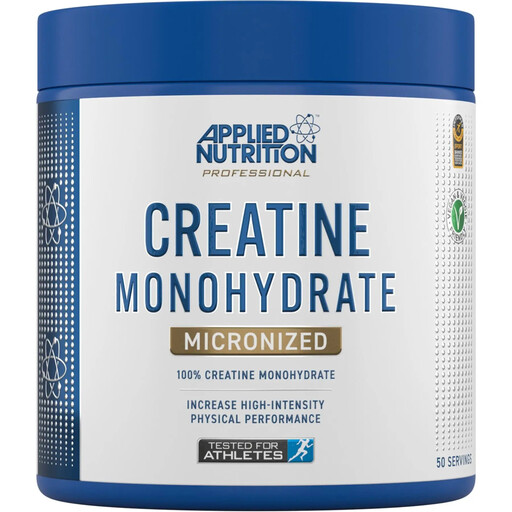
Why This Fits Their Persona: The plain formula suits gym users who prefer to control flavour, mixing method and serving size themselves.
It lists micronised creatine monohydrate as the sole ingredient, avoiding a long blend where the quantity of creatine is unclear.
Unflavoured powder; 5g creatine monohydrate per stated serving.
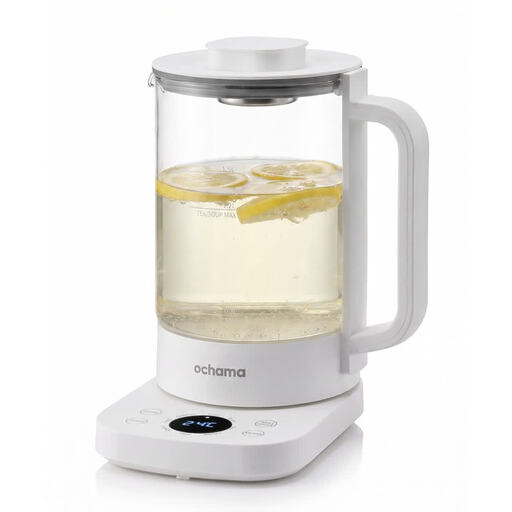
Why This Fits Their Persona: Its larger capacity and programmable functions suit households preparing herbal teas, fruit infusions or hot drinks throughout the day.
The specifications state capacity, power, temperature settings and boil-dry protection, making the practical features easier to compare.
1.5L capacity; 8 preset functions; 11 keep-warm levels and 24-hour appointment setting.
We have compiled a complete, real-time list of products that fully satisfy these strict selection criteria and UK safety regulations.
Some are designed for routine use, while others are intended for specific situations such as exercise or temporary sore throat relief. Read the serving instructions, age restrictions and warnings. Supplements should not replace a varied diet.
Divide the purchase price by the number of clearly stated servings, then include milk, refrigeration, freezer storage or other preparation costs. A powder may have a lower serving cost, while a ready-to-drink product may offer greater convenience.
Review the latest product label, allergen information, net quantity, storage instructions and seller details. Formulations and packaging can change, so use the supplied label as the final reference, particularly if you have allergies, take medication or follow a restricted diet.