
24/7 全天候客户支持

免费退货

当日/次日达

品质保障

开启新人专享福利: 全场免邮 | 低至 2 折 | 免费试用 30 天 JoyPlus 会员
下载 Joybuy
Buying health and wellness products can feel straightforward until you compare ingredient lists, serving sizes, dietary claims and prices. A colourful label may suggest “clean” nutrition, yet the details often tell a different story.
For UK shoppers, the main challenge is finding products that match a genuine need rather than adding unnecessary ingredients to the cupboard. Whether you are comparing electrolyte hydration sachets, keto supplements, vegan multivitamins or digestive health supplements, a practical checklist can help you avoid expensive mistakes.
A zero-sugar product may still contain sweeteners, caffeine, flavourings or a relatively high sodium content. This matters when comparing sugar-free electrolytes, zero-sugar energy drinks and stevia sweetener.
Read the full ingredient list rather than relying on the front label. Check:
A tub or bottle can appear good value, but the number of servings and active ingredient amount are more useful comparisons. For example, protein powder may provide around 22g of protein per 30g serving, while a collagen powder may provide a different quantity and type of protein.
Similarly, compare the number of capsules with the recommended daily intake. A 180-capsule pack may require two capsules daily, whereas a 90-capsule product may have a different dosage.
Food supplements are intended to complement a varied diet, not replace medical advice or prescribed treatment. Be particularly careful with products containing concentrated botanicals, high-dose vitamins, caffeine or substantial sodium.
Check the warning panel before buying bromelain capsules, artichoke extract, digestive formulas or electrolyte products. If you are pregnant, breastfeeding, managing a health condition or taking medication, speak with a healthcare professional first.
Look for a complete ingredient list and clear allergen information. Vegans may want to check that capsules use cellulose rather than gelatine and that the formula contains no milk-derived ingredients. People following a keto or low-carbohydrate diet should check total carbohydrate values rather than relying only on phrases such as “keto-friendly”.
For example, MCT oil can contain zero carbohydrate but is still calorie-dense, at around 865 kcal per 100ml in the product information provided. Konjac noodles are very low in calories, but they still require rinsing and cooking according to the pack instructions. Fruit conserve, by contrast, can contain around 59g of sugar per 100g, so portion size is important even when the product contains fruit.
The headline ingredient is only useful when its amount is stated. Relevant examples include:
A product with a shorter ingredient list is not automatically more appropriate. The useful question is whether the formula provides the ingredient and quantity that suit your intended use.
The right format is the one you will use consistently. Sachets are practical for commuting, gym bags and travel, while capsules offer simple portion control. Unflavoured powders can be mixed into coffee or smoothies, but flavoured options may be easier to enjoy regularly.
For electrolyte powders, also check the dilution instructions. One sachet may be intended for approximately 500ml of water, while using 750ml to 1,000ml can create a lighter flavour. This can affect both taste and how quickly a 30-sachet box is used.
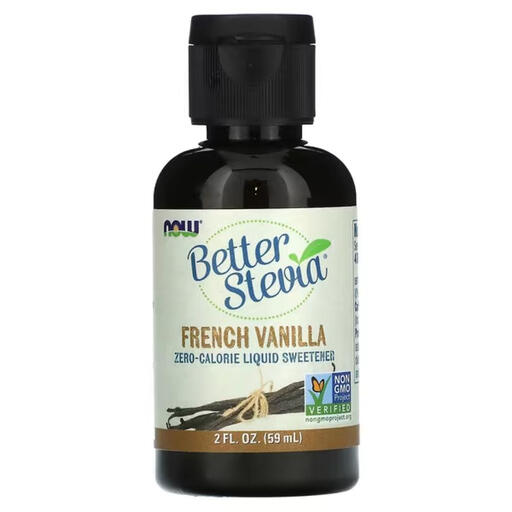
Why This Fits Their Persona: A small liquid bottle can help shoppers reduce added sugar in drinks and foods without buying multiple specialist products. One to four drops can be added to taste.
The label states zero calories and zero sugars per four drops, while also disclosing that the liquid contains 12% alcohol.
Certified organic stevia leaf extract, French vanilla flavour, vegan and gluten-free.
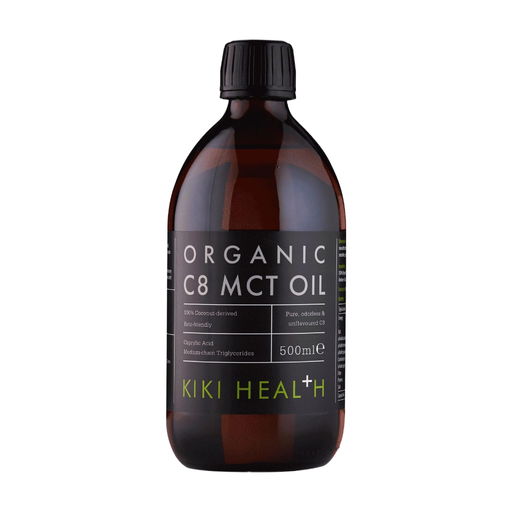
Why This Fits Their Persona: Suitable for adults following low-carb or keto routines who want an unflavoured oil for coffee, smoothies or recipes.
The product specifies 100% organic MCT oil and identifies at least 96% caprylic acid, rather than using only a general MCT label.
Flavourless and odourless, with zero carbohydrate per 100ml. It remains calorie-dense, so portion control matters.
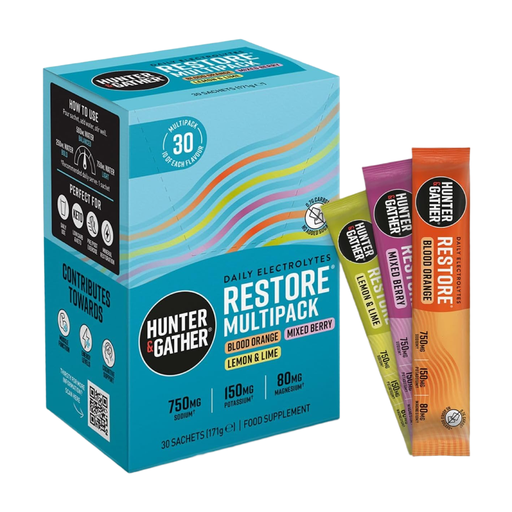
Why This Fits Their Persona: Handy for active adults, gym users and commuters who want individually packed electrolyte hydration sachets with three flavours.
The nutrition information states 750mg sodium, 150mg potassium and 80mg magnesium per sachet, with no added sugar.
Contains Blood Orange, Mixed Berry and Lemon & Lime options. The higher sodium content means people on low-sodium diets should seek medical advice first.
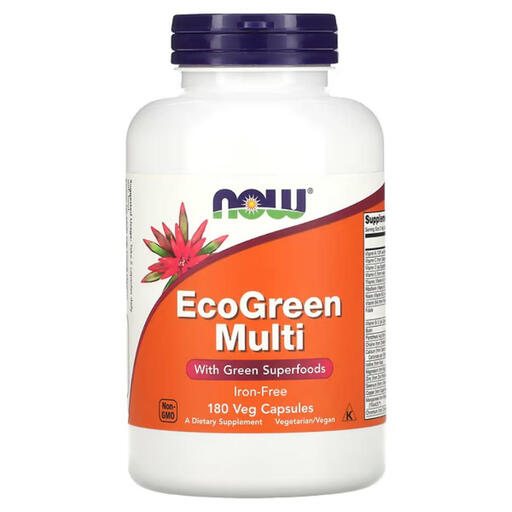
Why This Fits Their Persona: A vegan, iron-free capsule format may suit adults who want a broad daily formula and do not require additional iron.
The product clearly identifies its iron-free format and lists its vitamins, minerals and green ingredients.
Vegan capsules, spirulina and chlorella. Take two capsules with food and check for interactions with existing supplements or medicines.
They can be useful when a product has a clear purpose, transparent dosage and a format that fits your routine. Compare the cost per serving, not simply the pack price. Also consider whether you will use the full pack before its best-before date.
Shelf life varies by product. Keep powders and capsules sealed in a cool, dry place away from sunlight and moisture. Refrigerate food products such as konjac noodles after opening and consume them promptly. Always follow the best-before information and storage instructions on the packaging.
Avoid combining products with overlapping ingredients without checking the labels. Caffeine from energy drinks may be added to coffee or pre-workout products, while multivitamins can overlap with individual vitamin supplements. High-sodium electrolytes, botanical extracts and digestive formulas also warrant extra caution if you take medication or manage a health condition.