
24/7 Customer Support

Free returns

Same-day & Next-day Delivery

Quality Guaranteed

Unlock Your Welcome Offers: FREE Delivery | Up to 80% OFF | Free 30-day JoyPlus trial
Download the APP
Choosing health and wellness supplements can feel unnecessarily complicated. Product labels often combine large numbers, fashionable ingredients and broad promises about heart health, circulation, energy or immunity. However, a higher strength or longer ingredient list does not automatically make a supplement suitable for your needs.
For UK shoppers, the sensible approach is to match the ingredient, dose, format and dietary suitability to a specific goal. This guide explains the main buying pitfalls and compares selected options for cardiovascular support, antioxidant protection, metabolism and exercise performance.
A bottle may advertise “1,000 mg fish oil” or “high-strength amino acids”, but the useful comparison may be the amount of EPA and DHA, elemental magnesium or the named botanical extract. Always read the nutrition panel rather than relying on the front label.
For example, a fish oil product can contain 1,250 mg fish oil but provide 375 mg EPA and 250 mg DHA. These figures are more useful when comparing omega-3 supplements than the total oil quantity alone.
Multi-ingredient formulas can be convenient, but they may also create unnecessary duplication. Taking separate heart health supplements, vitamin E supplements, omega-3 products and circulation support supplements could result in overlapping ingredients.
Check the full daily intake across all products. Pay particular attention to vitamin D, vitamin E, magnesium, potassium and ingredients that may be unsuitable alongside prescribed medicines.
Fish oil softgels, gelatine capsules and soy lecithin are not suitable for everyone. Vegans and vegetarians should look for algae-based omega-3 or plant-based capsule shells. People with allergies should check both the ingredients and the “made in a facility” statement.
Also check whether the product requires one capsule daily, several capsules per serving or a measured liquid dose. A low-cost bottle may offer fewer actual days of use than its capsule count suggests.
For heart health supplements, compare the named active compounds and their quantity per daily serving. Omega-3 products should clearly state total omega-3, EPA and DHA. Antioxidant supplements should identify the quantity of ingredients such as alpha lipoic acid, resveratrol or vitamin E.
For amino acid supplements and workout performance supplements, check the amount per capsule or scoop and the recommended timing. A product providing 1,500 mg L-citrulline per capsule is easier to assess than one that only describes a proprietary blend.
Capsules and softgels are portable and convenient, while liquids and powders may be preferable if swallowing tablets is difficult or if flexible serving sizes are useful. Calculate the number of daily servings, not simply the number printed on the front of the pack.
Look for clear directions, a stated maximum daily amount, storage instructions and a visible best-before date. Products with oils may also require careful storage away from heat, humidity and direct sunlight.
Check for vegan, vegetarian, Halal, kosher, allergen-free or Informed Sport details where relevant. These statements should appear on the product packaging or official product information.
UK food supplements should not be marketed as treatments for disease. Be cautious of claims about curing high blood pressure, reversing cardiovascular disease, replacing prescribed medicines or producing guaranteed weight-loss results. A supplement should complement a varied diet and healthy lifestyle, not replace medical care.
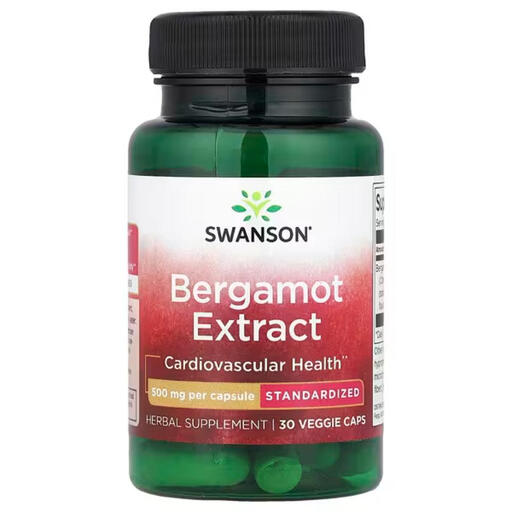
Why This Fits Their Persona: A straightforward, vegan-friendly capsule for adults seeking a single botanical ingredient without committing to a large multi-product routine.
The label states 500 mg bergamot extract standardised to 20% flavonoids, making the active specification easier to compare than a vague blend.
Vegan capsule shell; one 500 mg extract per capsule; 30-capsule pack.
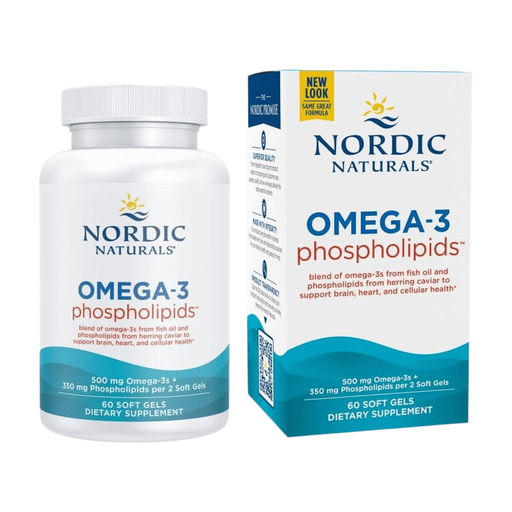
Why This Fits Their Persona: Suitable for adults who want a clearly itemised omega-3 formula for a regular heart and cognitive wellness routine.
The nutrition panel separates total omega-3s, EPA, DHA and phospholipids, helping shoppers assess the formula beyond the front-of-pack wording.
500 mg total omega-3 per serving; 190 mg EPA and 200 mg DHA; 60 softgels.
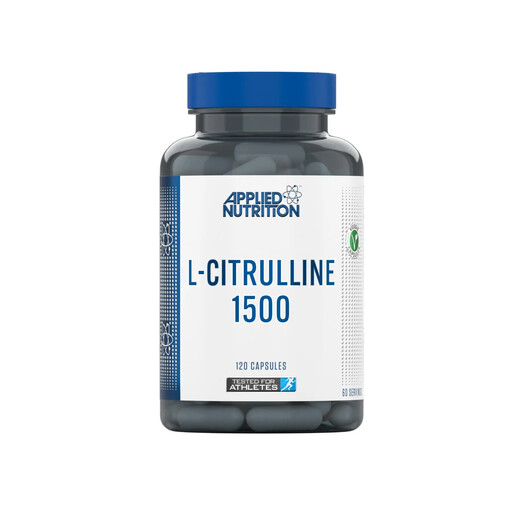
Why This Fits Their Persona: Designed for adults who prefer a measured capsule format before strength, bodybuilding or endurance sessions.
The stated serving is two capsules, providing 3,000 mg L-citrulline, so the user can calculate intake without relying on a proprietary pre-workout blend.
Vegan capsules; 1,500 mg per capsule; 120-capsule pack.
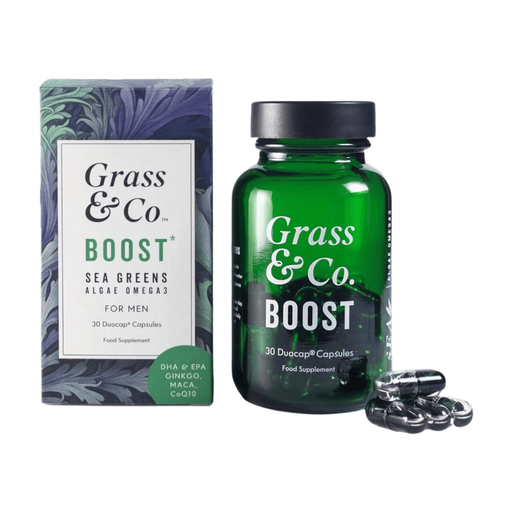
Why This Fits Their Persona: A one-capsule option for adult men following a plant-based diet and looking to combine omega-3 with selected micronutrients.
It specifies algae-derived omega-3 and identifies DHA and EPA amounts, rather than presenting the product as an unspecified vegan oil.
333 mg algae omega-3 per capsule; 100 mg DHA and 50 mg EPA; vegan format.
We have compiled a complete, real-time list of products that fully satisfy these strict selection criteria and UK safety regulations.
Shelf life varies by product and storage conditions. Check the best-before date and keep capsules, softgels and powders in a cool, dry place. Liquid products may need particularly careful sealing after opening. Do not use a supplement if the safety seal is broken or the product has changed noticeably.
Sometimes, but the combined daily intake needs checking. Avoid automatically combining multiple omega-3 supplements, vitamin E supplements, magnesium products or blood pressure support formulas. If you take prescribed medicines, are pregnant or breastfeeding, or have a medical condition, ask a GP or pharmacist before starting.
Not always. A varied diet remains the foundation of nutritional wellbeing. Supplements may be useful where dietary intake, lifestyle, preference or a specific nutritional requirement makes them appropriate. Read the label, follow the stated dose and seek individual medical advice where needed.