
24/7 Customer Support

Free returns

Same-day & Next-day Delivery

Quality Guaranteed

Unlock Your Welcome Offers: FREE Delivery | Up to 80% OFF | Free 30-day JoyPlus trial
Download the APP
Choosing health and wellness supplements can feel unnecessarily complicated. Product pages often combine long ingredient lists, phrases such as “natural support” and impressive-looking dosage figures, making it difficult to compare what you are actually buying.
For UK shoppers, the most useful approach is to focus on the label, intended use and suitability rather than promotional language. Whether you are comparing vitamin supplements, immune support supplements, antioxidant supplements, thyroid support supplements or cognitive support supplements, these checks can help prevent wasted money and unsuitable purchases.
A product containing numerous herbs, vitamins and extracts is not automatically more suitable. Multiple ingredients may also increase the chance of duplication when combined with a multivitamin or another supplement.
For example, iodine may appear in kelp tablets, wholefood vitamins and thyroid formulas. Zinc can also be present in immune, gut health and mineral products. Check the total daily intake across your routine, not only the amount in one bottle.
Herbal supplements and natural wellness products can still interact with medicines or be unsuitable during pregnancy, breastfeeding or certain health conditions. Kelp-derived iodine, ashwagandha, ginkgo and concentrated botanical extracts all require sensible label checking.
“Vegan”, “wholefood” and “organic” describe particular product characteristics, but they do not replace checking dosage, allergens or warnings.
A large number on the front of a pack may refer to an extract equivalent, a complete serving or several capsules. Always compare:
A 60-capsule bottle taken at two capsules daily lasts 30 days, while one taken at a single capsule daily lasts 60 days. The lower shelf price is not necessarily the lower cost per serving.
For vitamin supplements, check the named form and amount. A wholefood multivitamin may provide nutrients from plant, marine or fermented sources, while a conventional formula may list individual vitamins and minerals. Neither format is automatically right for everyone; the practical difference is whether the nutrient profile suits your dietary preferences and existing intake.
For antioxidant supplements, look for a clearly stated quantity of the relevant compounds. NOW Foods Vitamin E Gamma E Advanced, for example, lists 300mg vitamin E as d-alpha tocopherol, 600mg total tocopherols and a mixed tocotrienol complex per serving. It also contains soy and bovine gelatin, which matters to people following vegan, vegetarian or allergen-conscious diets.
Do not rely solely on a “plant-based” description. Check the full ingredients and capsule shell. Swanson Zinc Carnosine contains gelatin, so it is not suitable for vegans or vegetarians. By contrast, Together Health Wholefood Vitamin Immune Capsules are described as vegan and free from dairy, soya and gluten.
Kelp products also deserve careful attention. NOW Foods Kelp provides 150 micrograms of iodine per tablet and is labelled vegetarian and vegan, but the product information advises consultation with a healthcare professional for people taking thyroid medication or living with a thyroid condition.
A responsible product page should provide a recommended dose, warnings, storage instructions, ingredients, net quantity and best-before information. UK shoppers should read the supplied label before use, particularly because formulations and packaging can change.
Food supplements should complement a varied diet rather than replace it. Avoid exceeding the stated dose unless advised by an appropriately qualified healthcare professional. If you take prescription medicines, have a medical condition, or are pregnant or breastfeeding, ask a GP, pharmacist or other healthcare professional before starting a new supplement.
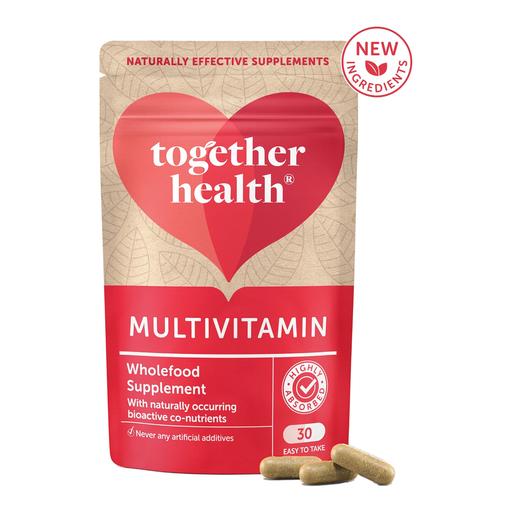
Why This Fits Their Persona: A one-capsule daily format offers a straightforward starting point for adults wanting broad nutritional coverage without building a complex supplement routine.
The label presents quantities for 21 vitamins and minerals per one-capsule serving, making comparison easier than an unclear proprietary blend.
Wholefood ingredients; vegan-friendly formula; includes vitamin D3, vitamin C, B vitamins, zinc, selenium and iodine.
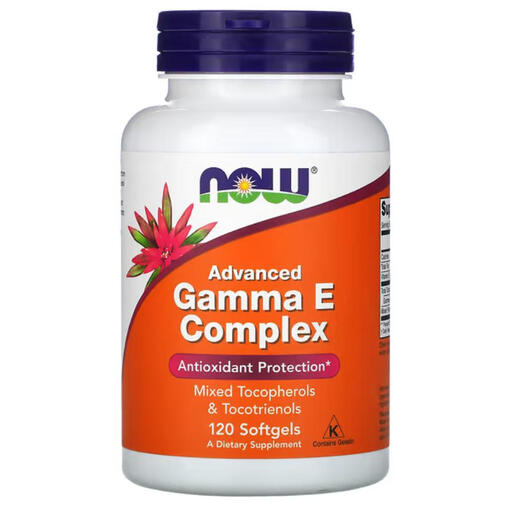
Why This Fits Their Persona: Suitable for adults comparing vitamin E formats and wanting a broader tocopherol and tocotrienol profile rather than a single-formula product.
It lists the individual vitamin E components and gives a one-softgel daily direction, rather than relying only on a general antioxidant claim.
120 softgels; mixed tocopherols and tocotrienols; non-GMO ingredients. Contains soy and bovine gelatin.
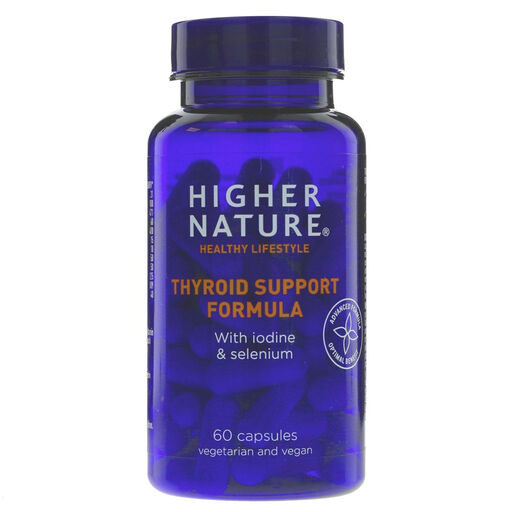
Why This Fits Their Persona: Designed for adults specifically comparing thyroid-focused nutritional formulas, including people seeking vegan and vegetarian options.
The formula clearly identifies tyrosine, iodine, selenium, zinc and supporting vitamins, helping shoppers assess it against existing products.
Two-capsule daily serving; vegetarian and vegan suitability stated; provides 60 micrograms of iodine and 60 micrograms of selenium per serving.
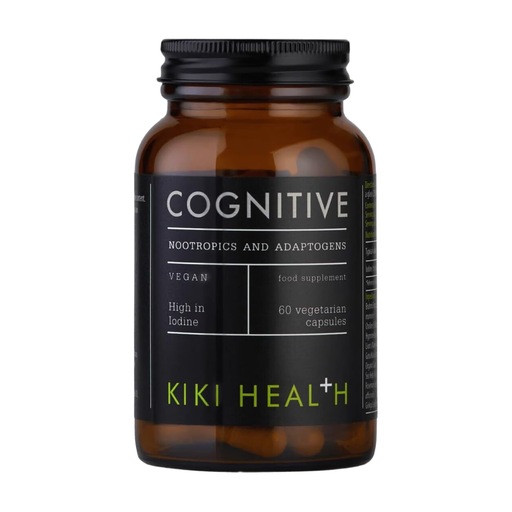
Why This Fits Their Persona: A practical option for adults specifically comparing herbal cognitive support supplements for focus and mental clarity, rather than seeking a general multivitamin.
The label states the amount of Bacopa extract and its 20% bacoside standardisation, alongside the quantities of the mushroom and herbal ingredients.
Vegan and gluten-free; two-capsule serving; contains Bacopa, Lion’s Mane, ginkgo, chaga, reishi and ashwagandha. Check medication warnings before use.
We have compiled a complete, real-time list of products that fully satisfy these strict selection criteria and UK safety regulations.
Start with a specific nutritional goal, then compare the active ingredient, amount per serving, dietary suitability, pack size and warnings. Avoid taking several products with overlapping nutrients unless a healthcare professional has advised you to do so.
Many are designed for daily use when taken as directed, but safety depends on the nutrient, dose, personal circumstances and other products or medicines. Read the label and seek advice from a pharmacist or GP if you have a medical condition, take medication, or are pregnant or breastfeeding.
Calculate the cost per recommended daily serving, rather than comparing bottle prices. Also check whether the stated pack size reflects one, two or more capsules per serving, and whether the product is intended for occasional or ongoing use.