
24/7 Customer Support

Free returns

Same-day & Next-day Delivery

Quality Guaranteed

Unlock Your Welcome Offers: FREE Delivery | Up to 80% OFF | Free 30-day JoyPlus trial
Download the APP
Choosing healthy breakfast cereals and snacks can be harder than it appears. Bright packaging may highlight whole grains, protein or fruit, while the nutrition panel tells a more detailed story. The right choice depends on serving size, ingredients, dietary needs and how the food fits into your daily routine.
Whether you need a quick breakfast before work, cereals for seniors, convenient breakfast foods for the family or snacks for an active lifestyle, these checks can help you avoid paying for attractive claims that do not match your needs.
Granola with fruit and nuts may contain appealing ingredients, but dried fruit, syrups and added sugar can increase the total sugar content. Similarly, a high-protein cereal should be assessed by its protein per 100g and realistic serving size, rather than by front-of-pack wording alone.
For comparison, Jordans Crunchy Oat Granola Fruit & Nut lists 10g of protein and 24g of sugars per 100g, while Weetabix Protein Cereal lists 19g of protein and 4.7g of sugars per 100g. These are different products for different routines, not interchangeable choices.
Sugar-free products may use sweeteners such as isomaltitol, erythritol or steviol glycosides. They can still contain considerable energy from nuts, seeds, oils or other ingredients. Huanglaowu Sugar-Free Black Sesame Crisps, for example, contain 80% black sesame seeds and provide 40.6g of fat per 100g. That does not make them unsuitable, but portion control remains relevant.
“Gluten-free” and “wheat-free” are not terms to treat casually. Check the product label, allergen declaration and any statement about shared facilities. Oats may also require careful checking for people who need to avoid gluten. Products containing milk, soya, nuts, peanuts, sesame or egg should be assessed before purchase, particularly when buying for children, older relatives or anyone with a diagnosed allergy.
Use the per 100g panel to compare products consistently, then check the suggested portion. A 30g portion of cereal may look modest beside a large bowl, while snack bars are often individually portioned for easier control.
Useful figures to compare include:
Nutrition claims should not replace a varied diet. A product can be high in fibre or protein while still containing substantial sugar or fat.
Ingredients are listed in descending order by weight. Look for oats, wholegrain wheat, nuts, seeds or fruit near the beginning if those are important to you. For a gluten-free crispbread or gluten-free wafers, confirm the product’s stated status and read the allergen information each time, as formulations can change.
Examples across this range include:
Resealable bags can help maintain cereal texture, while individually wrapped bars and sachets are useful for desks, lunch bags and travel. Frozen products require a reliable freezer at -18°C or colder, and thawed ice cream should not be refrozen. Always follow the best-before or storage instructions printed on the packaging.
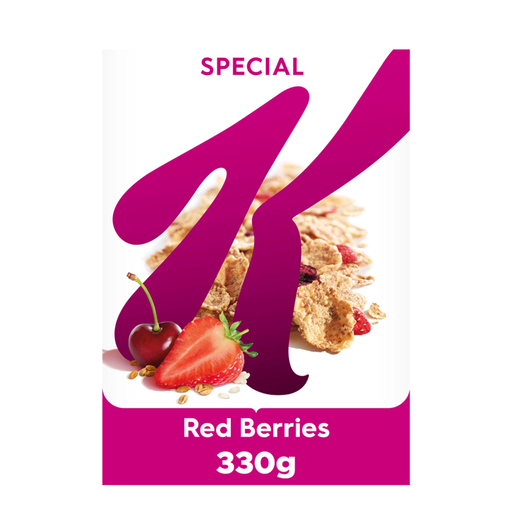
Why This Fits Their Persona: A familiar everyday cereal with a 30g serving reference, suitable for shoppers wanting a straightforward breakfast with rice, whole wheat, barley and freeze-dried red fruits.
The label provides per-100g and per-30g information, making it easier to distinguish a measured portion from an oversized bowl.
Provides 6.6g fibre and 8g protein per 100g, with 330g net weight and no artificial colours, flavours or preservatives listed.
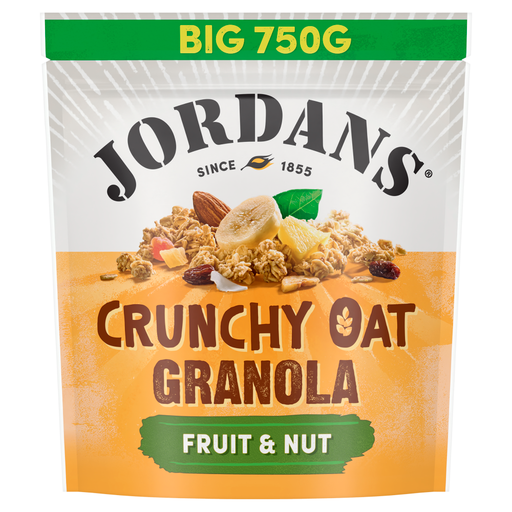
Why This Fits Their Persona: A larger 750g option for households that prefer crunchy granola with dried fruit, almonds, coconut, dates and sunflower seeds.
Its stated portion is 45g, helping shoppers assess the energy and sugar contribution rather than relying on the word “natural”.
Contains 66% wholegrain oat flakes, 6.1g fibre per 100g and a resealable closure. Contains almonds and cereals containing gluten.

Why This Fits Their Persona: Designed for shoppers who prioritise protein and a practical multi-pack for regular breakfasts, including vegetarian and vegan shoppers.
The protein figure is stated clearly as 19g per 100g, rather than presenting protein only as a vague front-of-pack suggestion.
Lists 9.9g fibre and 4.7g sugars per 100g, with wholegrain wheat as the main ingredient. Contains wheat and gluten.

Why This Fits Their Persona: A shelf-stable base for packed lunches, savoury toppings, soups or quick snacks when wheat-free alternatives are needed.
The ingredient and allergen details identify corn, rice and psyllium, while noting that the facility handles soya.
Provides 5g fibre and 5g protein per 100g, with 2.5g sugars per 100g. Contains no allergens in the listed ingredients.
We have compiled a complete, real-time list of products that fully satisfy these strict selection criteria and UK safety regulations.
Compare the per-100g values, ingredient order, fibre, protein, sugars and portion size. A cereal containing whole grains can still be high in sugar, while granola with fruit and nuts may be more energy-dense than standard flakes. Choose according to your wider diet and serving habits.
They can be convenient, particularly when supplied in individual sachets requiring only boiling water. Check the preparation instructions, allergens and nutrition panel. Some products include sugar, milk powder, soya or non-dairy creamer, so they may not suit every dietary requirement.
Keep dry cereals, crispbread, wafers and fruit and nut bars in a cool, dry place, sealing the packaging after opening. Store protein ice cream in a freezer at -18°C or colder and do not refreeze it after thawing. Always use the product label as the final reference for storage and best-before information.