
24/7 Customer Support

Free returns

Same-day & Next-day Delivery

Quality Guaranteed

Unlock Your Welcome Offers: FREE Delivery | Up to 80% OFF | Free 30-day JoyPlus trial
Download the APP
Navigating the cereal aisle can feel like a chore. Packaging adorned with claims of "wholegrain goodness" or "natural ingredients" often masks a less-than-healthy reality. Many of us have bought a box of what we thought was a nutritious start to the day, only to find it's packed with sugar or leaves us feeling hungry an hour later. As the Joybuy Product Recommendation Officer, my role is to help you see past the marketing jargon and make choices that genuinely fit your lifestyle and wellness goals.
This guide will break down the common pitfalls to avoid when shopping for healthy breakfast cereals and highlight the key factors that truly matter.
Before you even pick up a box, be aware of these frequent marketing tactics that can lead to a disappointing purchase.
To make a confident choice, focus on these three non-negotiable parameters on the nutritional label.
The most reliable way to compare cereals is to check the "of which sugars" value per 100g. This gives you a standardised measure, unlike misleading per-serving values. As a general guide in the UK:
Opting for cereals in the lower range gives you control, allowing you to add sweetness with fresh fruit if you wish.
Look for the word "wholegrain" at the very top of the ingredients list. This means the cereal includes all three parts of the grain—the bran, germ and endosperm—providing more fibre, vitamins and minerals. A high fibre cereal (generally over 6g of fibre per 100g) helps with digestion and keeps you feeling fuller for longer, preventing mid-morning snack cravings. Porridge oats are an excellent example of a single-ingredient wholegrain food.
If you are looking for cholesterol lowering foods, pay attention to oat beta-glucan. This is a type of soluble fibre found in oats that has been shown to help lower blood cholesterol. A daily intake of 3g of oat beta-glucan is suggested to contribute to this effect. Many oat-based products will state how much beta-glucan a single serving provides, making it easy to track your intake.
Here are a few options that align with these principles, matched to different needs and lifestyles.
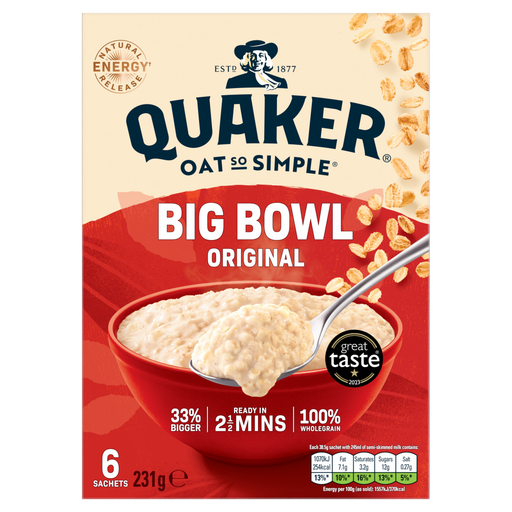
Why This Fits Their Persona: For those needing one of the quickest breakfast ideas, this instant porridge is ready in just over two minutes. The individual sachets are perfect for taking to the office, and the larger portion size is more satisfying than standard sachets.
This original version contains no added sugar (only 1.0g per 100g), completely avoiding the hidden sugar trap. You have full control over toppings and sweetness.
Made with 100% British wholegrain oats and provides a source of oat beta-glucan. Unbeatable convenience without compromising on the base ingredient's quality.
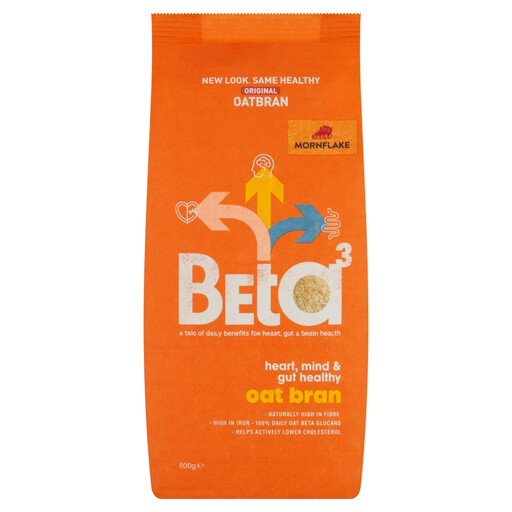
Why This Fits Their Persona: This product is specifically designed for those actively looking to manage their cholesterol. It's a concentrated source of the key active ingredient needed, making it a purposeful addition to their diet.
It avoids vague health claims by being very specific. The packaging states that a 45g portion provides 3g of beta-glucans, which is the full suggested daily amount for cholesterol-lowering effects.
Extremely high in fibre (19.4g per 100g) and protein (16.0g per 100g). It can be made into a porridge or added to other cereals, yogurts or smoothies for a nutritional boost.
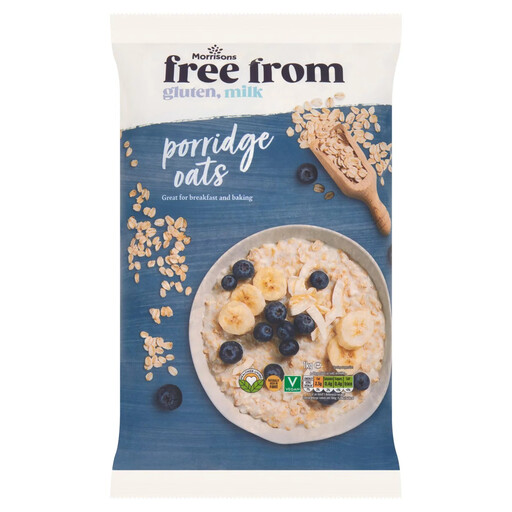
Why This Fits Their Persona: For individuals with coeliac disease or a gluten intolerance, finding a safe and reliable oat product is essential. This large 1kg bag offers great value and versatility for both breakfasts and gluten-free baking.
It avoids the common pitfall of assuming all oats are gluten-free. Standard oats are often cross-contaminated with wheat or barley during processing. These are specifically certified as gluten free oats.
A single-ingredient product (100% Gluten Free Oat Flakes) with no hidden sugars or additives. It's a pure, simple base for a healthy breakfast that meets a critical dietary need.
We have compiled a complete, real-time list of products that fully satisfy these strict selection criteria and UK safety regulations.
It can be, but you must check the label carefully. Many commercial granolas are very high in sugar and fat due to added oils and syrups used in the baking process. Look for options with less than 10g of sugar per 100g and a high wholegrain oat content. Alternatively, making your own at home is a great way to control the ingredients.
To get the suggested 3g of oat beta-glucan per day, you would typically need to eat a bowl of porridge made from around 70g of traditional porridge oats. Some specialised products, like oat bran, are more concentrated and allow you to reach this target with a smaller portion (around 40-45g). Always check the product's packaging for specific details.
Porridge oats are typically rolled or cut oats that are cooked with a liquid (like milk or water) to form a warm, creamy dish. Muesli, on the other hand, is a raw mix of rolled oats, other grains, nuts, seeds and dried fruits. It is usually served cold with milk, yogurt or fruit juice and has a chewier texture.