
24/7 Customer Support

Free returns

Same-day & Next-day Delivery

Quality Guaranteed

Unlock Your Welcome Offers: FREE Delivery | Up to 80% OFF | Free 30-day JoyPlus trial
Download the APP
Navigating the cereal aisle can feel like a chore. Shelves are packed with boxes promising a "wholesome start" or "natural goodness," but the reality behind the marketing can be quite different. Many of us have bought a cereal thinking it was a nutritious choice, only to find it's not much better than a bowl of biscuits. As a Joybuy Product Recommendation Officer, my role is to help you see past the hype and make choices that genuinely fit your needs.
This guide will walk you through the common pitfalls to avoid and the key factors to check, helping you find healthy breakfast cereals that are both delicious and truly beneficial.
Before you add a box to your basket, be aware of these frequent marketing tactics that can lead to a disappointing purchase.
To make an informed choice, focus on the nutritional information panel. Here are the three most important things to check per 100g, which allows for an easy comparison between products.
Instead of a one-size-fits-all approach, the right cereal depends on your personal goals and lifestyle. Here are a few options matched to different needs.
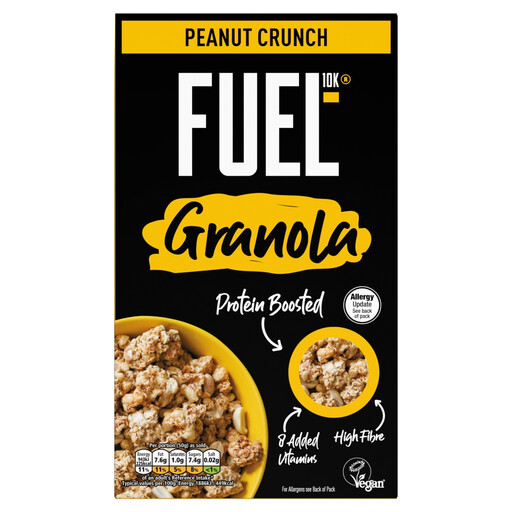
Why This Fits Their Persona: This granola is specifically formulated for those with an active lifestyle. It provides a substantial protein boost to support muscle recovery and satiety, making it an ideal post-workout or morning fuel. It's also a suitable vegan breakfast cereal.
It sidesteps the "protein-washed" trap by delivering a genuinely high protein content of 17.2g per 100g from wholegrain oats, wheat protein and roasted peanuts.
Fortified with B vitamins and Vitamin E to support energy metabolism. The chunky clusters and peanuts provide a satisfying texture.
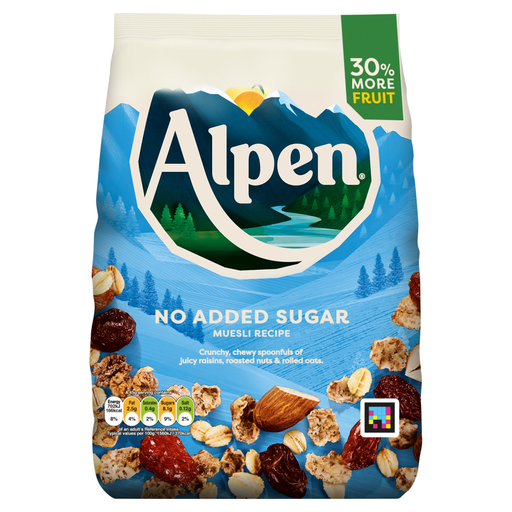
Why This Fits Their Persona: Perfect for those who want a classic, no-fuss fruit and nut muesli. It provides a versatile base that can be customised with fresh fruit or yogurt, and the large pack size offers great value for daily consumption.
This muesli directly counters the hidden sugar trap by having no added sugar. The sweetness comes naturally from raisins and the sugar content (18g/100g) is transparently from fruit and milk powders.
High in fibre (8.0g per 100g) and made with a base of 75% wholegrains (wheat and oats), making it a genuinely wholesome choice.
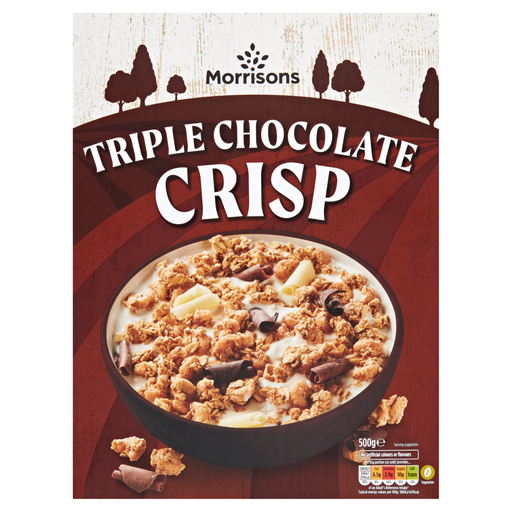
Why This Fits Their Persona: For those who want a treat without completely abandoning nutrition. This chocolate granola delivers a rich flavour with milk, dark and white chocolate, making it a satisfying weekend breakfast or a crunchy snack.
While high in sugar (22.3g/100g), it avoids being just empty calories. The formulation is committed to using wholegrains and being higher in fibre than many purely indulgent options.
The base of oat flakes, wheat flakes and crisped rice provides a more complex texture and nutritional profile than a standard sugary cereal.
We have compiled a complete, real-time list of products that fully satisfy these strict selection criteria and UK safety regulations.
The main difference lies in the preparation. Muesli is typically a raw mix of rolled oats, other grains, nuts, seeds and dried fruit. It's unbaked and has a softer, chewier texture. Granola starts with similar ingredients but is baked with oil and a sweetener (like honey or syrup). This process creates crunchy clusters but often results in a higher fat and sugar content.
As mentioned, the serving size on the box (30-45g) is often smaller than what people actually eat. To get a better handle on your intake, try using a measuring cup or kitchen scales for a week. This will help you visualise a standard portion and manage your consumption of sugar and calories more effectively.
Yes, it's becoming much easier. Many muesli products are naturally vegan, but you should always check the ingredients for milk powder or whey. For granolas, the key is to check for honey, which is not considered vegan. Brands like Fuel10K offer clearly labelled vegan breakfast cereal options, taking the guesswork out of your shopping. When you want to buy cereal online UK, using the filter for dietary needs can save a lot of time.