
24/7 Customer Support

Free returns

Same-day & Next-day Delivery

Quality Guaranteed

Unlock Your Welcome Offers: FREE Delivery | Up to 80% OFF | Free 30-day JoyPlus trial
Download the APP
Navigating the cereal aisle can feel like a complicated task. Boxes with vibrant pictures of fruit and claims of "wholegrain goodness" call for your attention, yet a quick look at the small print often tells a different story. Many UK shoppers find themselves with a breakfast that is less healthy than they were led to believe, often loaded with hidden sugars and refined carbohydrates.
As the Joybuy Product Recommendation Officer, my role is to help you see past the marketing clutter. This guide will highlight the common pitfalls to watch for and provide clear, practical criteria for choosing a genuinely healthy breakfast cereal that suits your lifestyle and dietary needs.
Before you choose your next box of granola or muesli, be aware of these frequent marketing tactics that can lead to a disappointing purchase.
low sugar cereal should be low in total sugars, not just free from refined white sugar. Syrups, honey and fruit juice concentrates all contribute to the total sugar content.no added sugar muesli can be packed with dried fruit, which is naturally high in sugar. While these are not "added" sugars in the traditional sense, they still impact the overall sugar content of your breakfast.To make an informed choice, focus on these two core parameters. They provide a reliable framework for assessing any breakfast cereal, from a simple wholegrain cereal to a specialised keto granola.
The "per 100g" column is your most valuable tool for making like-for-like comparisons. Here is what to look for:
high protein granola can be a great option. A protein content of over 10g per 100g is a good benchmark.Ingredients are listed in order of weight, from highest to lowest. This gives you a clear picture of what the cereal is primarily made of.
Granola is typically made from oats that are baked with oil and a sweetener (like honey or syrup) to create crunchy clusters. Muesli is traditionally an unbaked mix of rolled oats, grains, nuts, seeds and dried fruit.gluten-free muesli, the packaging must state it contains gluten-free oats. For a vegan breakfast cereal, ensure there is no honey, milk powder or other animal-derived ingredients.Based on these practical criteria, here are a few recommendations from our catalogue, matched to different needs and preferences.
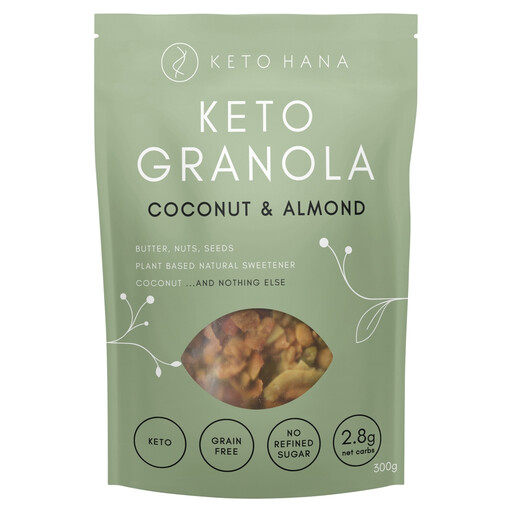
Why This Fits Their Persona: This keto granola is specifically formulated for those on a very low-carbohydrate diet. Instead of oats, its base is a blend of coconut, seeds and nuts, providing healthy fats and protein without the high carb load of traditional cereals.
It completely sidesteps the high-sugar and high-carb pitfalls by eliminating grains. With only 5g of sugar per 100g and using sweeteners like erythritol and stevia, it offers a crunchy texture without the sugar rush.
Extremely low in carbohydrates (15g per 100g) and high in protein (15g per 100g), making it ideal for maintaining a ketogenic state.
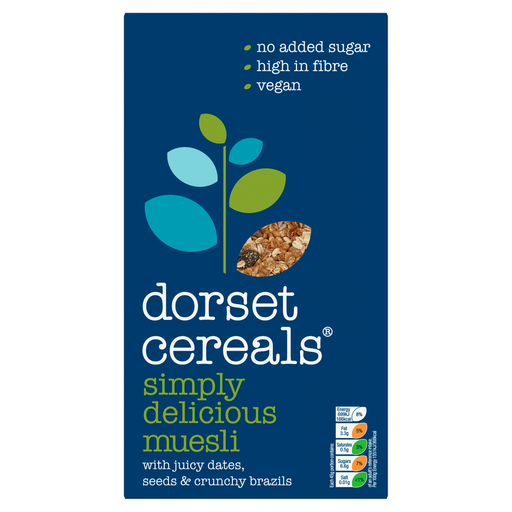
Why This Fits Their Persona: For those seeking a classic, uncomplicated breakfast, this no added sugar muesli is an excellent choice. It's a simple blend of wholegrain flakes, juicy dates, crunchy seeds and Brazil nuts, making it a satisfying and wholesome start to the day.
This muesli directly counters the "no added sugar" misconception. While it contains 14.7g of sugar per 100g, this comes entirely from the 20% dried fruit content, not from added syrups or refined sugars.
High in wholegrain and fibre (9.0g per 100g) to promote digestive health and satiety. It is also suitable for a vegan diet.
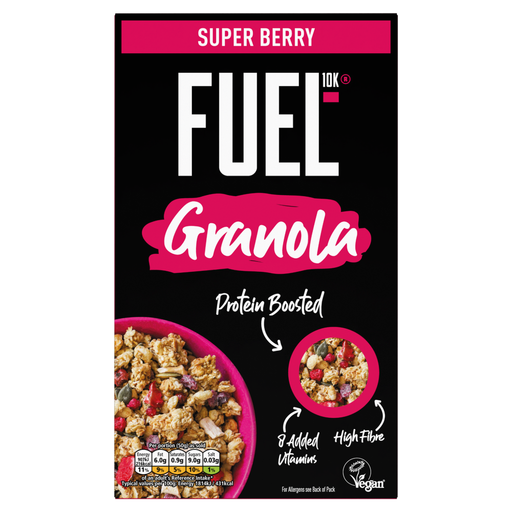
Why This Fits Their Persona: This high protein granola is designed to support an active lifestyle. It combines chunky oat clusters with a berry granola mix and is fortified with protein and vitamins to help with energy levels and muscle maintenance.
While it contains 18g of sugar per 100g, it avoids being just "empty calories." The high protein content provides a functional benefit that is a priority for this user, offering more sustained energy than a high-sugar, low-protein alternative.
Features a high protein content of 15.9g per 100g and is fortified with a blend of B vitamins to support energy metabolism.
We have compiled a complete, real-time list of products that fully satisfy these strict selection criteria and UK safety regulations.
1. What is the main difference between granola and muesli? The primary difference is in the preparation. Muesli is typically a raw, untoasted mix of rolled oats, other grains, nuts, seeds and dried fruits. Granola consists of similar ingredients but is baked with a sweetener (like honey or syrup) and oil, which creates the crunchy, sweet clusters that many people enjoy. This baking process often means granola has a higher sugar and fat content than muesli.
2. How much sugar is too much in a "healthy" breakfast cereal? There is no single official figure, but a useful guideline is to check the "of which sugars" per 100g.
3. Is a gluten-free cereal automatically a healthier option? Not necessarily. A gluten-free muesli or granola is essential for individuals with coeliac disease or a gluten intolerance. However, "gluten-free" does not automatically mean "healthier." Some gluten-free products compensate for the change in texture or flavour by adding more sugar, fat or salt. It is just as important to read the full nutritional label and ingredients list on a gluten-free product as it is on any other cereal.