
24/7 Customer Support

Free returns

Same-day & Next-day Delivery

Quality Guaranteed

Unlock Your Welcome Offers: FREE Delivery | Up to 80% OFF | Free 30-day JoyPlus trial
Download the APP
From a quick bowl of breakfast cereal to hearty cooking grains for dinner, cereals and grains are a staple in most UK households. Yet, the sheer variety can be overwhelming. The aisles are filled with bright boxes and bold claims, making it difficult to distinguish between a genuinely nutritious choice and a cleverly marketed product. As your Joybuy Product Recommendation Officer, my role is to help you see past the hype and make choices that suit your family's needs and budget.
Many of us have been caught out by common shopping pitfalls. Let's look at a couple of the most frequent ones so you can avoid them on your next shop.
To avoid these traps, it pays to become familiar with reading the packaging properly. It only takes a few seconds and can make a significant difference to the nutritional value of your shop.
The single most useful tool at your disposal is the nutritional information panel. To get a true comparison between different products, always refer to the per 100g column. This provides a standardised measure, unlike the "per serving" column, which can vary wildly between brands. Pay close attention to:
Not all grains are created equal, and their suitability depends on your needs.
To help you find a starting point, here are a few products matched to different household needs, all of which stand up to scrutiny based on the principles above.
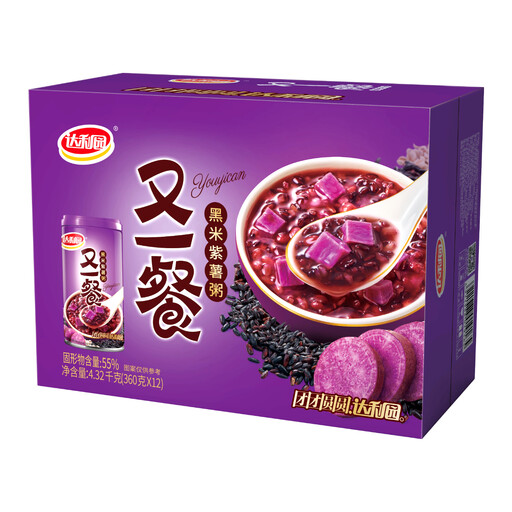
Why This Fits Their Persona: For those with hectic mornings, this ready-to-eat porridge requires zero preparation. It can be consumed straight from the can, hot or cold, making it a perfect desk-side breakfast or a quick, nourishing snack.
This product comes in a single, pre-defined portion, removing the guesswork of the "portion size illusion." The ingredients list is clear, featuring a blend of grains like black rice, oats and buckwheat.
Ultimate convenience combined with a satisfying texture and a balanced mix of different grains for a more complex nutritional profile than a simple sugar-based cereal.

Why This Fits Their Persona: Ideal for those with an active lifestyle or anyone looking to increase their protein intake. It provides a high-protein start to the day to help maintain muscle mass as part of a balanced diet.
This product directly counters the "healthy halo" trap. Its protein claim is backed by a clear nutritional value (19g of protein per 100g), and its sugar content is low (4.7g per 100g), making it a genuinely functional choice.
High in protein and fibre, made from 92% wholegrain wheat and fortified with iron and vitamins. It's a robust choice for a filling and functional breakfast.
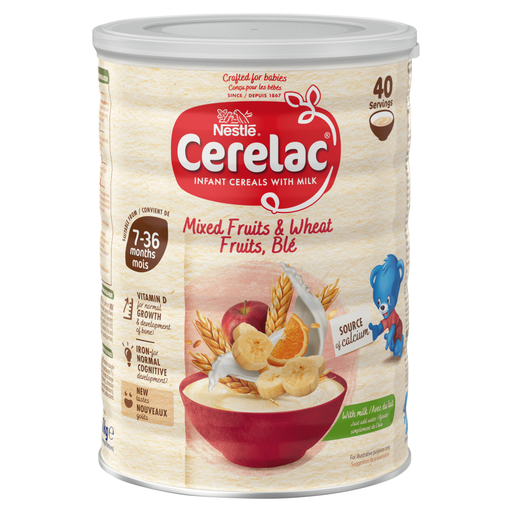
Why This Fits Their Persona: Specifically designed for the weaning journey from 7 months, this infant cereal is fortified with key nutrients to support growth and development, taking the guesswork out of providing a balanced meal for a baby.
This product is not a general-purpose cereal; it is formulated for a specific age group. The clear instructions for preparation ensure parents can provide the correct portion size for their baby's needs.
Enriched with iron to support normal cognitive development, plus calcium and vitamin D for bone growth. It's a purpose-built food for a crucial developmental stage.
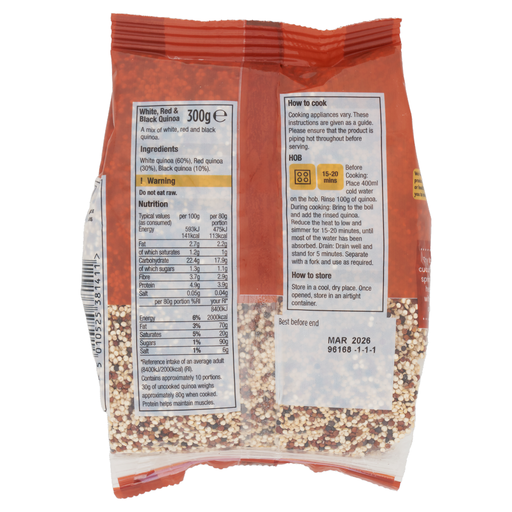
Why This Fits Their Persona: For the home cook who enjoys building meals from scratch, this tri-colour quinoa blend is a versatile and nutritious base. It's perfect for creating vibrant salads, hearty grain bowls, or as a substitute for rice or couscous.
As a raw ingredient, it puts you in complete control. You decide the portion size, and you control the amount of salt, sugar or fat added during cooking, completely bypassing the pitfalls of processed foods.
A naturally gluten-free source of plant-based protein and fibre. The blend of white, red and black quinoa offers a pleasant variety of textures and a visually appealing result in any dish.
We have compiled a complete, real-time list of products that fully satisfy these strict selection criteria and UK safety regulations.
Plain porridge and oats are a fantastic blank canvas. Instead of buying pre-flavoured sachets, which can be high in sugar, start with plain rolled oats. You can then add your own toppings, giving you full control over the flavour and nutritional content. Try adding a handful of fresh berries, a sprinkle of seeds for texture, a swirl of nut butter for protein or a small drizzle of honey or maple syrup.
Ready-to-eat congee can be a wonderfully convenient and comforting meal, especially when you're short on time. Like any pre-prepared food, the key is to check the label. Look for options with a varied grain mix and check the per 100g values for sugar and salt. They can certainly be part of a balanced diet and are a great alternative to more heavily processed snacks.
When choosing a baby infant cereal, the most important factors are age-appropriateness and nutritional fortification. Look for cereals specifically designed for your baby's current stage (e.g., 6+ months, 7+ months). Iron fortification is particularly important, as it supports normal cognitive development. It's also wise to check the ingredients for added sugars; many options are available that are sweetened only with milk or fruit.