
24/7 Customer Support

Free returns

Same-day & Next-day Delivery

Quality Guaranteed

Unlock Your Welcome Offers: FREE Delivery | Up to 80% OFF | Free 30-day JoyPlus trial
Download the APP
As a dog owner in the UK, you want to provide the very best for your companion. Navigating the world of dog food, however, can feel like a minefield of confusing labels and marketing claims. Choosing the right healthy dog food is about more than just picking the bag with the prettiest picture; it's about understanding what truly benefits your dog's long-term well-being.
This guide, from my perspective as a Joybuy Product Recommendation Officer, is designed to help you cut through the clutter. We'll look at common purchasing pitfalls and break down the essential factors to consider, helping you make an informed choice for your furry family member.
Many well-intentioned owners are led astray by clever marketing. Here are three frequent traps to be aware of:
To avoid these traps, focus on a few key parameters when reading the label. This empowers you to assess a product's quality for yourself.
The most important part of any dog food label is the list of ingredients, which is always ordered by weight.
This section provides a guaranteed analysis of the food's nutritional makeup. The key figures to check are:
Certain additives can provide targeted health support. For owners concerned about cardiovascular wellness, looking for specific supplements in dog food for heart health is wise. Key ingredients include:
Based on these practical criteria, here are a few options that align with different owner needs and priorities.
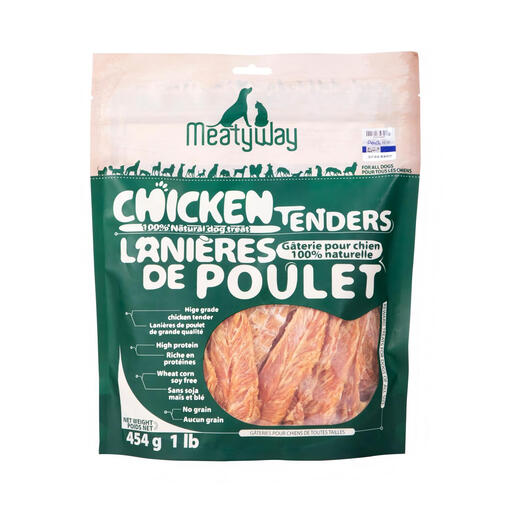
Why This Fits Their Persona: This owner needs effective, high-value rewards that don't compromise their dog's healthy diet. These treats are perfect for reinforcing good behaviour during training sessions without adding junk calories.
It directly counters the 'overlooked treat nutrition' pitfall. Made with 100% real chicken and no grains, fillers or artificial additives, it's a simple, wholesome choice.
High protein (min. 30%) and a soft texture make it highly motivating and easy to digest. The simple recipe is ideal for dogs with sensitive stomachs.

Why This Fits Their Persona: This owner is actively seeking a diet to support their dog's cardiovascular health. They read labels for specific beneficial ingredients and want a complete, balanced meal they can trust.
It avoids the 'natural illusion' by being transparent. It's a grain-free recipe using British & Irish farmed meats and is enriched with specific, named additives for heart health.
Contains Taurine and L-carnitine to support heart muscle function, plus plant-based Omega-3 from algae oil. These are the specific ingredients a proactive owner looks for.
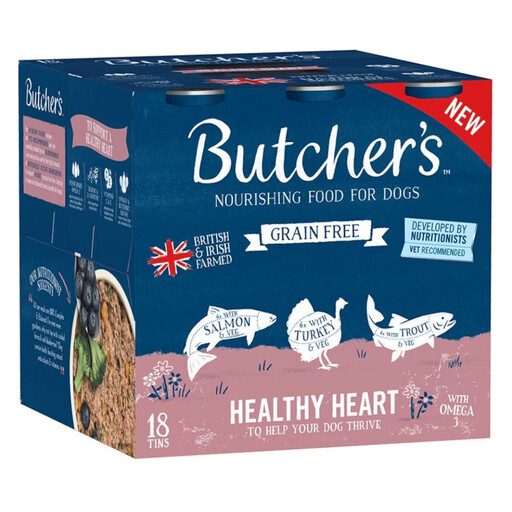
Why This Fits Their Persona: For households with multiple dogs or those who prefer to stock up, this larger pack offers convenience and value without compromising on the specialised nutrition their dogs require.
This pack provides a consistent, high-quality diet. It prevents the need for last-minute purchases of potentially lower-quality alternatives when supplies run low.
Offers the same heart-supportive, grain-free formula as the smaller pack but in an economical 18-can format. The variety pack with three flavours also keeps meal times interesting.
We have compiled a complete, real-time list of products that fully satisfy these strict selection criteria and UK safety regulations.
To avoid digestive upset, it's important to transition your dog to a new food gradually over 7-10 days. Start by mixing a small amount of the new food (around 25%) with their old food (75%). Every few days, increase the proportion of the new food while decreasing the old, until you have fully switched over.
Neither is inherently "better"; they simply have different benefits. Wet dog food tins have a high moisture content, which is great for hydration and can be more palatable for picky eaters. Dry food (kibble) is often more convenient to store and can help with dental hygiene through the mechanical action of chewing. Many owners find that a mix of both works well for their dogs.
Not necessarily. As mentioned, many grain-free foods substitute grains with other carbohydrate sources like potatoes, sweet potatoes or lentils. If you need to manage your dog's carbohydrate intake for specific health reasons, it's crucial to check the full ingredient list and analytical constituents, rather than just relying on the "grain-free" label.