
24/7 Customer Support

Free returns

Same-day & Next-day Delivery

Quality Guaranteed

Unlock Your Welcome Offers: FREE Delivery | Up to 80% OFF | Free 30-day JoyPlus trial
Download the APP
As a dog owner in the UK, navigating the world of dog food can feel overwhelming. Shelves are packed with bags and tins all claiming to be the perfect choice for your companion. But with so much marketing noise, it's easy to fall into common traps that don't benefit your dog's health or your wallet.
My role as a Joybuy Product Recommendation Officer is to help you see past the hype. Let's look at the most frequent pitfalls and how to choose a genuinely healthy dog food that meets your dog's specific needs.
To make an informed choice, focus on the facts printed on the packaging. Here are the key areas to analyse.
The ingredients are listed by weight, so the first few items make up the bulk of the food. Look for these positive signs:
This table on the back of the pack gives you a breakdown of the food's nutritional content.
Neither is inherently better; the right choice depends on your dog's needs.
Based on these principles, here are some options tailored to different needs, helping you avoid the common pitfalls.
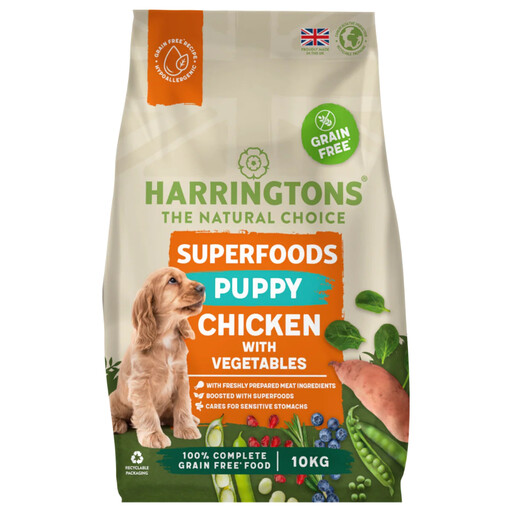
Why This Fits Their Persona: This is for UK owners who need a nutritionally complete puppy food to support healthy growth. The smaller kibble size is designed for smaller mouths and the formula is tailored for a puppy's higher energy and developmental needs.
It avoids the "one-size-fits-all" approach by providing a specific formula for puppies, with 30% protein and 14% fat to fuel growth, rather than using an adult dog formula.
Features chicken as the primary ingredient and is a grain-free dog food, making it gentle on a puppy's developing digestive system. Includes salmon oil for Omega-3.
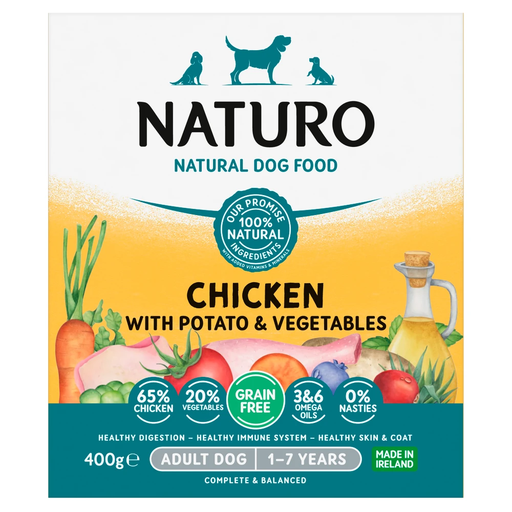
Why This Fits Their Persona: Ideal for owners seeking a hypoallergenic dog food UK option. This wet food's simple recipe and high moisture content are often well-tolerated by dogs with digestive sensitivities.
Cuts through the vague "natural" claims with a transparent ingredient list. It clearly states 65% chicken and 20% vegetables, with no artificial additives or common allergens like grain.
This is a great wet dog food for sensitive stomachs. It's grain-free and contains prebiotics to support gut health, plus Omega oils for skin and coat.
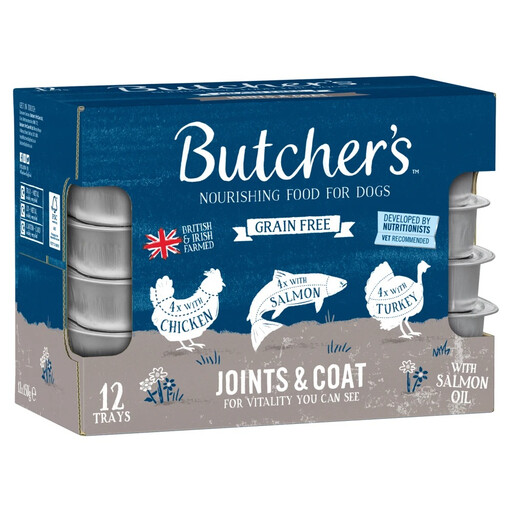
Why This Fits Their Persona: This is a practical choice for owners of senior dogs or very active breeds who are looking for a dog food for joints. The formula is designed to support mobility and coat health.
It moves beyond the simple "high protein" trap by focusing on functional ingredients. It includes green-lipped mussel (a natural source of glucosamine and chondroitin) and salmon oil for targeted joint and coat support.
A grain-free recipe that is vet-recommended and enriched with Omega-3, zinc and biotin to specifically aid joint flexibility and maintain a healthy, glossy coat.
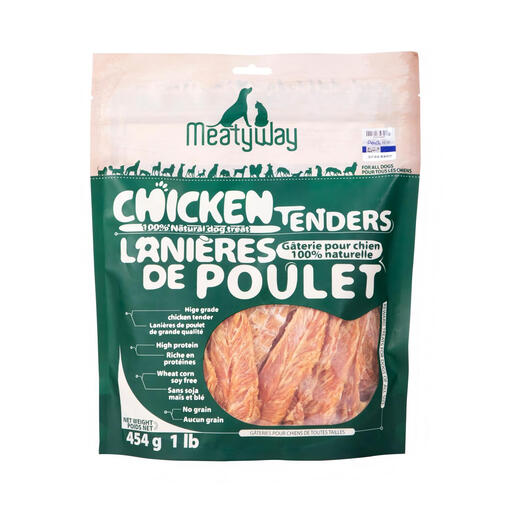
Why This Fits Their Persona: Perfect for owners who use treats for training or rewards and want to ensure they are giving something healthy. These are simple, high-value natural dog treats without unnecessary extras.
This product avoids the trap of treats filled with sugar, salt and fillers. The ingredient list is minimal and clear: 100% real chicken is the first and primary ingredient, with no grains or additives.
A high-protein (min. 30%), low-fat snack that is easy to digest. The soft texture can be broken into smaller pieces for training and the chewing action helps support dental health.
Many dogs have sensitivities to common proteins. If you're looking for alternatives, we have compiled a complete, real-time list of products that meet these strict selection criteria.
To avoid digestive upset, transition your dog to a new food gradually over 7-10 days. Start by mixing a small amount of the new food (around 25%) with their old food (75%). Every few days, increase the proportion of the new food until you have fully switched over.
Not necessarily. For most dogs, whole grains are a healthy source of energy and fibre. A grain-free dog food is primarily beneficial for dogs that have a diagnosed grain allergy or sensitivity. If your dog thrives on a diet with quality grains, there is no compelling health reason to switch.
This is a critical distinction. A "complete" food contains all the nutrients your dog needs for a balanced daily diet and can be fed on its own. A "complementary" food (like many treats or toppers) is not nutritionally balanced and should only be fed alongside a complete food. Always check the label to be sure.