
24/7 Customer Support

Free returns

Same-day & Next-day Delivery

Quality Guaranteed

Unlock Your Welcome Offers: FREE Delivery | Up to 80% OFF | Free 30-day JoyPlus trial
Download the APP
As a dog owner, you want to give your companion the very best. Navigating the world of dog treats can be confusing, with countless options all claiming to be good for your pet. It can be difficult to distinguish between genuine nutritional value and clever marketing. This guide is designed to help you understand what to look for in healthy dog treats, offering practical advice and a few carefully selected recommendations to make your choice easier.
Our focus is on treats made with quality ingredients that offer more than just a tasty snack. Whether you're training, rewarding or simply want to show some love, the right treat can support your dog's overall well-being.
Choosing a suitable treat involves looking beyond the appealing packaging. Here are a few key things to consider to ensure you're making a thoughtful choice for your dog.
The foundation of any healthy treat is its ingredients. Look for a short, understandable list that features real, whole foods. High-quality natural dog treats often list a source of animal protein, like chicken or duck, as the primary ingredient.
It's also wise to note what isn't on the list. Many owners prefer to avoid treats containing artificial colours, flavours and preservatives. Additionally, grain free dog treats can be a suitable option for dogs with known grain sensitivities or for owners who prefer to feed a grain-free diet.
A quick look at the guaranteed analysis on the packaging provides valuable insight. For active dogs or those needing to maintain lean muscle, high protein dog treats are an excellent choice. Protein is essential for muscle repair and overall health.
Conversely, if you are managing your dog's weight, low fat dog treats are a priority. These allow you to reward your dog without contributing excess calories to their diet. A treat can be both delicious and align with your dog's specific dietary needs.
Treats can serve different functions. Small, low-calorie treats are ideal for training sessions, while tougher, chewier options can provide long-lasting enjoyment.
Dog dental chews, for example, are designed with a specific texture that helps clean teeth through the natural mechanical action of chewing, which can aid in reducing plaque and tartar buildup. For keeping your dog mentally engaged, dog enrichment treats like dog-safe peanut butter can be spread on lick mats or used to stuff toys, turning snack time into a stimulating activity.
Based on their ingredients, nutritional profiles and functional benefits, here are a few options that stand out for health-conscious dog owners.
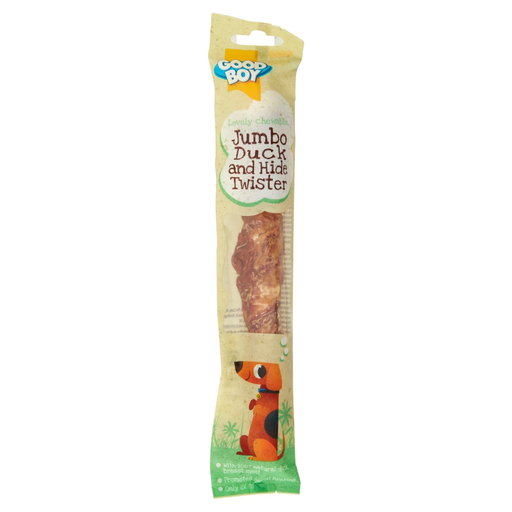
Why It Stands Out: This treat combines a high-value meat reward with a long-lasting chew. It is made with 100% natural duck breast meat wrapped around a rawhide twist, creating a satisfying texture that also helps promote dental hygiene.
Pros:
Who is it for: Owners looking for a long-lasting, high-protein and low-fat chew that doubles as a dog dental chew to keep their companion occupied.
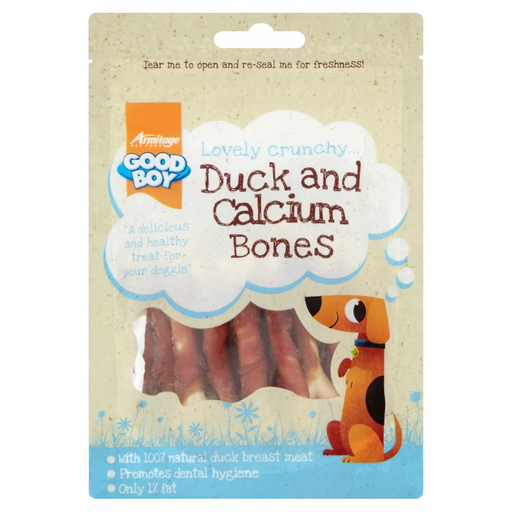
Why It Stands Out: These bone-shaped treats offer the dual benefit of a tasty duck reward and added calcium. They are an excellent choice for owners who want to support their dog's bone and dental health while managing their fat intake.
Pros:
Who is it for: Pet parents seeking a very low fat dog treat that provides the additional benefit of calcium, particularly for growing puppies (over 4 months) or senior dogs.
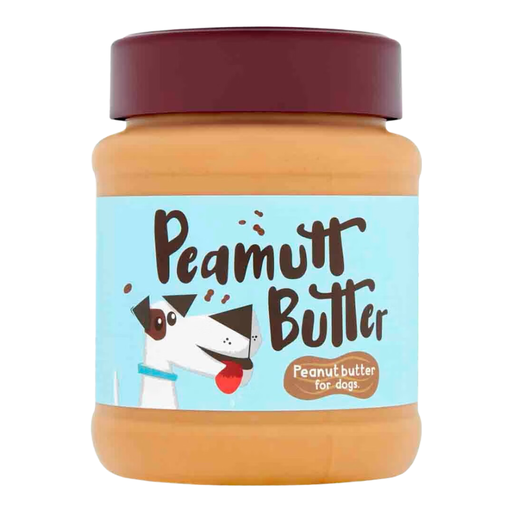
Why It Stands Out: This peanut butter is formulated specifically for dogs, containing no added salt, sugar or xylitol (which is toxic to dogs). Its versatility makes it a fantastic tool for enrichment and positive reinforcement.
Pros:
Who is it for: Owners looking for a versatile dog enrichment treat to combat boredom, assist with training or make giving medication a more pleasant experience.
Every dog has unique tastes and dietary requirements. If the options above aren't the perfect fit or if you're searching for crunchy biscuits and other varieties, we have a wider selection available.
Explore our full range of Dog Food Biscuits to find the ideal treat for your companion.
1. What makes a dog treat 'healthy'? A healthy dog treat is typically characterised by a simple, transparent ingredient list featuring whole foods like real meat or vegetables. It should have a balanced nutritional profile appropriate for your dog's needs and be free from artificial colours, flavours, preservatives and excessive amounts of salt, sugar or fat.
2. How many treats can I give my dog per day? A widely accepted guideline is that treats should not constitute more than 10% of your dog's total daily caloric intake. It is important to read the feeding recommendations on the product packaging, as the appropriate amount will vary based on the treat's size and calorie content, as well as your dog's age, breed and activity level.
3. Are grain-free dog treats a better choice?Grain free dog treats are an excellent option for dogs that have a diagnosed grain allergy or a sensitivity that causes digestive upset or skin irritation. However, for most dogs, grains are not inherently harmful and can be part of a balanced diet. The overall quality of the ingredients in a treat is more important than whether it simply contains grains or not.