
24/7 Customer Support

Free returns

Same-day & Next-day Delivery

Quality Guaranteed

Unlock Your Welcome Offers: FREE Delivery | Up to 80% OFF | Free 30-day JoyPlus trial
Download the APP
As a nation of dog lovers, we want to give our companions the very best. When it comes to treats, the shelves are packed with options all claiming to be healthy. But navigating the marketing claims can be a real challenge. Many well-intentioned owners in the UK find themselves spending money on products that don't live up to their "healthy" label. As your Joybuy Product Recommendation Officer, my role is to help you see past the hype and make informed choices for your dog.
Before you add another bag of treats to your basket, let's look at a few common pitfalls that can lead to poor choices and wasted money.
natural dog treat yet still contain low-quality fillers, ambiguous "meat derivatives" or high levels of fat. It's a marketing term that sounds reassuring but often lacks substance.To ensure you're buying genuinely healthy dog treats, focus on the facts on the back of the pack, not the marketing on the front. Here are the key parameters to scrutinise.
The ingredients are listed by weight in descending order. The first one or two ingredients should be a clearly named source of protein, such as "Chicken Meal", "Turkey" or "Fresh Fish", not vague terms like "Meat and Animal Derivatives." This is especially important for dogs with sensitivities. If you're seeking hypoallergenic dog treats, look for single-protein sources or novel proteins your dog hasn't eaten before. Similarly, for dogs with digestive issues, grain free dog treats that use sweet potato or peas instead of wheat or corn can be a gentler option.
Consider the purpose of the treat. Are you rewarding good behaviour, helping with a specific issue or just giving a snack?
puppy training treats or general obedience work, you need something small, soft and highly motivating. A high meat content usually makes a treat more appealing.calming dog treats may contain botanicals like camomile and valerian root. Low fat dog treats are designed for dogs on a weight management plan, typically with a fat content below 5%.Look for the "Analytical Constituents" on the packaging. This section provides a breakdown of the nutritional content. Pay close attention to the crude protein and crude fat percentages. A high-protein, low-fat treat is generally a good indicator of quality, especially for active or weight-conscious dogs. For single-ingredient meat treats, you can expect protein levels to be very high (often over 60%).
To help you apply this knowledge, here are some products matched to specific needs, all of which offer clear labelling and quality ingredients.
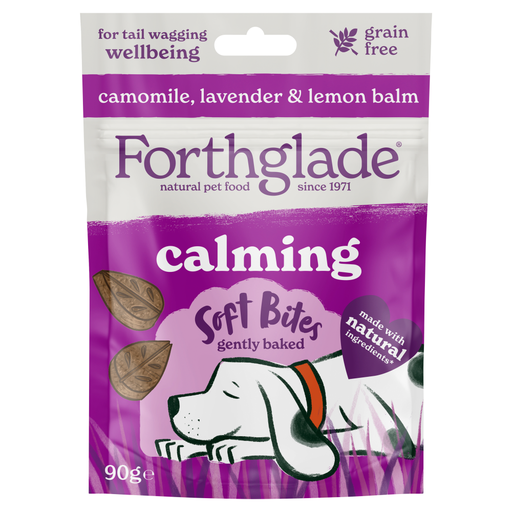
Why This Fits Their Persona: Ideal for owners in the UK looking to help their dog relax during stressful events like fireworks, car journeys or simply at bedtime. It's a functional treat with a clear purpose.
It avoids the "natural" illusion by specifying its functional ingredients: a blend of camomile, valerian root and lemon balm. The grain-free recipe also avoids common cheap fillers.
Contains a bespoke blend of botanicals for calming support. The soft-bite texture is suitable for puppies (from 2 months) and senior dogs.
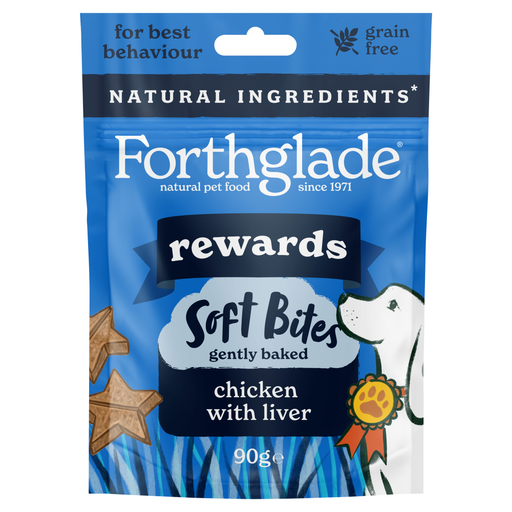
Why This Fits Their Persona: Perfect for owners actively engaged in training, from puppy classes to advanced obedience. They need a high-value reward that keeps their dog focused and motivated.
This treat sidesteps the "4% meat" trap with a clear declaration of 34% chicken content, ensuring it's a genuinely meaty and motivating reward, not a grain-based snack.
High protein (28%) and a soft texture that can be easily broken into smaller pieces make it an ideal, portion-controlled training aid.
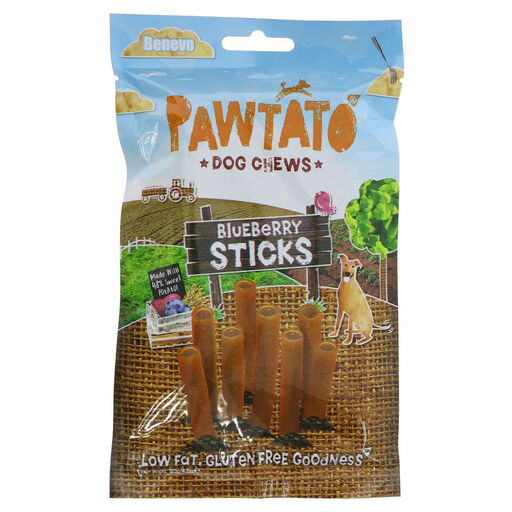
Why This Fits Their Persona: For the growing number of UK owners managing food sensitivities or choosing a plant-based diet for their pets. This is a go-to for those needing a `vegan dog treat` or a truly `hypoallergenic dog treat`.
It offers complete transparency by being free from common allergens like meat, dairy, soya, wheat and gluten. There are no ambiguous ingredients to worry about.
Made with organically grown sweet potato, it's naturally low in fat (0.5%) and contains no added sugar or salt, making it a genuinely clean and ethical choice.
We have compiled a complete, real-time list of products that fully satisfy these strict selection criteria and UK safety regulations.
The widely accepted guideline is that treats should not constitute more than 10% of your dog's total daily calorie intake. It's important to read the feeding guide on the specific product packaging, as treat sizes and calorie content vary significantly. Always remember to reduce your dog's main meal portion accordingly to prevent weight gain, and ensure fresh drinking water is available.
Not for every dog. Grain free dog treats are an excellent solution for dogs that have a diagnosed grain allergy or a sensitivity that causes skin irritation or digestive upset. For dogs without these sensitivities, high-quality whole grains can be a beneficial part of their diet. The most important factor is the overall quality of the ingredients, not just the absence or presence of grains.
When selecting puppy training treats, prioritise three things: size, texture and palatability. The treats should be small and low in calories, allowing you to reward your puppy frequently during a training session without overfeeding. A soft, chewy texture is ideal for young mouths, and a high meat or fish content will make the treat more enticing and effective as a motivator.