
24/7 Customer Support

Free returns

Same-day & Next-day Delivery

Quality Guaranteed

Unlock Your Welcome Offers: FREE Delivery | Up to 80% OFF | Free 30-day JoyPlus trial
Download the APP
As a devoted dog owner, you understand that a treat is more than just a reward; it's a way to show affection and support your companion's well-being. However, the sheer volume of options on the market can be overwhelming. With so many products claiming to be 'natural' or 'healthy', it can be difficult to distinguish marketing hype from genuine quality.
This guide is designed to help you navigate the choices with confidence. We'll break down what to look for in a high-quality treat and provide some practical recommendations to help you find a product that aligns with your dog's specific needs, whether that's for training, dental care or simply a wholesome snack.
Making an informed choice comes down to understanding a few key factors. By paying attention to ingredients, functional benefits and nutritional content, you can select treats that contribute positively to your dog's health.
The foundation of any healthy dog treat is its ingredients. When you're looking for natural dog treats UK suppliers offer, turn the packet over and read the composition list. Look for recognisable, whole-food ingredients at the top, such as real meat (e.g., chicken, duck, beef) or fish. A shorter, more understandable ingredient list is often a good sign.
Many owners are also opting for grain free dog treats, which can be a suitable choice for dogs with specific sensitivities or allergies to grains like wheat or corn. However, the absence of grain doesn't automatically make a treat healthy. The quality of the alternative ingredients, such as sweet potato or pea flour, is what truly matters. Avoid products with vague terms like "meat and animal derivatives" if you want to know exactly what you're feeding your pet, and steer clear of artificial colours, flavours and preservatives.
Modern dog treats can offer more than just good flavour. Many are formulated with ingredients to support specific aspects of your dog's health.
Treats should complement, not unbalance, a dog's diet. It's recommended that treats make up no more than 10% of your dog's daily calorific intake. For this reason, choosing low fat dog treats is a sensible approach, especially for less active dogs or those prone to weight gain. Check the "Analytical Constituents" section on the packaging for the fat content percentage. A high protein content is generally desirable, as it supports muscle maintenance, but the overall calorie count should be appropriate for your dog's size and activity level.
Based on our criteria of clear ingredients, functional purpose and balanced nutrition, here are some of our top recommendations for UK dog owners.
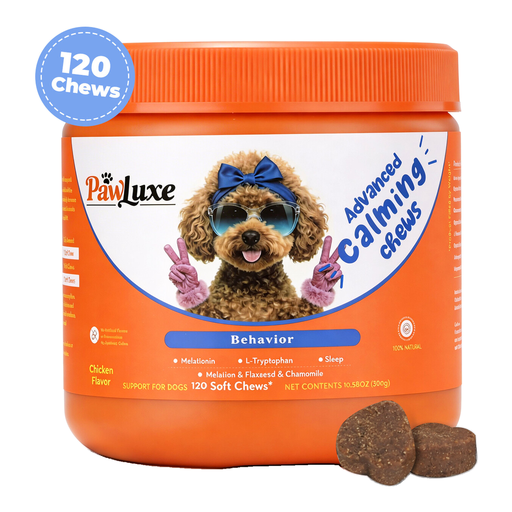
Why It Stands Out: These soft chews are formulated with a blend of ingredients intended to promote a sense of calm. The inclusion of organic chamomile, passion flower and L-theanine makes them a considered choice for stressful situations.
Pros:
Who is it for? Dog owners looking for a supplementary treat to help their pet manage situational stress, such as that caused by fireworks, travel or separation.
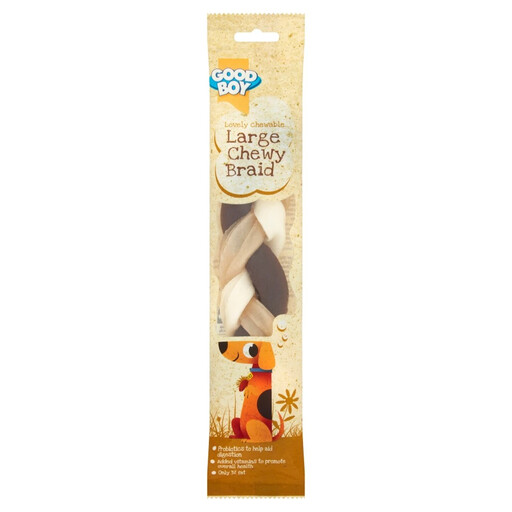
Why It Stands Out: This chewy braid combines a satisfying texture with a functional purpose. It is formulated with probiotics to help aid digestion, making it a treat that works a little harder.
Pros:
Who is it for? Owners of adult dogs who want to provide a high-protein, low-fat chew that also contributes to their pet's digestive well-being.
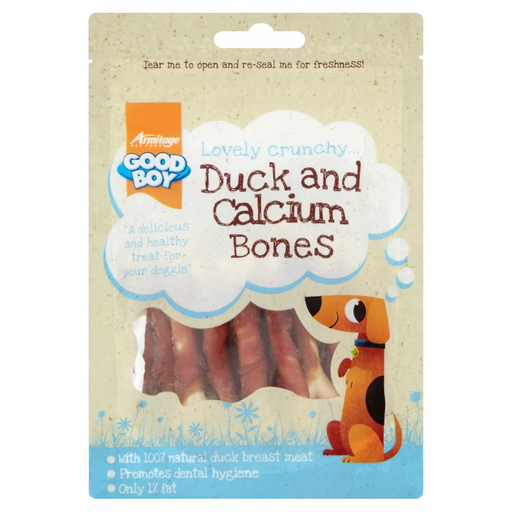
Why It Stands Out: This treat successfully combines high-quality protein with support for dental and bone health. Made with real duck and fortified with calcium, it's an excellent low-fat option.
Pros:
Who is it for? Health-conscious owners seeking a very lean, high-protein treat that also helps maintain their dog's dental hygiene and bone strength.
Every dog has unique preferences and dietary needs. If the recommendations above aren't quite what you're looking for, or if you'd like to see a wider variety of flavours and functional treats, there are many other high-quality options available.
Explore our full collection of premium dog treats to find the perfect match for your furry friend.
1. How many healthy treats can I give my dog each day? A widely accepted guideline is the 10% rule: treats should not make up more than 10% of your dog's total daily calorific intake. The exact number of treats will depend on their size, calorie content and your dog's activity level. Always check the feeding guide on the packaging for specific advice.
2. Are grain-free dog treats a better choice? Not necessarily for every dog. Grain-free formulas are most beneficial for dogs with a diagnosed grain allergy or sensitivity. For most dogs, the overall quality of the ingredients—whether they include grains or not—is the most important factor. A treat with high-quality grains is often a better choice than a grain-free one filled with low-quality starches.
3. What ingredients should I avoid in dog treats? It's wise to avoid treats containing artificial additives. Look out for and avoid artificial colours (like E-numbers), artificial flavours and chemical preservatives such as BHA, BHT and ethoxyquin. Additionally, high levels of sugar, salt and unspecified fats or "animal derivatives" can be indicators of a lower-quality product.