
24/7 Customer Support

Free returns

Same-day & Next-day Delivery

Quality Guaranteed

Unlock Your Welcome Offers: FREE Delivery | Up to 80% OFF | Free 30-day JoyPlus trial
Download the APP
As a nation of dog lovers, we want to give our companions the very best. Yet, the world of dog treats can be a confusing place. Navigating claims of "natural" ingredients and "dental benefits" often feels like a chore. Choosing the right treat isn't just about a wagging tail; it's about complementing a balanced diet and supporting your dog's overall well-being. This guide will help you understand what truly makes for healthy dog treats and avoid common purchasing mistakes.
Many well-intentioned owners fall into a few common traps, often set by clever marketing. Being aware of them is the first step to making a better choice.
To find genuinely healthy options, focus on these key parameters. They provide a much clearer picture than the marketing slogans on the front of the bag.
The composition list is the most reliable source of information. In the UK, ingredients must be listed in descending order by weight.
Different treats serve different functions. Understanding this helps you choose the right tool for the job.
For dogs prone to weight gain or those with specific health conditions like pancreatitis, finding low fat dog treats is crucial. Check the "Analytical Constituents" on the packaging. A fat content of under 5% is generally considered low. Always remember that treats should only make up about 10% of your dog's daily caloric intake.
Based on these principles, here are a few recommendations tailored to different types of dog owners.
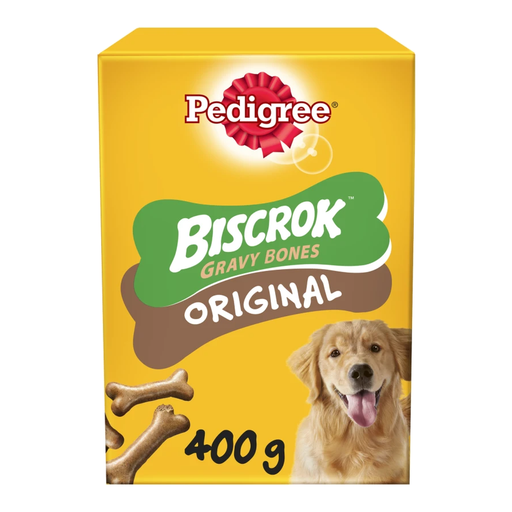
Why This Fits Their Persona: For owners who need a reliable, affordable biscuit for daily rewards. It's a classic choice that most dogs enjoy, making it a practical staple for the treat jar.
This product provides clear feeding guidelines based on dog size, helping owners avoid the "ignoring calorie density" trap by advising how to adjust main meals.
Enriched with Omega 3, vitamins and minerals. It is also free from artificial colours and flavours, offering a more considered choice than some basic biscuits.
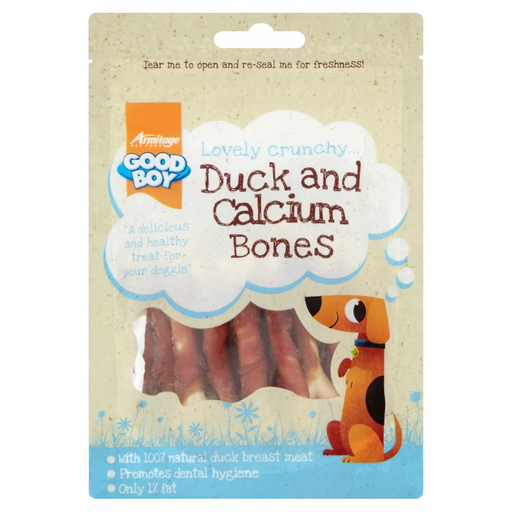
Why This Fits Their Persona: Perfect for owners who scrutinise labels and want functional benefits. This treat is ideal for those managing their dog's weight or looking for added joint and bone support.
This directly counters the "all-natural illusion" by being genuinely healthy. It is made with 55% natural duck breast meat and has an exceptionally low fat content of just 1%.
It's a functional treat enriched with calcium to support strong teeth and bones. It is also wheat-free and contains no artificial colours, flavours or preservatives.
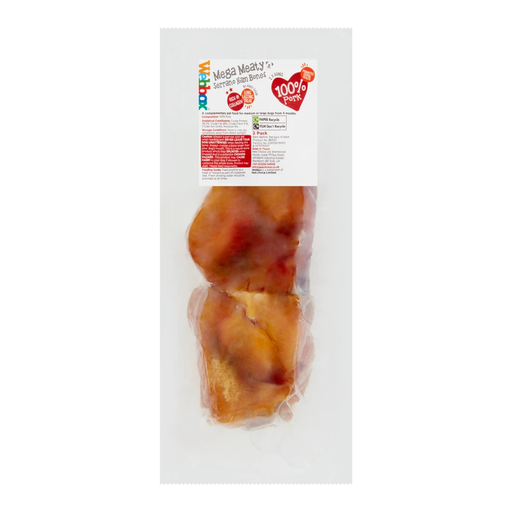
Why This Fits Their Persona: An excellent choice for owners of medium to large dogs who need a durable, engaging chew to keep them occupied and satisfy their natural chewing instincts.
This is a genuine long lasting dog chew, not a simple biscuit. It's made from 100% pork, providing a satisfying and durable chewing experience that also helps with dental hygiene through mechanical action.
It's a single-ingredient treat with no added sugar, making it a simple and wholesome option. The long-lasting nature provides excellent enrichment and helps to relieve boredom.
We have compiled a complete, real-time list of products that fully satisfy these strict selection criteria and UK safety regulations.
Here are answers to a few common questions UK dog owners have about treats.
A widely accepted guideline is the 10% rule: treats should not make up more than 10% of your dog's total daily calorie intake. To apply this, you'll need to know the calorie content of your dog's main food and their treats. If you give more treats on a particular day, for example during a training session, it's good practice to slightly reduce the size of their main meal to maintain a balanced diet.
Rawhide is a popular material for dog chews, but it comes with considerations. It can pose a choking hazard if a dog swallows large, unchewed pieces. Some dogs may also have digestive sensitivities to it. If you choose rawhide, always supervise your dog, ensure they are gnawing and not swallowing chunks and remove the chew once it becomes small enough to be swallowed whole. There are many rawhide-free alternatives available that offer a similar long-lasting experience.
The main difference lies in size and calorie content. Puppy training treats are typically smaller to suit smaller mouths and to allow for frequent rewarding without causing weight gain. They may also be formulated with specific nutrients to support growth. While it's not harmful for an adult dog to have a puppy treat, giving large adult treats to a small puppy could pose a choking risk or unbalance their carefully formulated diet.