
24/7 Customer Support

Free returns

Same-day & Next-day Delivery

Quality Guaranteed

Unlock Your Welcome Offers: FREE Delivery | Up to 80% OFF | Free 30-day JoyPlus trial
Download the APP
As dedicated dog owners, we want to provide the very best for our four-legged family members. Yet, navigating the world of dog treats can be a challenge. With labels full of complex terms and a vast array of options, it’s difficult to know which products genuinely support your dog's well-being.
This guide is designed to cut through the clutter. We will explore what makes a dog treat truly healthy and provide practical advice for choosing products that meet your dog's specific needs. Whether you're looking for a treat to aid digestion, support joint health or simply calm an anxious pup, this article will help you make an informed choice.
Choosing the right treat goes beyond just taste. A thoughtful selection can contribute to your dog's overall health. Here are a few key factors to consider during your search.
The foundation of any healthy dog treat is its ingredients. Look for clear, recognisable components. High-quality natural dog treats will typically feature meat, fish or vegetables as primary ingredients. It's also wise to avoid products with vague descriptions like "meat and animal derivatives" if you're unsure of the source, and steer clear of artificial colours, flavours or preservatives. For dogs with specific dietary needs, options like grain-free dog treats or hypoallergenic dog treats can be particularly beneficial, as they omit common allergens like wheat, soy and dairy.
Modern dog treats often offer more than just a reward; they can provide targeted support. These are often referred to as functional dog treats. For instance, probiotic dog treats contain beneficial bacteria to support a healthy gut, making them a good choice for dog treats for sensitive stomachs. If you have an older dog or a very active breed, look for dog treats for joints that contain ingredients like glucosamine and chondroitin. For pets who get nervous during thunderstorms or car rides, calming dog treats infused with natural botanicals like chamomile or lemon balm can be a useful tool.
Treats are a 'complementary pet food', meaning they are intended to supplement your dog's main meals, not replace them. A general guideline is that treats should not exceed 10% of your dog's daily calorie intake. Always check the packaging for the recommended serving size based on your dog's weight and age. It is also important to note any age restrictions, as some chews and treats are not suitable for young puppies.
Here are a few recommendations that align with the principles of quality ingredients and functional benefits.
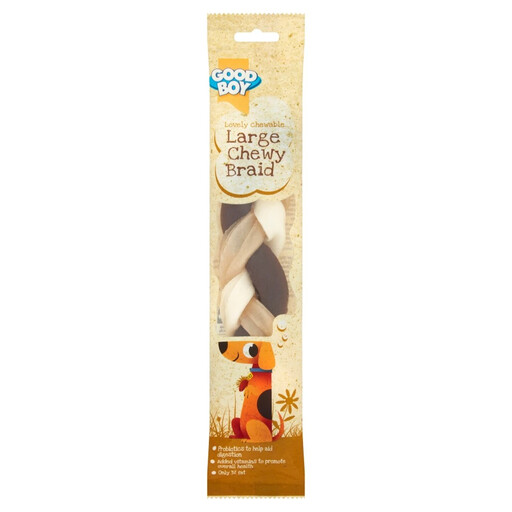
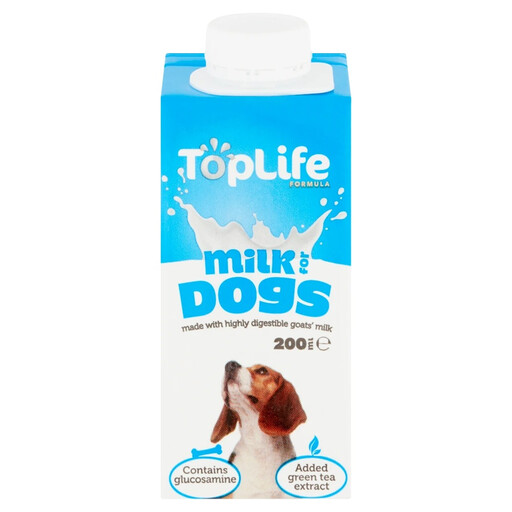
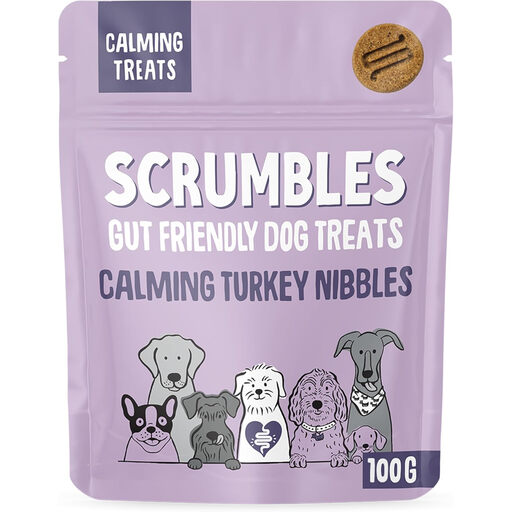
Choosing the right treat for your dog is a rewarding part of being a pet owner. And while you're in the mood for treating loved ones, perhaps it's time to treat yourself too. After a long walk with your happy pup, a freshly baked biscuit can be a welcome reward.
Explore our selection of simple and delicious cookie baking mix options for a well-deserved treat.
A healthy dog treat is characterised by high-quality, natural ingredients and a lack of artificial additives, fillers or excessive sugars. It should be appropriate for your dog's size, age and dietary needs. Furthermore, functional treats that offer benefits like digestive support, joint care or calming properties add another layer of 'health' by contributing to your dog's overall wellness.
The most common recommendation is the 10% rule: treats should not constitute more than 10% of your dog's total daily caloric intake. However, this can vary. It is essential to read the feeding guide on the product packaging, which provides specific advice based on your dog's weight. If you have any concerns, consulting your veterinarian is always the best course of action.
Grain-free dog treats are an excellent choice for dogs with a diagnosed grain allergy or sensitivity. For these dogs, avoiding grains can prevent digestive upset and skin irritation. However, not all dogs require a grain-free diet. For dogs without sensitivities, whole grains can be a nutritious source of energy and fibre. The overall quality of the ingredients in a treat is more important than simply whether it is grain-free or not.