
24/7 Customer Support

Free returns

Same-day & Next-day Delivery

Quality Guaranteed

Unlock Your Welcome Offers: FREE Delivery | Up to 80% OFF | Free 30-day JoyPlus trial
Download the APP
As dog owners, we love to reward our companions. Whether it's for good behaviour, during training or just to see that happy tail wag, treats are an important part of the bond we share. However, with so many options available, navigating the world of dog treats can be confusing. How do you choose a snack that's not only delicious but also genuinely beneficial for your dog's health?
This guide is designed to help you make more informed choices. We will walk through what to look for in a quality treat and provide a few recommendations to help you find a suitable option for your four-legged friend.
Finding the right treat goes beyond just picking your dog's favourite flavour. By paying attention to a few key details, you can ensure you're giving them something that supports their overall well-being.
The first step is to turn the packet over and analyse the composition. In the UK, pet food labelling regulations require ingredients to be listed in descending order by weight. Look for treats where a high-quality source of protein, like real chicken or fish, is listed first.
Try to select natural dog treats UK-compliant products that are free from artificial colours, flavours and unnecessary preservatives. A shorter, more recognisable ingredient list is often a good sign. Also, be mindful of high levels of sugar or salt, which offer no nutritional benefit.
Modern dog treats can do more than just taste good; many are formulated with functional ingredients to address specific needs.
Even the healthiest treats contain calories. A general guideline is that treats should not make up more than 10% of your dog's total daily caloric intake. Always check the feeding guide on the packaging and adjust your dog's main meals accordingly to prevent unwanted weight gain.
Based on their ingredients and intended functions, here are a few options that stand out for health-conscious dog owners.
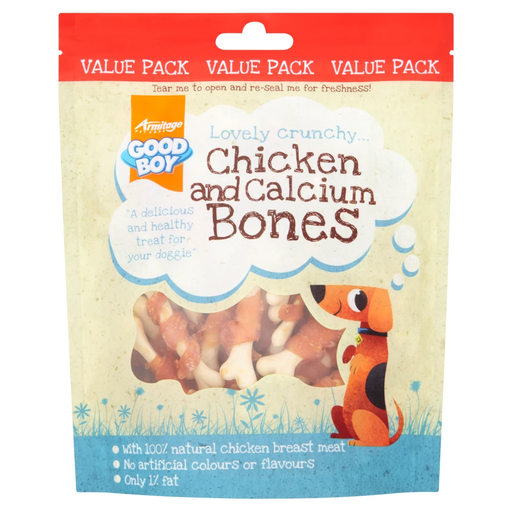
Why It Stands Out: These treats are made with over 50% real chicken breast, making them a high-protein option that dogs find irresistible. The core of the treat is enriched with calcium, which is included to support strong bones and teeth. As a low fat dog treat with just 1% fat content, it's a sensible choice for a daily reward.
Pros:
Who is it for: Owners of small to medium-sized dogs looking for a flavourful daily chew that doubles as a dental and bone support supplement.
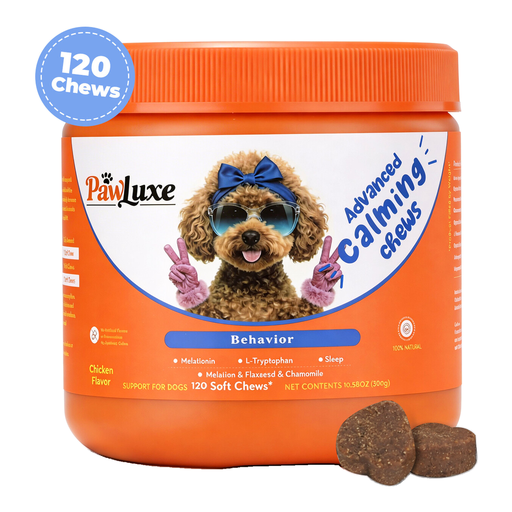
Why It Stands Out: These soft chews are formulated specifically as calming treats for dogs. They contain a blend of ingredients including organic chamomile, valerian root and L-tryptophan. The tasty chicken flavour dog treats make them easy to administer before a potentially stressful event.
Pros:
Who is it for: Dog owners who need a helping hand managing their pet's situational stress or general anxiety.
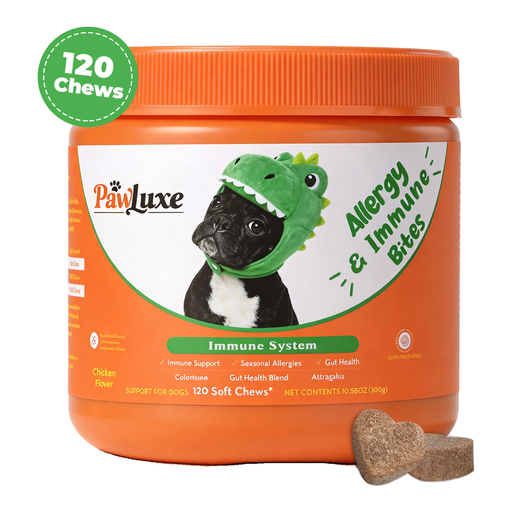
Why It Stands Out: This is a functional snack designed for dog allergy support and general immune health. It features bovine colostrum and astragalus root, alongside a 6-strain gut health blend, making it a powerful probiotic dog treat. This combination is intended to support a healthy immune response and maintain digestive balance.
Pros:
Who is it for: Owners looking for a daily treat to proactively support their dog's immune system, particularly for those with seasonal sensitivities or digestive issues.
Our recommendations focus on popular and functional chicken flavour dog treats. If your companion has different taste preferences or you'd like to see a wider variety of textures and functional snacks, you can explore our full range of chicken dog snacks here.
A 'healthy' dog treat is typically one made from high-quality, natural ingredients. Key characteristics include having a named meat source as the primary ingredient, being low in fat and free from artificial additives, colours and flavours. Functional treats that offer additional benefits, such as dental support or probiotics, can also be considered healthy when used appropriately.
The widely accepted rule is that treats should not exceed 10% of your dog's daily calorie intake. The exact number depends on the size of the treat and the size, age and activity level of your dog. Always refer to the manufacturer's feeding guidelines on the product packaging for specific advice and ensure fresh water is always available.
Not necessarily. While grain-free diets are essential for dogs with a diagnosed grain allergy or sensitivity, many dogs digest high-quality grains perfectly well. The overall quality of the ingredients is more important than simply the presence or absence of grain. If you suspect your dog has a food sensitivity, it is always best to consult with your vet.