
24/7 Customer Support

Free returns

Same-day & Next-day Delivery

Quality Guaranteed

Unlock Your Welcome Offers: FREE Delivery | Up to 80% OFF | Free 30-day JoyPlus trial
Download the APP
Choosing healthy drinks and nutritional supplements can make everyday nutrition more convenient, whether you are commuting, training at the gym, studying or stocking the family cupboard. However, attractive packaging and phrases such as “functional”, “natural” or “energy boosting” do not always tell you what you are actually buying.
The useful approach is to match the product with a specific need, then check the label for serving size, sugar, protein, caffeine, allergens and storage requirements. This guide explains the main buying traps and highlights practical options for different lifestyles.
Fruit juice, aloe vera drinks and flavoured milk drinks can contain notable amounts of sugar, even when they contain fruit ingredients or added vitamins. For example, the ALOO Aloe Vera Drink lists 9.5g of sugar per 100ml, while a 500ml bottle contains five times that serving volume.
“100% juice” also does not mean sugar-free. The LIGHT UP orange and multi-fruit drink lists 11.6g of carbohydrates per 100ml, so portion size still matters. Compare the nutrition panel rather than relying on front-of-pack wording.
A large bottle is not automatically a high-protein product. Check the protein per bottle, not just the size of the pack. A 330ml ready-to-drink protein shake may provide 20g, while the 500ml Applied Nutrition chocolate shake provides 42g.
Also check whether the drink contains milk. Protein shakes made with milk protein are unsuitable for people with a milk allergy and may not fit a vegan diet. Plant-based protein drinks, such as nut and sesame beverages, can have a different nutritional profile and may contain relatively modest protein per serving.
These categories serve different purposes:
Selecting by flavour alone can therefore lead to unnecessary sugar, caffeine or an unsuitable serving format.
For protein shakes, compare the grams of protein per serving with the calorie and sugar content. REP Vanilla Protein Shake provides 20.3g of protein and 150 kcal per 250ml can. Applied Nutrition’s 330ml strawberry shake provides 20g of protein, 5g of fibre per bottle and 198 kcal.
For sports nutrition, carbohydrate may be intentional rather than a flaw. Science in Sport GO Isotonic Energy Orange provides 22g of carbohydrate per 60ml sachet and is designed for use during exercise. It should not be treated as an everyday low-calorie drink.
UK shoppers should look for the caffeine declaration, particularly when buying energy drinks in bulk. The supplied Red Bull products list 32mg of caffeine per 100ml, equivalent to 80mg per 250ml can. The Monster Original Green drink also lists 32mg per 100ml, but its 500ml can contains a substantially larger total volume.
Read the warning information and consider the timing of consumption. Energy drinks are not a substitute for sleep, water or a varied diet.
Always read the current packaging before purchase, especially if you have allergies or intolerances. Common allergens in this range include:
Storage can affect convenience and waste. Some unopened drinks can be stored in a cool, dry cupboard, while opened milk drinks and probiotic liquids require refrigeration and prompt consumption. Check the best-before date and the post-opening instructions before ordering a multi-pack.
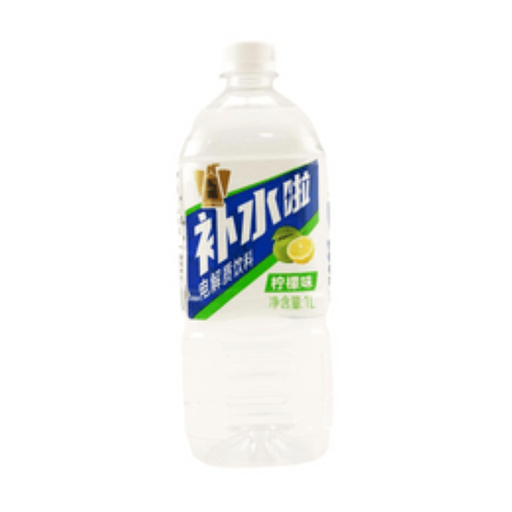
Why This Fits Their Persona: A single 555ml ready-to-drink bottle offers a straightforward option for shoppers comparing everyday hydration products without committing to a large bulk drinks order.
The label clearly lists 26 kcal and 6g of sugars per 100ml, allowing buyers to account for the full bottle rather than assuming “electrolyte” means calorie-free.
Contains electrolytes including salt, sodium citrate and potassium chloride; ready to drink and allergen-free according to the supplied listing.
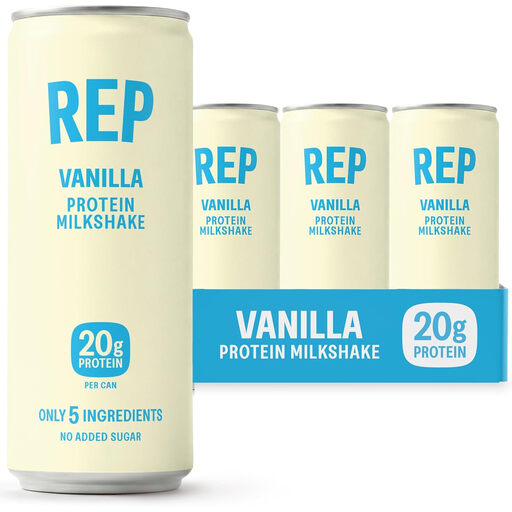
Why This Fits Their Persona: Suitable for adults and vegetarians who prefer a short ingredient list and individually portioned protein drinks for work, study or post-exercise use.
Its supplied formulation lists five ingredients, helping shoppers avoid paying for a long list of unnecessary additives while still checking the milk allergen.
Provides 20.3g of protein and 150 kcal per 250ml can; the listing states that it contains no artificial sweeteners, flavours, preservatives or stabilisers.
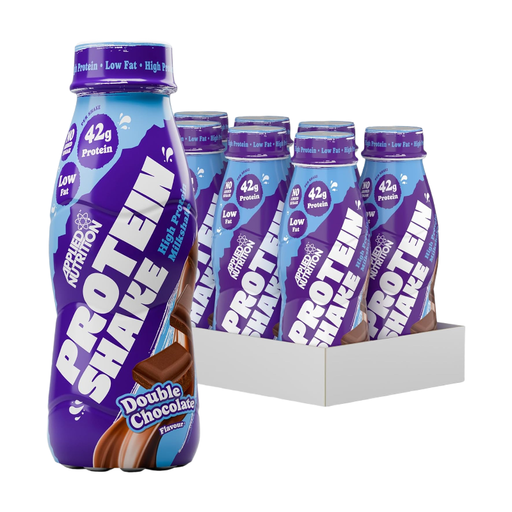
Why This Fits Their Persona: The 500ml format is suited to gym-goers and busy adults seeking a substantial ready-to-drink protein serving after training or during a demanding day.
The product provides a defined 42g protein serving, so buyers can compare it directly with smaller protein shakes instead of judging by bottle size or marketing language.
Contains 42g of protein and 240 kcal per bottle; the supplied information lists low fat and no added sugar. Contains milk.
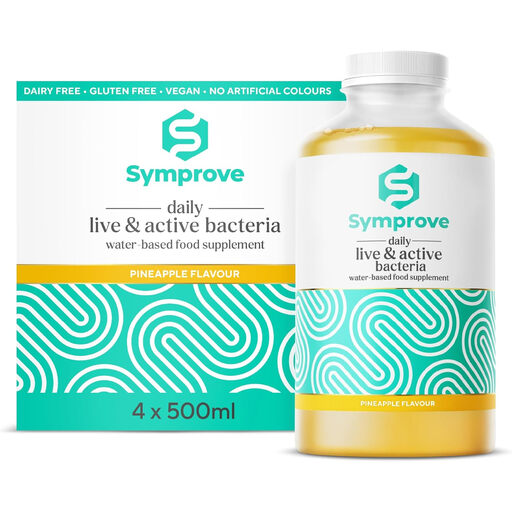
Why This Fits Their Persona: A measured 70ml daily serving may suit adults seeking a structured probiotic supplement routine rather than an occasional wellness drink.
The instructions specify the daily quantity, timing and refrigeration after opening, reducing the risk of treating a supplement as an unrestricted soft drink.
The listing provides at least 10 billion CFUs per 70ml shot and identifies four live bacterial cultures. Check the barley allergen information before use.
We have compiled a complete, real-time list of products that fully satisfy these strict selection criteria and UK safety regulations.
Most ready-to-drink protein shakes are designed to supplement protein intake, not replace a varied meal. Check calories, fibre, carbohydrates and micronutrients before using one in place of breakfast or lunch. Follow the product’s serving guidance.
No. Electrolyte drinks can provide fluids and selected minerals, but water remains suitable for ordinary hydration. For everyday use, compare sugar and portion size; for prolonged exercise, consider whether the product’s carbohydrate and electrolyte profile matches your activity.
Follow the individual label. The Symprove Live & Active product instructs users to refrigerate after opening, consume within 14 days and avoid heating or freezing. Storage instructions can vary, so check the packaging before purchase and use.