Night workers wanting a sweet biscuit
If a biscuit is convenient to pack for a break, the distinction between sugar-free, no-added-sugar and reduced-sugar claims matters more than the word “digestive” alone.


Choose a digestive-style biscuit when a portable sweet snack suits your break, but check whether its label says sugar-free, no added sugar or reduced sugar: those claims do not mean the same thing. A no-added-sugar biscuit may use maltitol, while McVitie's The Light One is a reduced-sugar digestive that still contains sugar. If you need something more substantial during a night shift, consider a planned light meal or another snack; the British Dietetic Association discusses lighter meals and snacks during night work.
If a biscuit is convenient to pack for a break, the distinction between sugar-free, no-added-sugar and reduced-sugar claims matters more than the word “digestive” alone.
A biscuit need not stand in for a meal. The British Dietetic Association discusses lighter meals or snacks during night shifts, while the British Nutrition Foundation cautions that large, heavy meals can make workers feel drowsy.
Read the ingredient list and nutrition panel as well as the front of the pack. Diabetes UK notes that polyols such as maltitol contain carbohydrate and calories; people adjusting insulin should seek individual advice from their healthcare team.
Start with the claim that matches your aim, then compare the stated serving and ingredients before deciding whether a biscuit suits the break.
| Priority | What to check | Your needs |
|---|---|---|
| Sugar claim | Read the exact front-of-pack wording, then check ingredients and sugars per biscuit or serving. Tesco Groceries lists McVitie's The Light One at 1.3g sugars per biscuit; its reduced-sugar claim is not a no-added-sugar claim. | I want to know whether I am avoiding added sugar or simply choosing a biscuit labelled as having less sugar. |
| Break-time portion | Check the stated serving size rather than comparing figures with different bases. Tesco Groceries lists 2.1g sugars for one Tesco Digestive Biscuit; Marks & Spencer Food lists 18.2g sugars per 100g for its digestives. | A biscuit may suit a short break, but if I need a meal, I would plan something more substantial. |
| Sweeteners and carbohydrates | Identify any sweetener in the ingredients and read the carbohydrate figure as well as sugars. Diabetes UK says polyols, including maltitol, contain carbohydrate and calories. | If I need to account for carbohydrates or know how I respond to a sweetener, the front-of-pack sugar claim alone is not enough. |
| Ingredients and allergens | Read the current pack’s ingredient, allergen and precautionary allergen statements, particularly when trying a different biscuit or buying one again. | I need to check that this particular pack fits any ingredient restrictions that matter to me. |
The Diablo digestive-style biscuit is labelled “No Added Sugar” and uses maltitol, according to its Tesco Marketplace listing. Diabetes UK identifies maltitol as a polyol that contains carbohydrate and calories.
Use the pack’s exact claim, ingredient list and nutrition panel together rather than substituting one sugar claim for another.
Tesco Groceries describes McVitie's The Light One as having 30% less sugar than the average digestive biscuit and lists 1.3g sugars per biscuit. The comparison does not make it a no-added-sugar product.
Choose a reduced-sugar digestive only if a reduction, rather than avoiding added sugar, meets your aim.
A sweet biscuit can fit a break without answering the need for a meal. The British Dietetic Association discusses lighter meals or snacks during night work; the British Nutrition Foundation advises against large, heavy meals that can cause drowsiness.
Plan what you will eat when a biscuit will not be enough for the break, and keep biscuits as a separate snack choice.
An earlier purchase does not tell you what is printed on the pack you have now. This matters when an ingredient or precautionary allergen statement affects your choice.
Read the current pack before eating it if you have a relevant allergy or intolerance.
These examples illustrate different label claims and ordinary digestives; a brand name alone does not establish the ingredients of every product it makes.
Tesco Marketplace describes Diablo Digestive Cookies as a no-added-sugar digestive-style biscuit made with maltitol.
The Light One is a reduced-sugar digestive, rather than a no-added-sugar option.
Tesco Digestive Biscuits provide an example of a conventional digestive, not a no-added-sugar option.
M&S Digestive Biscuits are another conventional option for checking a label against a no-added-sugar requirement.
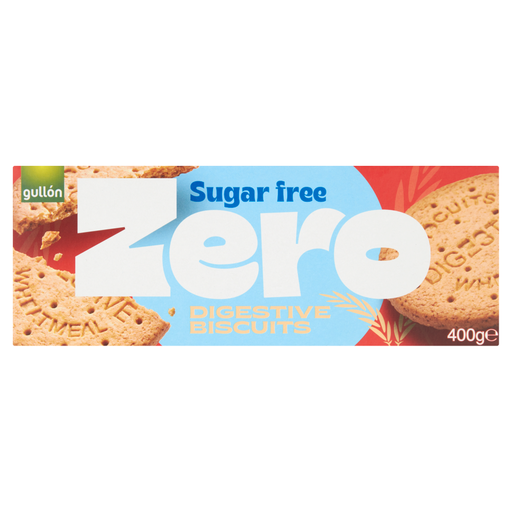
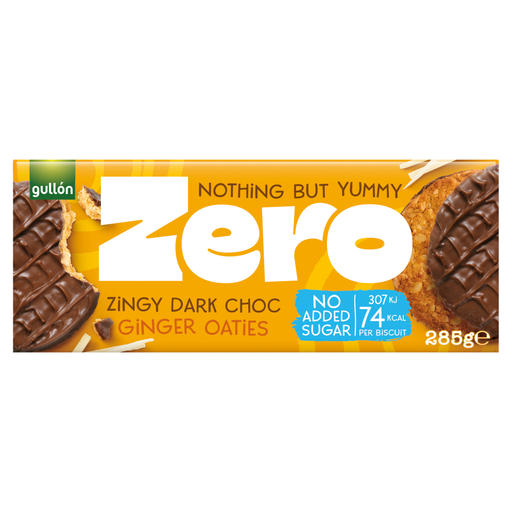
These options include a sugar-free-labelled digestive and a dark-chocolate-and-ginger oat biscuit for shoppers considering a different biscuit during a night-shift break.
 No image available
A sugar-free-labelled digestive-style biscuit to consider when a portable sweet snack suits your break. Check the pack’s sugars and carbohydrates per serving, sweeteners and allergen statement before deciding whether it meets your needs.
 No image available
An oat biscuit with dark chocolate and ginger rather than a plain digestive. If avoiding added sugar matters, check the exact claim on the pack alongside its ingredients, nutrition per serving and allergens.
No. Read the exact claim on the biscuit pack rather than treating the phrases as interchangeable. Tesco Marketplace labels Diablo Digestive Cookies “No Added Sugar” and lists maltitol; Diabetes UK notes that polyols such as maltitol contain carbohydrate and calories.
It can suit a break if you want a biscuit with a reduced-sugar claim, but it need not replace a planned meal or another snack. Tesco Groceries lists McVitie's The Light One at 1.3g sugars per biscuit and describes its 30% less-sugar claim as a comparison with the average digestive biscuit. The British Dietetic Association discusses lighter meals and snacks during night work.
Read the biscuit’s ingredient list and nutrition panel, not just its sugar claim. Diabetes UK says polyols, including maltitol, contain carbohydrate and calories and advises people adjusting insulin to seek individual guidance from their healthcare team.