
24/7 Customer Support

Free returns

Same-day & Next-day Delivery

Quality Guaranteed

Unlock Your Welcome Offers: FREE Delivery | Up to 80% OFF | Free 30-day JoyPlus trial
Download the APP
Navigating the snack aisle can be a challenge. You're looking for something convenient for those busy moments, but you also want it to be a nutritious choice that aligns with your health goals. The sheer volume of snack bars, all making different claims, can be overwhelming.
This guide is designed to help you understand what to look for in healthy nut bars. We will break down the key nutritional factors to consider and offer some recommendations to help you find a satisfying and suitable option, whether you need a quick post-workout refuel, a simple desk-side snack or a reliable on-the-go energy boost.
Making an informed choice is easier when you know what to look for on the packaging. Here are a few practical tips for selecting a bar that fits your lifestyle.
Many snack bars, even those marketed as healthy, can contain surprisingly high amounts of sugar. When you check the nutritional information, pay close attention to the "of which sugars" value. Ingredients like glucose syrup, honey and fructose all contribute to the total sugar content. While a little sweetness is fine, choosing bars with a lower sugar value can help you avoid an energy crash later in the day.
For a snack to be truly satisfying, it needs to keep you feeling full. High fibre bars and protein bars are excellent for this. Protein is essential for muscle maintenance, while fibre aids digestion and promotes satiety. Bars that list whole nuts, seeds or wholegrains as their primary ingredients are often good sources of both. This makes them a much more substantial choice than a simple sugary treat.
A long list of unpronounceable ingredients can sometimes be a red flag. Look for bars made with whole, recognisable foods like nuts, seeds and fruit. This is also where you can check for specific dietary requirements. If you need gluten free snack bars, for example, the ingredients list and allergen information are the most reliable places to confirm the product is suitable for you.
Based on their ingredient profiles and nutritional balance, here are a few popular options available in the UK that are worth considering.
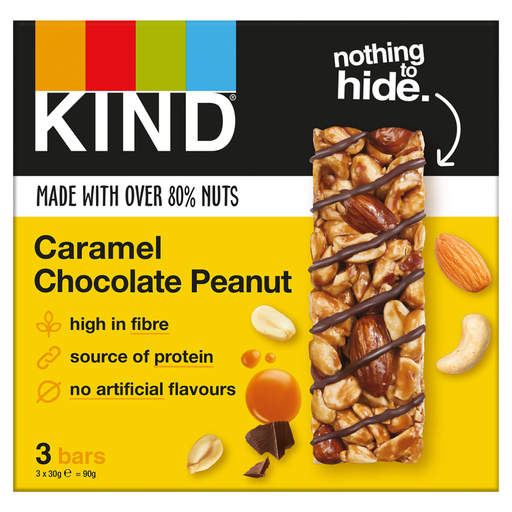
Why It Stands Out: This bar's main appeal is its commitment to whole ingredients. With peanuts as the number one ingredient and a composition of over 80% nuts, it delivers a satisfying crunch and texture. The combination of dark chocolate, caramel flavour and sea salt creates a classic sweet and salty nut bar experience.
Pros:
Who is it for?: Ideal for those who prioritise whole-food ingredients and want a snack that feels both indulgent and substantial. It's a great choice for a mid-afternoon pick-me-up.

Why It Stands Out: As the name suggests, this bar is formulated with a focus on protein. Each 40g bar is designed to provide 20% of your daily protein needs, making it one of the more functional protein bars on the market. The blend of roasted peanuts, chocolate and peanut butter makes it a flavourful option for post-exercise recovery.
Pros:
Who is it for?: A strong contender for fitness enthusiasts or anyone looking to increase their daily protein intake in a convenient format.
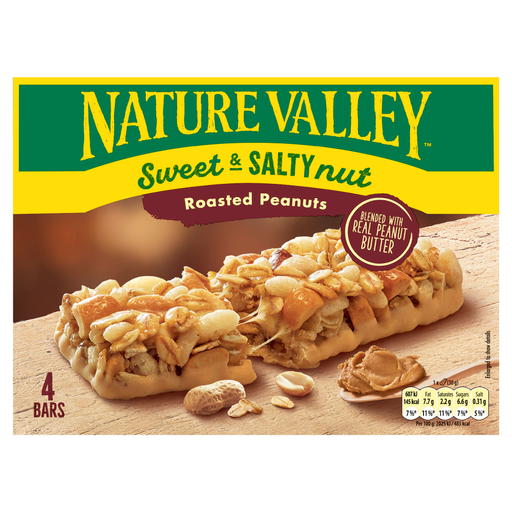
Why It Stands Out: This bar offers a satisfyingly chewy and crunchy texture by combining roasted peanuts with wholegrain oats. It strikes a pleasant balance between sweet and salty, making it a widely appealing peanut snack bar. The inclusion of oats also adds to its fibre content.
Pros:
Who is it for?: A great all-rounder for families and individuals who enjoy a classic chewy nut bar with a familiar, comforting flavour.
The recommendations above are a great starting point, but the world of nut-based snacks is vast. If you are particularly fond of peanut-flavoured treats and wish to see a wider variety of options, from crunchy bars to other confections, you may find more to suit your taste.
For a broader selection, explore our full range of peanut sweets.
Are nut bars actually good for you? Nut bars can be a nutritious and convenient snack, provided you choose carefully. The most beneficial options are typically those high in protein and fibre, lower in sugar and made from whole-food ingredients like nuts and seeds. They can be a much better choice than highly processed snacks like crisps or biscuits for curbing hunger between meals.
Can I eat a protein bar every day? While protein bars are a convenient way to boost your protein intake, especially after a workout or on a busy day, a balanced diet based on whole foods should always be the priority. They are best used to supplement a healthy diet rather than replace meals or whole-food snacks entirely.
What is the difference between a nut bar and a protein bar? The primary difference is their nutritional focus. A traditional nut bar usually prioritises whole nuts as the main ingredient, providing a source of healthy fats, fibre and a moderate amount of protein. A dedicated protein bar is specifically formulated to deliver a higher concentration of protein, often using added protein sources like soy or whey isolate, to support muscle repair and growth.