
24/7 Customer Support

Free returns

Same-day & Next-day Delivery

Quality Guaranteed

Unlock Your Welcome Offers: FREE Delivery | Up to 80% OFF | Free 30-day JoyPlus trial
Download the APP
Choosing healthy pet treats and baby snacks can feel straightforward until marketing labels, unclear portions and unsuitable textures complicate the decision. A colourful packet may look appealing, but the important details are usually the age range, ingredients, size, texture and feeding instructions.
This guide compares practical options for UK households, including baby finger foods, weaning snacks, dog dental chews, puppy training treats and small animal treats.
Terms such as natural, veggie and wholesome do not show the full composition. Check the ingredient list and analytical information instead. A vegetable snack may still contain starch, oil or salt, while a natural dog treat may be high in calories.
For pets, treats are generally complementary foods rather than replacements for a complete diet. For babies, snacks should complement varied meals and should not displace milk feeds or nutritionally useful foods.
A snack designed for a nine-month-old child is not automatically suitable for a younger baby. Likewise, a dental chew for a large dog may be too large for a small breed. Read the pack’s age, species and weight guidance before buying.
Babies should eat while seated upright and under full adult supervision. Dogs and small animals should also be supervised when chewing, particularly when a treat can break into larger pieces.
Dog dental chews can provide a chewing activity and may help mechanically clean parts of the tooth surface, depending on their shape and texture. They do not replace regular veterinary advice or a suitable dental-care routine. Select the correct size and follow the stated daily amount.
For baby snacks, look for a clear ingredient list and check for declared allergens. The Kiddylicious Veggie Straws, for example, contain potato and rice ingredients with vegetable powders and may contain soya and milk. Its gluten-free and lactose-free description may suit some household preferences, but the label still needs checking before serving.
Organix Crunchy Carrot Sticks contain organic corn, carrot powder and sunflower oil. They are listed as suitable from six months, gluten-free and free from added salt, artificial colours, flavours and preservatives. These details are more useful than relying on the front-of-pack vegetable imagery alone.
For pets, review the composition for protein sources, cereals, grains, oils and additives. Owners seeking natural dog treats may prefer a short ingredient list, but should still compare fat content, calories and feeding quantities.
Finger foods should be easy for a child to hold and appropriate for their chewing development. The Organix sticks have a chunky shape for little fingers, while Kiddylicious snacks are supplied as light, crispy straws. Neither should be offered without supervision.
For dogs, choose chews according to body size and chewing behaviour. Small-dog options include 110g daily dental chew packs, while large-breed products use larger sticks. A hard chew is not automatically appropriate for every dog, particularly one that gulps food or has dental concerns.
Small pets have different needs again. Rabbit treats, guinea pig treats and snacks for hamsters, rats or chinchillas should be offered in moderation alongside the species-appropriate main diet. Hard-baked sticks and edible woodrolls encourage gnawing, but should be removed when damaged or soiled.
Individual baby portions are convenient for changing bags, nursery trips and days out. Kiddylicious Veggie Straws come in four 12g bags, making portion planning simple. Larger pet packs can offer a lower cost per serving, but only if the product will be used within its stated freshness period.
Check storage instructions, reseal opened packaging and compare the recommended daily amount. A low-priced pack may become poor value if the treat is unsuitable, wasted or given too frequently.
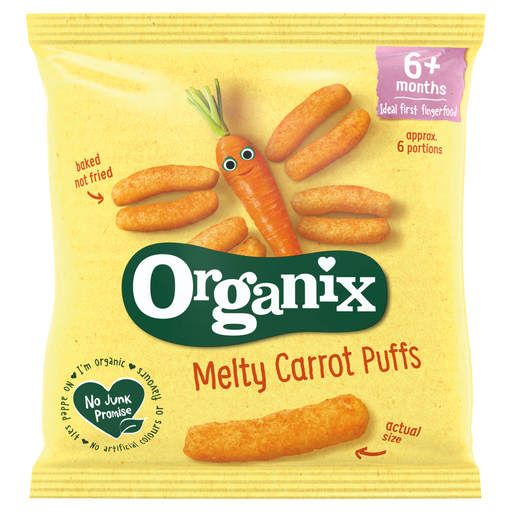
Why This Fits Their Persona: A small 20g pouch is practical for families beginning weaning and wanting a simple snack for short outings or controlled portions.
The age guidance, portion information and ingredient list are clearly specified, rather than relying only on vegetable-themed packaging.
Made with 80% organic corn and 10% organic carrot powder; baked and listed as free from added salt.
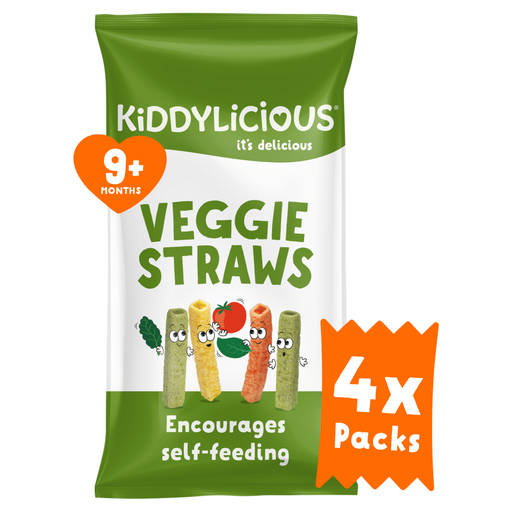
Why This Fits Their Persona: Suitable for families wanting individually wrapped snacks with a mild savoury flavour and a texture intended for experienced self-feeders from nine months.
The product states its minimum age, allergen warning and supervision instructions, helping parents assess suitability before opening a packet.
Gluten-free and lactose-free; four individually wrapped 12g bags are convenient for travel and portion control.
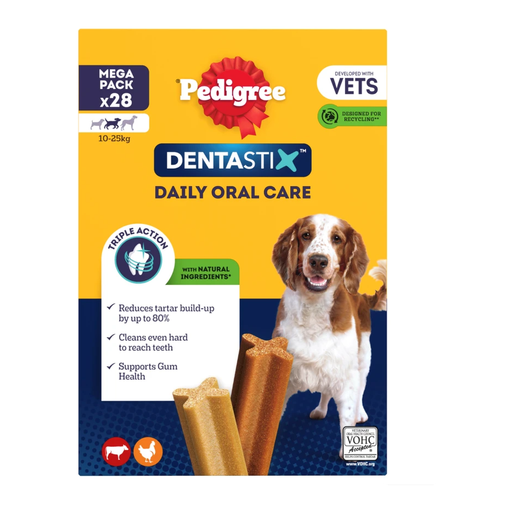
Why This Fits Their Persona: A multi-pack suits owners with a medium-sized dog who want a regular daily chew and prefer to compare cost per stick.
The pack specifies the 10–25kg dog range and one-stick daily guidance, reducing the risk of choosing by breed name alone.
28 sticks in four 180g packs; listed at 299 kcal per 100g and 1.3% fat content.
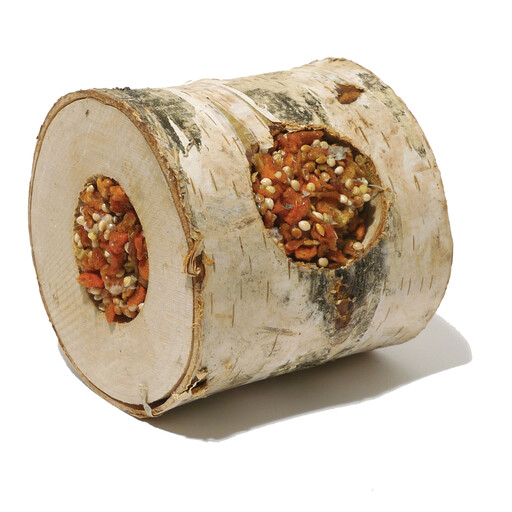
Why This Fits Their Persona: A practical choice for owners of rabbits, guinea pigs and other small animals seeking one item that combines gnawing and foraging activity.
It is described as an edible woodroll with a carrot filling, so buyers can distinguish it from a purely decorative wooden toy.
Suitable for several listed small-pet species; contains 57% carrot in the filling and has no added artificial flavours, colours or preservatives.
We have compiled a complete, real-time list of products that fully satisfy these strict selection criteria and UK safety regulations.
They can be offered according to the product’s stated age guidance, but they should remain occasional finger foods within a varied diet. Check ingredients, salt information and allergens, and supervise your baby while eating. Gluten-free baby snacks are not automatically suitable for every child, so read the full label.
Follow the product’s weight and feeding guidance. Several options listed here specify one chew per day, while treats should remain within the recommended share of daily calories. Reduce meal portions if necessary and provide fresh water.
Some products list both species, but you should still check the packaging. Hay and a suitable complete diet remain central to their routine. Offer hard-baked sticks or edible wood products in moderation, remove soiled pieces and supervise initial use.