
24/7 Customer Support

Free returns

Same-day & Next-day Delivery

Quality Guaranteed

Unlock Your Welcome Offers: FREE Delivery | Up to 80% OFF | Free 30-day JoyPlus trial
Download the APP
As pet owners, we all want to spoil our furry companions, and a tasty treat is the perfect way to do it. But navigating the pet food aisle can be a minefield. The packaging is often filled with appealing images and claims of being "natural" or "healthy," yet the reality can be quite different. Choosing the right healthy pet treats is about looking past the marketing and understanding what's actually inside the packet.
Many well-intentioned owners find themselves caught in a couple of common traps. Firstly, the "healthy-looking" packaging that masks a list of fillers. A treat might be advertised with pictures of prime cuts of meat, but the primary ingredients are actually cereals, wheat or various sugars, offering little nutritional value. Secondly, vague ingredient descriptions like "meat and animal derivatives" can be a red flag, as they don't specify the source or quality of the protein your pet is consuming. This guide will help you sidestep these pitfalls and make informed choices for your dog or cat.
Before you add any treats to your basket, a quick look at the packaging can tell you everything you need to know. Focusing on a few key areas will ensure you're buying a product that genuinely benefits your pet's health.
The ingredients list is always ordered by weight, so the first few items make up the bulk of the treat. For high-quality natural dog treats or cat treats, you should look for a clearly named source of protein, such as 'chicken', 'duck breast' or 'salmon', at the top of the list. If the first ingredients are 'cereals', 'wheat' or 'vegetable protein extracts', the treat is likely more filler than substance. For pets with sensitive stomachs, looking for grain free cat treats or dog treats can be a sensible choice, as these avoid common irritants.
This section provides a breakdown of the nutritional content. It might look technical, but it's straightforward:
Not all treats are created equal. Some are designed with specific functions in mind, which can be a great way to support your pet's overall wellbeing:
Based on these principles, we've identified a few standout options that align with the needs of different pets and their owners.
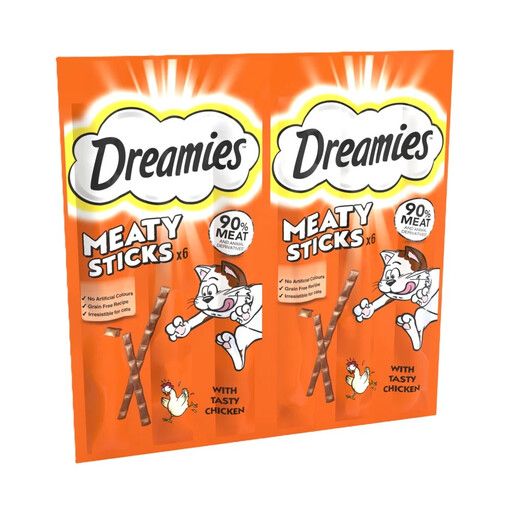
Why This Fits Their Persona: For cat owners who prioritise a high-protein, meat-first diet for their feline, these sticks offer a satisfying and flavourful reward without compromising on ingredient quality.
This treat avoids the "filler" trap by being made with 90% meat and animal derivatives, including 26% chicken. It is also a grain-free recipe, steering clear of common bulk ingredients.
The high protein content (41%) makes it a substantial treat. Each stick is individually wrapped, ensuring freshness and making portion control simple.
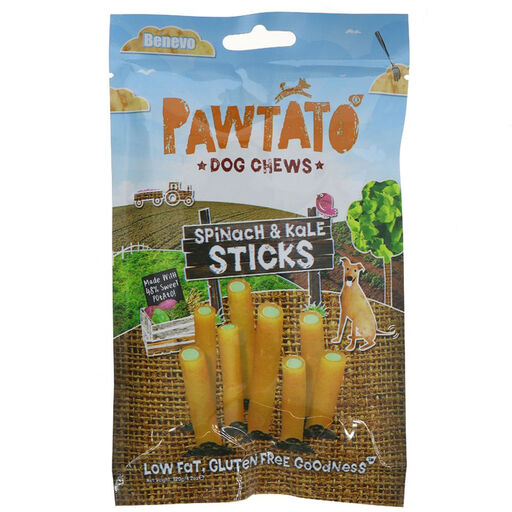
Why This Fits Their Persona: Ideal for owners of dogs with specific dietary needs, allergies or sensitivities. This plant-based chew provides a safe and enjoyable treat without the risk of triggering common food intolerances.
It sidesteps the "vague ingredients" trap by using a simple, clear list based on sweet potato and rice. It is explicitly free from meat, dairy, soya, wheat and gluten, making it a reliable hypoallergenic choice.
The primary ingredient is organically grown sweet potato, a great source of fibre. It is also very low in fat (0.5%), making it suitable for dogs on a weight management plan.
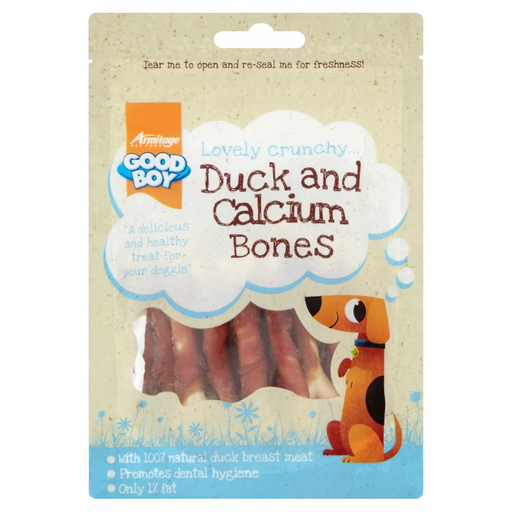
Why This Fits Their Persona: Perfect for owners who use treats frequently for training or rewards and are conscious of their dog's calorie intake and overall health. This treat delivers on taste without the high fat content.
This product clearly states it is made with 100% natural duck breast meat (55% of the total composition), avoiding the vague "meat derivatives" trap. It is also wheat-free and contains no artificial additives.
With only 1% fat content, it is an exceptionally lean option. The added calcium is a functional benefit that helps support strong teeth and bones.
We have compiled a complete, real-time list of products that fully satisfy these strict selection criteria and UK safety regulations.
Most veterinarians and pet food manufacturers recommend that treats should make up no more than 10% of your pet's daily calorie intake. Always check the feeding guide on the packaging, as it will provide recommendations based on your pet's size and weight. If you are using a lot of treats for training, remember to reduce their main meal portion accordingly to prevent weight gain.
Not necessarily. While grain-free diets are essential for pets with a diagnosed grain allergy or sensitivity, most pets can digest grains perfectly well. The key is the quality and quantity of the grain. A treat that lists 'maize' or 'wheat' as its first ingredient is likely using it as a cheap filler. However, a small amount of a quality grain like rice or oats in an otherwise meat-rich treat is perfectly acceptable for most pets.
This is an important distinction. 'Complementary' food, which applies to most treats, means it is not nutritionally complete and is intended to be fed as a snack alongside a 'complete' main meal. A 'complete' food, such as your pet's daily wet or dry food, contains all the nutrients your pet needs to stay healthy. Treats should never be used as a replacement for a balanced main diet.