
24/7 Customer Support

Free returns

Same-day & Next-day Delivery

Quality Guaranteed

Unlock Your Welcome Offers: FREE Delivery | Up to 80% OFF | Free 30-day JoyPlus trial
Download the APP
Salt is a kitchen staple, essential for bringing out the flavour in everything from a simple boiled egg to a complex Sunday roast. Yet, with public health advice often encouraging us to reduce our sodium intake, the salt aisle can feel confusing. Standard table salt is no longer the only option. You'll now find everything from pink-hued crystals to low-sodium formulas.
Navigating these choices can be a challenge. Are they genuinely a better option, or just marketing hype? As a Joybuy Product Recommendation Officer, my role is to help you understand the practical differences. This guide will break down the key factors to consider when choosing a healthy salt alternative, helping you find the right product for your health goals and culinary needs.
Before adding a new salt to your basket, it helps to understand what sets them apart. Here are a few key points to consider.
For many, the search for a "healthy salt" is driven by a desire to lower sodium. Standard table salt is almost pure sodium chloride. A low sodium salt or salt substitute is specifically formulated to address this. These products typically replace a significant portion of the sodium chloride with potassium chloride. This can be a useful option for those looking to manage their intake, particularly individuals concerned with high blood pressure. Always read the label, as some products may have health warnings for people with specific kidney or heart conditions.
Beyond sodium, the mineral content is a major differentiator. Unrefined or minimally processed salts, such as Himalayan pink salt or natural sea salt, retain trace minerals like magnesium, potassium and calcium that are stripped from standard table salt during processing. This is what gives them their unique colour and subtle flavour variations.
Another consideration is fortification. Iodised sea salt, for example, is enriched with iodine, an essential nutrient for thyroid function. If your diet is low in iodine-rich foods like fish and dairy, choosing an iodised salt can be a practical way to supplement your intake.
The physical form of the salt matters. A fine grain salt dissolves quickly and evenly, making it an excellent all-purpose table salt alternative and a reliable choice for baking, where precise measurements are key. Coarser grains are often preferred as a finishing or gourmet salt, adding a pleasant texture and a concentrated burst of flavour when sprinkled over a finished dish. Consider how you plan to use the salt most often when making your selection.
Based on these considerations, we've selected a few standout options that cater to different dietary needs and preferences.
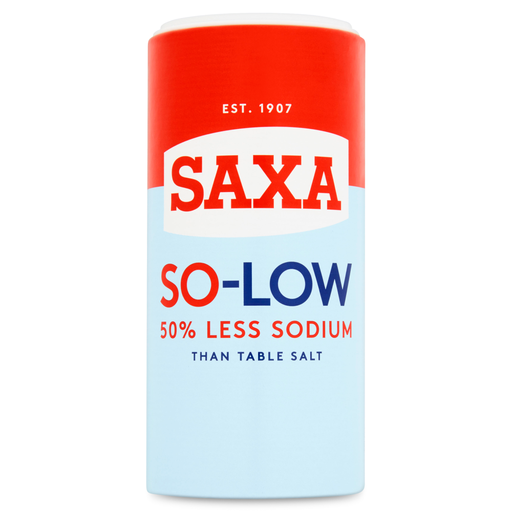
Why It Stands Out: This product directly addresses the goal of sodium reduction. By blending potassium chloride (51%) with salt (48%), Saxa So-Low delivers a salty flavour with 50% less sodium than regular table salt. Its fine, free-flowing texture means it can be used as a direct 1:1 replacement in all your cooking and seasoning.
Pros:
Who is it for? This is an ideal choice for individuals actively working to lower their sodium consumption. However, as it contains potassium chloride, the manufacturer advises that people with heart or kidney problems should consult their doctor before use.
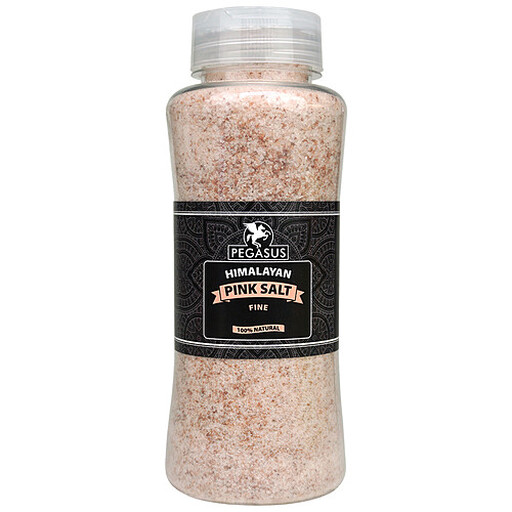
Why It Stands Out: Sourced from the Himalayan mountains, this Himalayan pink salt is an unrefined rock salt known for its distinctive colour and mineral-rich profile. It is free from additives and contains over 80 naturally occurring trace minerals. Its fine grain makes it a versatile all-rounder in the kitchen.
Pros:
Who is it for? This is a great option for home cooks seeking a natural sea salt alternative that is less processed than table salt. It appeals to those who appreciate a more complex flavour profile and want a versatile salt for cooking that works in almost any recipe.
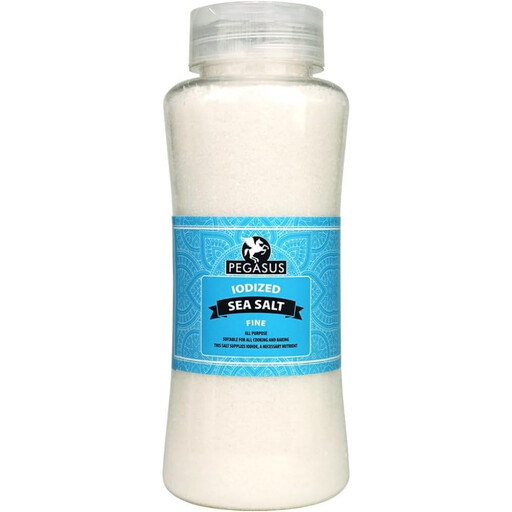
Why It Stands Out: This product combines the benefits of sea salt with the nutritional advantage of iodine fortification. Sourced from coastal waters and minimally refined, this iodised sea salt retains natural trace minerals while providing iodine, which is crucial for supporting healthy thyroid function.
Pros:
Who is it for? This is an excellent choice for health-conscious families and individuals who want to ensure they are getting enough iodine, especially if their diet is low in fish or dairy. It serves as a functional and flavourful table salt alternative.
If our recommendations don't quite match what you're looking for, or if you're curious about other types of gourmet salt and seasonings, there are many more options available. From coarse sea salts for finishing to smoked salts for unique flavours, finding the right one can elevate your cooking.
Browse our full collection of cooking salt to find the perfect fit for your pantry.
Is pink Himalayan salt healthier than table salt? Himalayan pink salt contains trace minerals like potassium, magnesium and calcium that are not present in refined table salt. However, its primary component is still sodium chloride. While its unrefined nature and lack of anti-caking agents are appealing, the mineral quantities are too small to offer a major health advantage. Its main difference lies in its purity and flavour profile.
What is the main benefit of using a low sodium salt substitute? The primary benefit is a significant reduction in sodium intake, which is a common dietary goal for managing high blood pressure. These products, such as a low sodium salt, achieve this by replacing a portion of the sodium chloride with potassium chloride, allowing you to season food with less sodium. It is important to follow any health warnings on the packaging, as they may not be suitable for everyone.
Do I need iodised salt in the UK? According to the NHS, iodine is an essential mineral for producing thyroid hormones. While most people in the UK get enough iodine from a varied diet including dairy and fish, some individuals may have lower intake. For those groups, using an iodised sea salt as part of a balanced diet can be a simple and effective way to help meet daily requirements.