
24/7 Customer Support

Free returns

Same-day & Next-day Delivery

Quality Guaranteed

Unlock Your Welcome Offers: FREE Delivery | Up to 80% OFF | Free 30-day JoyPlus trial
Download the APP
Finding genuinely healthy snack bars can feel like navigating a minefield of clever marketing. You reach for a bar that promises natural energy, only to find it has more sugar than a biscuit. It’s a common frustration for anyone trying to make a mindful choice for their on-the-go snacking needs. As your Joybuy Product Recommendation Officer, my role is to help you see past the packaging and focus on what truly matters.
Before you add another box of disappointing bars to your basket, let’s look at the common pitfalls that catch out even the most careful shoppers in the UK.
protein bars.To avoid these traps, focus on three key areas of the product label. This will empower you to choose effective on-the-go snacks that align with your health goals.
The first thing to check is the "Carbohydrates (of which sugars)" line in the nutritional information. A bar with over 15g of sugar per serving should be considered more of a treat. More importantly, look at the ingredients list to see where that sugar comes from. Ingredients are listed by weight, so if a form of sugar (like rice syrup, glucose syrup, or honey) is one of the first three ingredients, the bar is likely high in added sugar. Natural sugars from whole fruits are generally a better option.
For a bar to provide lasting energy and satiety, it needs a good balance of protein and fibre.
post-workout snack, look for bars with at least 10g of protein per serving. The source matters, too. Vegan protein bars often use soya, pea, or nut-based proteins, which are excellent options.high fibre bar (with at least 3-5g of fibre) will help you feel fuller for longer and support digestive health. Oats, nuts, and seeds are fantastic sources of natural fibre, making oat bars and fruit and nut bars a solid choice.A shorter, more recognisable ingredient list is often a sign of a less processed product. Look for whole foods like oats, nuts, seeds and dried fruit at the top of the list. If you have dietary requirements, this is also where you’ll confirm if a product is a suitable gluten-free snack bar. Be wary of long lists filled with artificial flavours, preservatives and emulsifiers.
Here are a few recommendations that align with these principles, matched to different lifestyle needs.
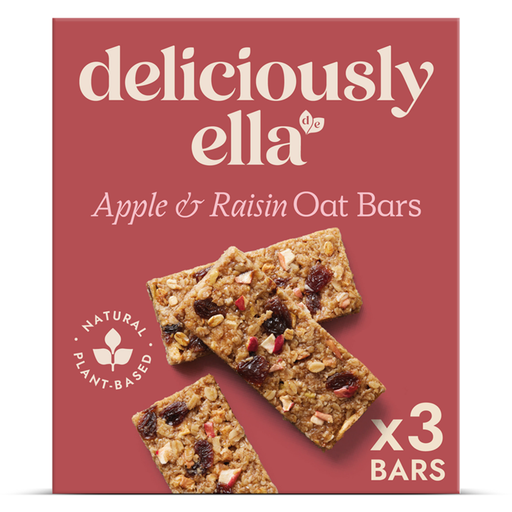
Why This Fits Their Persona: Ideal for those seeking a clean, plant-based snack. It's perfect for a mid-morning treat with a cup of tea or as a wholesome addition to a lunchbox, without any animal products or gluten.
This bar avoids hidden sugars by using rice syrup and coconut sugar instead of refined glucose syrup. The ingredient list is short, transparent, and built on a base of gluten-free oats (44%).
It's fully vegan and gluten-free, catering to common dietary needs. The flavour comes from real dried apple, raisins and cinnamon, not artificial flavourings.

Why This Fits Their Persona: Designed for fitness enthusiasts who need a substantial protein hit after a workout. It's a convenient way to get fuel for muscle recovery without carrying a shaker bottle.
This bar avoids the "low protein" trap by delivering a significant 25.8g of protein per 100g, primarily from roasted peanuts and isolated soy protein. It's also high in fibre (12.9g per 100g).
It provides a high protein and fibre content in one convenient, gluten-free bar. The brand states it contains 20% of your daily protein needs per bar.
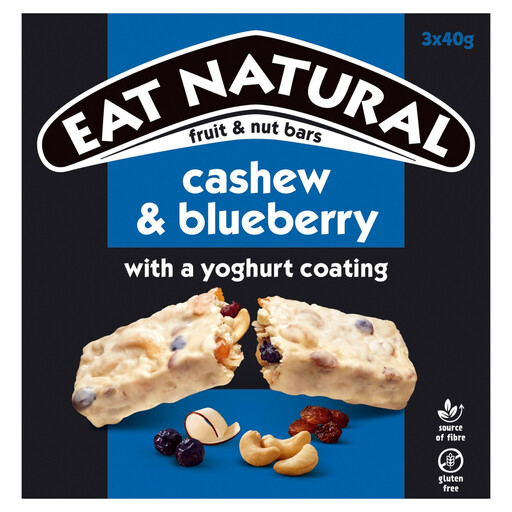
Why This Fits Their Persona: This is for the traditionalist who loves a classic fruit and nut bar. It's a great choice for a hiking snack or a satisfying afternoon pick-me-up that relies on the natural taste of its core ingredients.
It sidesteps the "health halo" by being transparent about its ingredients. While it has a yoghurt coating and added sugar, its foundation is whole ingredients like coconut (12%), sultanas (8%) and cashews (6%).
The bar is naturally gluten-free and provides a source of fibre. Its main appeal is the satisfying texture and flavour from a wide variety of real fruits and nuts.
We have compiled a complete, real-time list of products that fully satisfy these strict selection criteria and UK safety regulations.
It depends entirely on the bar. A high-quality protein bar will have a substantial amount of protein (over 10g), a good amount of fibre and be lower in sugar. A bar with minimal protein and high sugar content is, nutritionally, much closer to a standard confectionery item. Always check the nutritional information.
There is no official UK guideline, but a practical approach is to be cautious of bars containing over 15g of sugar per serving. For a daily snack, aiming for under 10g is a more sustainable goal. Also, prioritise bars where the sugar comes from whole fruit rather than added syrups.
Most snack bars, even natural energy bars, are not designed to be meal replacements. They typically lack the full range of macronutrients, vitamins and minerals that constitute a balanced meal. They are best used as they are intended: for a convenient energy boost between meals, before or after exercise or when you're on the move.