
24/7 Customer Support

Free returns

Same-day & Next-day Delivery

Quality Guaranteed

Unlock Your Welcome Offers: FREE Delivery | Up to 80% OFF | Free 30-day JoyPlus trial
Download the APP
Healthy snack bars can make busy mornings, office days, gym sessions and school-packed lunches more convenient. However, the word “healthy” on a wrapper does not tell you everything about the product. A bar may contain oats or fruit yet still be high in sugar, saturated fat or calories.
The right choice depends on your priorities: protein content, dietary requirements, flavour, texture, portion size and price per bar. This guide explains the main buying pitfalls and compares suitable options for different lifestyles.
Terms such as “natural ingredients”, “wholesome” and “plant-based” describe ingredients or production choices, not the complete nutritional profile. For example, a fruit and nut bar may contain no artificial additives but still have a relatively high amount of naturally occurring sugar.
Always check the per-bar nutrition panel, rather than relying only on front-of-pack wording. Compare energy, sugars, saturates, fibre and protein with your intended use.
Protein snack bars can vary considerably. A higher protein figure may come from soya protein, milk ingredients, nuts or other concentrated sources. Some products also contain syrups, sweeteners or added fats that affect taste and texture.
Check the protein per serving, not just the percentage per 100g. Also look for allergen statements if you need vegan snack bars, vegetarian options or products suitable for a specific dietary requirement.
Gluten-free oats and ordinary oats are not interchangeable for every shopper. Some products contain soya, milk, peanuts or tree nuts, while others may have “may contain” warnings because of shared production facilities.
Read the current packaging before purchase, particularly when buying gluten-free snack bars for someone with an allergy or coeliac disease. Product information can change, and the label is the most up-to-date reference.
A practical comparison starts with the serving size. A 30g cereal bar and a 50g flapjack bar will naturally provide different amounts of energy and nutrients. For instance:
A higher-calorie bar may be useful as a filling on-the-go snack, while a smaller cereal bar may suit a lunchbox or tea break.
Look for the primary ingredients and their proportions. Oat bars commonly use oats, rice syrup, coconut oil, fruit, nuts or protein crispies. A product labelled as plant-based protein bars may still contain soya, soya flour or other allergens.
For vegan snack bars, check the full allergen and ingredient information rather than assuming that “dark chocolate” or “plant-based” means vegan. Vegetarian shoppers should also check ingredients such as gelatine, particularly in confectionery-style cereal bars.
Multipack snack bars can reduce the cost per serving, but only if the flavour and texture suit your routine. Consider:
The category includes oat bars, cereal bars, flapjack bars, protein snack bars and fruit and nut bars. You can browse more options in the Joybuy flapjack bars range.

Why This Fits Their Persona: The 21.5g portions provide a smaller format for office drawers, short commutes or a modest lunchbox addition.
The individual nutrition panel shows 83 kcal and 5.8g sugars per bar, making portion size clear rather than relying on broad health wording.
Six-bar pack; contains wholegrain cereals, cranberry pieces and listed B vitamins.
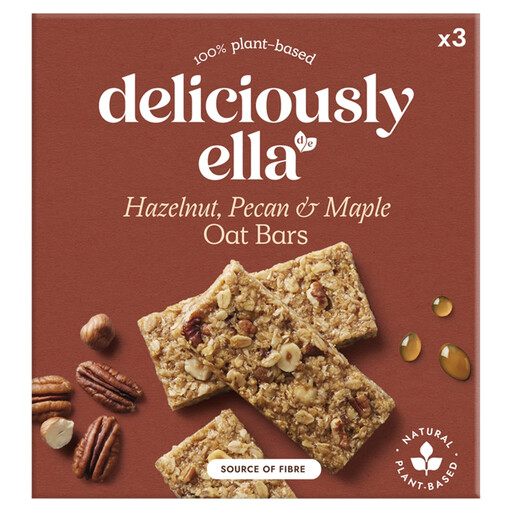
Why This Fits Their Persona: A soft-baked texture and nut-and-maple flavour suit shoppers who prefer a more substantial oat bar with a dessert-style profile.
The ingredient list identifies gluten-free oats, pecans and hazelnuts, while the nutrition panel makes its 244 kcal and 9.1g sugars per 50g bar visible.
Contains 5.2g fibre per 100g; includes pecans, hazelnuts, almond butter and maple syrup.

Why This Fits Their Persona: The 16-bar format is suited to regular gym users, commuters or households that want a consistent supply of individually wrapped snacks.
The label states 9g protein per 50g bar and identifies soya as an allergen, helping shoppers assess both protein content and suitability.
Vegan and gluten-free according to the supplied product details; cocoa oat flavour and soft flapjack texture.
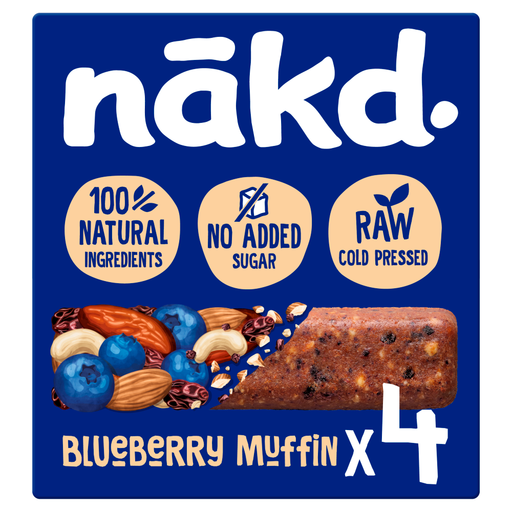
Why This Fits Their Persona: Its compact raw fruit and nut format works for vegan shoppers wanting a chewy snack without a baked oat or chocolate coating.
The ingredient list is short and specifies dates, raisins, cashews, almonds and freeze-dried blueberries, so the product composition is easy to assess.
Gluten-free and dairy-free according to the supplied details; 3.3g fibre per 35g bar.
We have compiled a complete, real-time list of products that fully satisfy these strict selection criteria and UK safety regulations.
They can be convenient when paired with other foods, but suitability depends on the bar’s energy, protein, fibre and sugar content. A small cereal bar may not be filling enough on its own, while a 50g oat or protein bar may provide a more substantial option. Check the label and consider your overall diet rather than treating any single bar as a complete meal.
Protein snack bars and plant-based protein bars are common choices because they are individually wrapped and easy to carry. Compare protein per bar, calories, allergens and texture. Trek Cocoa Oat Protein Flap Jacks provide 9g protein per 50g bar, while Nature Valley Protein bars provide 10.4g per 40g bar. These figures describe the products’ nutritional content and do not guarantee a particular fitness result.
Shelf life varies by product and batch. Check the best-before date on the packaging and store bars in a cool, dry place as instructed. Heat can soften chocolate coatings and alter flapjack texture, so avoid leaving them in a hot car or near a radiator. Once opened, follow any product-specific guidance and keep individual wrappers sealed until needed.