
24/7 Customer Support

Free returns

Same-day & Next-day Delivery

Quality Guaranteed

Unlock Your Welcome Offers: FREE Delivery | Up to 80% OFF | Free 30-day JoyPlus trial
Download the APP
Navigating the snack bar aisle can feel like a complicated task. With packaging that boasts of natural goodness and wholesome energy, it’s easy to pick up a product that seems healthy but is, in reality, not much different from a standard confectionery bar. As a Product Recommendation Officer at Joybuy, my role is to help you see past the marketing claims and make choices that align with your health and lifestyle goals.
Many of us fall into common purchasing traps without realising it. Understanding these pitfalls is the first step towards smarter snacking.
cereal bars fall into this category, offering a quick sugar rush followed by an energy crash.post-workout snack to aid muscle repair, this amount is often insufficient. The quality and source of the protein also matter.To avoid these traps, focus on the facts found on the ingredient list and nutritional panel. Here are the three most important parameters to analyse.
Instead of relying on front-of-pack claims, turn the bar over and check these three key figures per serving:
low sugar protein bars, look for options with under 5g.on-the-go snack to curb hunger, 5-10g is adequate. For post-exercise recovery, you should look for bars containing 15-20g or more.high fibre bar with at least 3-5g of fibre is a much better choice for preventing further snacking.The order of ingredients matters. The first few ingredients make up the bulk of the product. Look for bars where the primary ingredients are whole foods you recognise.
Nut bars that list almonds, peanuts or seeds as the first ingredient are often a solid choice. They provide a natural source of protein, healthy fats and fibre.Oat bars offer slow-release carbohydrates for sustained energy. Check that they are made with whole rolled oats rather than refined flour. This is also where you can find excellent gluten-free snack bars if they use certified gluten-free oats.vegan snack bars, always check for milk powder, whey or honey.Based on these criteria, here are a few recommendations from our catalogue, matched to different needs and lifestyles.
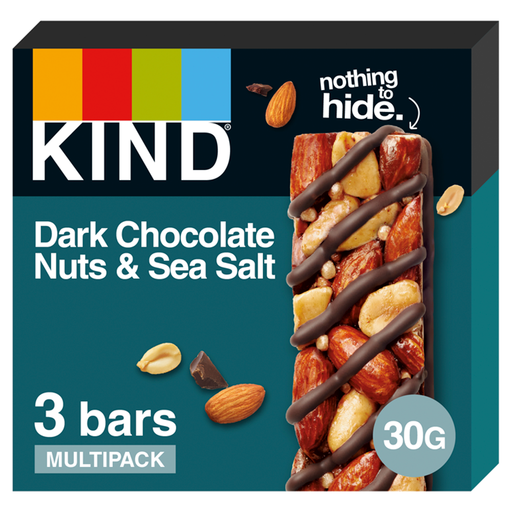
Why This Fits Their Persona: This bar is an ideal desk-drawer staple or on-the-go snack for a busy professional in the UK. It delivers a satisfying crunch and a touch of indulgence from the dark chocolate, making it feel like a proper treat while providing sustained energy for afternoon meetings.
It sidesteps the "Healthy Halo" trap by being transparent. Nuts are the first ingredient, not sugar or flour. The sugar content (4.8g per bar) is modest and balanced by protein and fibre from the nuts.
Made with over 60% whole nuts for sustained energy. It is also a high fibre and gluten-free option.
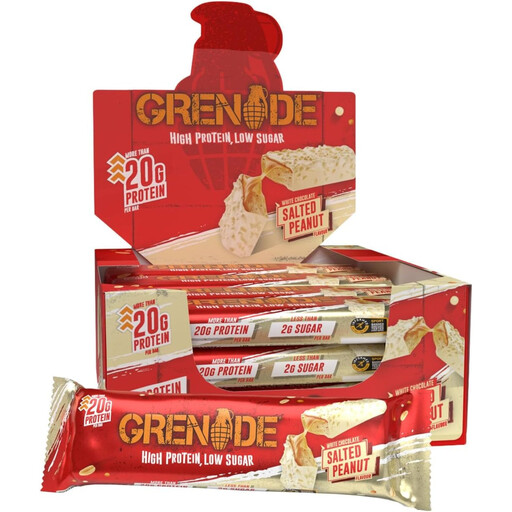
Why This Fits Their Persona: This bar is specifically formulated for post-workout recovery. It delivers a substantial protein hit to support muscle maintenance and growth, making it a go-to for anyone serious about their fitness routine.
It directly solves the "Protein Puzzle" by providing a clear, high dose of 20g of protein. It also demolishes the "Sugar Illusion" with an exceptionally low sugar content of just 2g per bar.
An excellent protein-to-sugar ratio. The multi-layered texture and flavour profile make it a satisfying treat without compromising on nutritional goals.
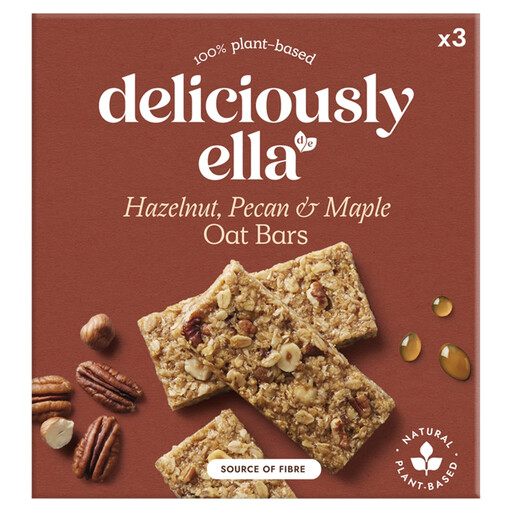
Why This Fits Their Persona: This bar is perfect for those who prioritise clean, plant-based ingredients. It's a great choice for a wholesome vegan and gluten-free snack that feels homemade, using ingredients you would find in your own kitchen pantry.
While it contains natural sugars from syrups, it avoids the "Illusion" trap through total transparency. The ingredient list is short, simple and free from artificial additives, colours and preservatives.
It is a plant-based (vegan) and gluten-free oat bar. The flavour comes from whole ingredients like nuts, oats and maple syrup, not artificial flavourings.
We have compiled a complete, real-time list of products that fully satisfy these strict selection criteria and UK safety regulations.
1. Are protein bars a good meal replacement? While convenient, most snack and protein bars are not designed to be a meal replacement. They are best used as a supplement to a balanced diet—for instance, to curb hunger between meals or to refuel after exercise. They typically lack the broad range of vitamins, minerals and macronutrients found in a complete meal.
2. What is considered a 'low sugar' snack bar? There is no official definition, but a practical guideline is to look for bars with 5 grams of sugar or less per serving. Always check the "of which sugars" value on the nutritional label rather than relying on front-of-pack claims like "reduced sugar."
3. Do I need a protein bar if I don't go to the gym? You don't need to be a gym-goer to benefit from a protein bar. Protein is essential for many bodily functions and contributes to satiety. A bar with a moderate amount of protein (around 10g) can be a more satisfying and balanced snack than a high-carb, high-sugar alternative, helping to keep you full and energised throughout the day.