
24/7 Customer Support

Free returns

Same-day & Next-day Delivery

Quality Guaranteed

Unlock Your Welcome Offers: FREE Delivery | Up to 80% OFF | Free 30-day JoyPlus trial
Download the APP
Choosing healthy snacks and biscuits can be more complicated than it looks. Packs may highlight “protein”, “natural ingredients”, “gluten-free” or “no added sugar”, while the nutrition panel tells a more balanced story. The right choice depends on your dietary requirements, appetite, routine and how often you plan to eat it.
This guide explains the common pitfalls, the information worth checking and a selection of convenient products for different UK shoppers.
A no added sugar biscuit can still contain considerable energy from flour, vegetable oils, chocolate or fillings. Some products use sweeteners such as maltitol, which can reduce the stated sugar content but may cause a laxative effect when consumed excessively. Always check the serving size, calories, total carbohydrate and fat rather than relying on the front-of-pack message.
Protein snack bars can be useful when you need something portable, but some also contain syrup, chocolate, nuts and substantial amounts of fat. For example, a 40g Nature Valley Protein Salted Caramel Nut Bar contains 202 kcal, 10.4g protein and 5.5g fibre per serving. That may suit an active adult, but it is more substantial than a small biscuit and should be chosen accordingly.
“Plant-based”, “gluten-free” and “vegetarian” are not interchangeable. A vegan snack bar should not contain milk, whey, honey or gelatine. Gluten-free snacks still need an appropriate label and allergen information, particularly for people with coeliac disease. Also check “may contain” statements for peanuts, tree nuts, milk and soya before buying.
Compare products using the stated serving size and, where useful, per 100g values. Look at:
A 35g Nakd Blueberry Muffin bar provides 131 kcal and 3.3g fibre, but its 17g sugar per bar largely comes from dates and raisins. It can fit a convenient snack routine, but “natural” does not mean sugar-free.
For gluten-free snacks, look for the relevant gluten-free statement and read the full allergen panel. Schär Gluten Free Crispbread lists corn starch, corn flour, rice flour and psyllium vegetable fibre, with no allergens listed in the supplied product information, although the packaging remains the final reference.
For vegan shoppers, ingredients need closer inspection. A fruit and nut bar made from dates, raisins, cashews, almonds and blueberries may be suitable, while a cereal bar with whey powder or honey is not. Products labelled vegetarian may still contain milk or egg.
An individually wrapped bar is practical for a commute, school bag or gym kit. Biscuits and crispbreads usually need a cool, dry place and should be resealed after opening. Frozen products require more planning: Applied Nutrition Ice Cream Protein Cookie Dough must be kept at -18°C or colder and should not be refrozen after thawing.
For lunchboxes, consider pack size and texture as well as nutrition. Crispbreads work with toppings at home, while oat bars and cereal bars are easier to eat without preparation.
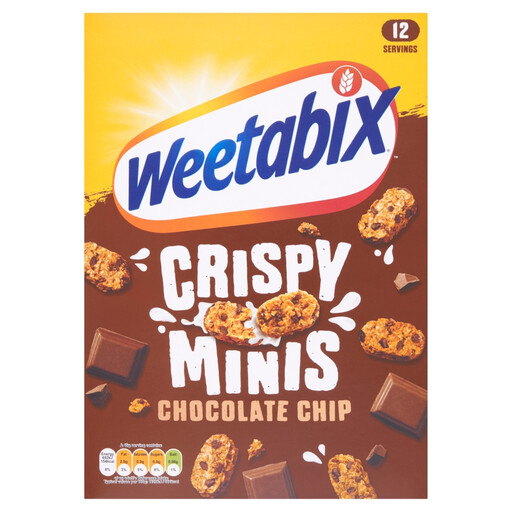
Why This Fits Their Persona: The 500g pack is suitable for shoppers wanting a cupboard staple for breakfast or casual snacking, with a 40g serving listed at 154 kcal and 4g fibre.
The listed nutrition includes portion guidance, so shoppers can avoid treating the whole box as one serving. It contains wheat and barley, which are clearly stated allergens.
Wholegrain wheat is listed at 64%, with 10g fibre and 10g protein per 100g.

Why This Fits Their Persona: A versatile choice for shoppers who prefer a neutral, crunchy base for breakfast, packed lunches or savoury toppings.
It is presented as a gluten-free crispbread rather than a sweet biscuit, and the ingredients and allergen information are easy to check before purchase.
Uses corn and rice flours with psyllium vegetable fibre; listed at 2.5g sugar and 0.3g saturates per 100g.

Why This Fits Their Persona: Individually portioned bars are convenient for a work bag, commute or post-exercise snack when a more filling option is needed.
The protein figure is shown per 40g bar, allowing a realistic comparison with other on-the-go snacks rather than relying only on front-of-pack wording.
Provides 10.4g protein and 5.5g fibre per bar; suitable for vegetarians and listed as gluten-free.

Why This Fits Their Persona: A compact fruit and nut bar for shoppers seeking a dairy-free, gluten-free option for an office drawer, handbag or day trip.
Its short ingredient list makes it easier to identify the main ingredients and potential nut allergens before ordering.
Made with dates, raisins, cashews, almonds and freeze-dried blueberries; each bar is 35g and dairy-free according to the supplied product information.
We have compiled a complete, real-time list of products that fully satisfy these strict selection criteria and UK safety regulations.
Check age guidance, choking risks, allergens and portion size. Choose individually packed items where practical, and avoid assuming that a “healthy” label makes a product suitable for every child. Products containing nuts may not be permitted in some schools.
They can be convenient, but compare calories, sugar, saturates and salt as well as protein. A bar may be useful after exercise or during a long commute, while a smaller snack may be more appropriate between regular meals.
Most should be kept in a cool, dry place away from direct sunlight. Reseal opened packs to preserve texture and follow the best-before information on the packaging. Frozen snacks, such as protein ice cream, require continuous freezer storage and must not be refrozen after thawing.