
24/7 Customer Support

Free returns

Same-day & Next-day Delivery

Quality Guaranteed

Unlock Your Welcome Offers: FREE Delivery | Up to 80% OFF | Free 30-day JoyPlus trial
Download the APP
As a parent or caregiver in the UK, navigating the snack aisle can feel like a full-time job. Shelves are packed with brightly coloured packages, all promising to be the perfect choice for your little one. But with so much marketing clutter, it's easy to fall into common traps and end up with products that aren't as wholesome as they seem. My role is to help you see past the hype and make informed choices for your family.
Before you fill your trolley, let's look at a few pitfalls that often catch parents out.
To find genuinely suitable healthy snacks for kids, focus on the details on the back of the pack, not the claims on the front. Here are the key parameters to analyse.
This is your most reliable source of information. Ignore the marketing slogans and look for these specifics:
The physical form of a snack is crucial for both safety and development.
Always check the allergen list, which is usually in bold. If your child has a sensitivity, finding clearly labelled gluten-free kids snacks or dairy-free options is essential. Many brands now cater to these needs, using ingredients like lentil, corn or rice flour as alternatives to wheat.
To help you apply this knowledge, here are a few options matched to different needs, all of which are available in convenient multipack children's snacks formats.
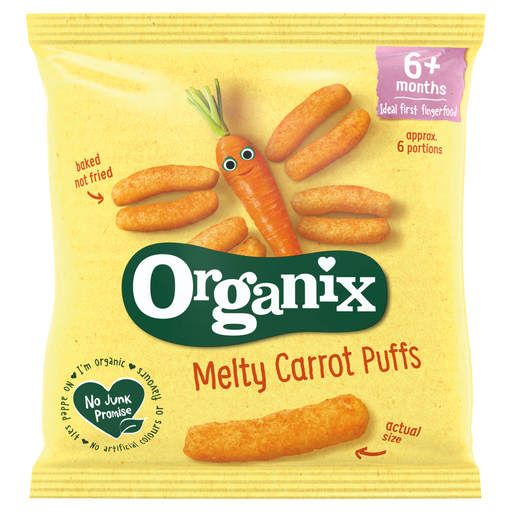
Why This Fits Their Persona: These are ideal for the first stages of self-feeding. The chunky stick shape is easy for a baby to hold, and the texture is designed to melt in the mouth, which is reassuring for parents concerned about choking.
It avoids the "Organic Halo" trap by backing up its organic status with a simple, clean ingredient list. There is no added salt, and the flavour comes from real carrot powder, not artificial flavourings.
Baked, not fried, with a simple ingredient list (organic corn, carrot powder, sunflower oil). The shape is designed to help develop pincer grip.
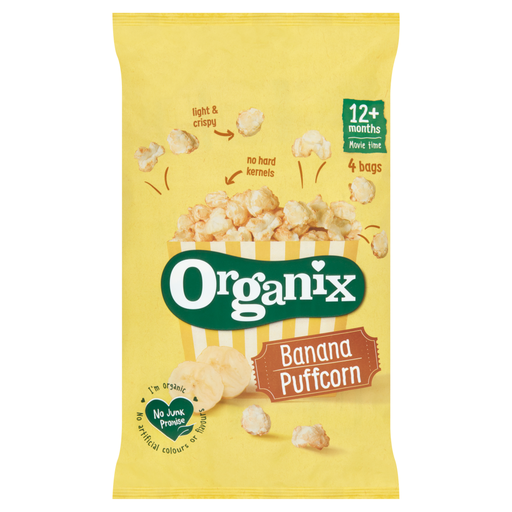
Why This Fits Their Persona: For toddlers who want to eat what the grown-ups are eating, this is a great alternative to traditional popcorn. It's fun and easy to eat, and the multipack format is perfect for popping into a bag for a trip to the park.
It directly addresses the age-appropriateness trap by creating a popcorn-like experience without the hard kernels or hulls, which can be a choking hazard for young children. It's specifically designed for toddlers.
A fun, safe alternative to popcorn with no hard kernels. It's 100% organic, gluten-free and comes in convenient portioned bags.
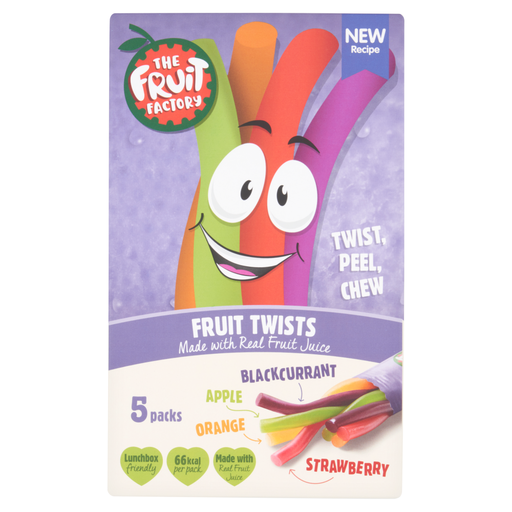
Why This Fits Their Persona: These are a practical choice for a fun, portion-controlled treat in a school lunchbox. They are convenient, mess-free and more appealing to older children who might have grown out of baby puffs.
While it contains sugar and glucose syrup, it avoids the "fruit illusion" by being transparent. This allows parents to make an informed choice, positioning it as a lunchbox treat rather than a health food, with the benefit of portion control.
Convenient, pre-portioned lunchbox snacks for kids. They are suitable for vegetarians and contain no artificial colours or flavours.
We have compiled a complete, real-time list of products that fully satisfy these strict selection criteria and UK safety regulations.
You can typically start introducing baby finger foods around 6 months, or whenever your baby can sit up independently and shows an interest in reaching for food. Begin with soft foods that dissolve easily, like puffs or soft-baked wafers and always supervise your child while they are eating.
Not necessarily. The "organic" label refers to the farming methods used to grow the ingredients. While this is a positive attribute, it doesn't guarantee the final product is low in sugar, salt or saturated fat. It is always important to read the full nutritional information to get a complete picture.
Look for a clear "gluten-free" statement on the packaging. Many snacks designed for children are made from naturally gluten-free ingredients like corn, rice or lentils. However, always double-check the ingredients list for the specific product and be aware of any "may contain" warnings if your child has a severe allergy or coeliac disease.