
24/7 全天候客户支持

免费退货

当日/次日达

品质保障

开启新人专享福利: 全场免邮 | 低至 2 折 | 免费试用 30 天 JoyPlus 会员
下载 Joybuy
Choosing healthy snacks and sports nutrition can be surprisingly difficult. A brightly packaged bar may look suitable for a balanced diet, while a large tub of carbohydrate powder may offer poor value if it does not match your training routine. The right choice depends on ingredients, nutrition per serving and how you intend to use it.
Whether you need breakfast on a busy morning, protein bars for work, vegan snacks for a long journey or workout fuel for cycling, check the details rather than relying on front-of-pack language.
Terms such as “natural”, “wholesome” and “energy” do not describe a legally fixed nutritional standard. A cereal bar can still contain substantial sugar, syrup or saturated fat. Compare the nutrition table per serving, not just the product’s marketing description.
For example, a 50g oat bar may be convenient and contain fibre, but it can also provide more than 200 kcal and over 14g of sugar. That does not automatically make it unsuitable; it simply means it should be matched to your appetite and activity level.
Carbohydrate powder, cream of rice and energy gels serve different purposes. A powder providing around 24–25g of carbohydrate per serving may suit a gym session or a planned fuelling routine, but it is not necessarily a replacement for a meal.
Similarly, an endurance gel supplying 40g of carbohydrate is designed for prolonged activity rather than casual snacking. Buying a large pack without considering serving size, flavour, storage and usage instructions can lead to waste.
“Vegan”, “vegetarian” and “gluten-free” are not interchangeable terms. Check the full ingredient list and allergen statement for milk, soya, wheat, oats, nuts, peanuts and sesame. Products may also carry a “may contain” warning because of shared manufacturing facilities.
Recipes and packaging can change, so always compare the product label with the online listing before consumption, particularly if you have an allergy or intolerance.
For everyday healthy breakfast snacks, look at:
A granola serving may look modest, but the portion printed on the pack can be smaller than a typical bowl. Weighing one serving at home once can make comparisons more realistic.
Oat bars, cereal bars and granola generally combine carbohydrates with other ingredients such as oils, dried fruit, nuts or syrup. They can work well as portable everyday snacks.
Cream of rice is a finely milled rice-flour product that can be mixed with water or milk. The products listed here provide 25g of carbohydrate per 30g serving, with low reported sugar and fat. This makes them a flexible option for breakfast or pre-workout fuelling, although they should still be consumed as part of a varied diet.
Carbohydrate powders and energy gels are more targeted. Check the carbohydrate amount per scoop or gel, mixing instructions and maximum recommended intake. During endurance training, test any workout fuel during practice rather than introducing it for the first time on an event day.
Convenience affects whether a product is actually useful. Individually wrapped bars suit commuting, office drawers and family bags, while a 1kg or 2kg powder tub may be more economical for regular users.
Check whether the product needs:
Also confirm the best-before date, especially when buying multipacks or stocking up.
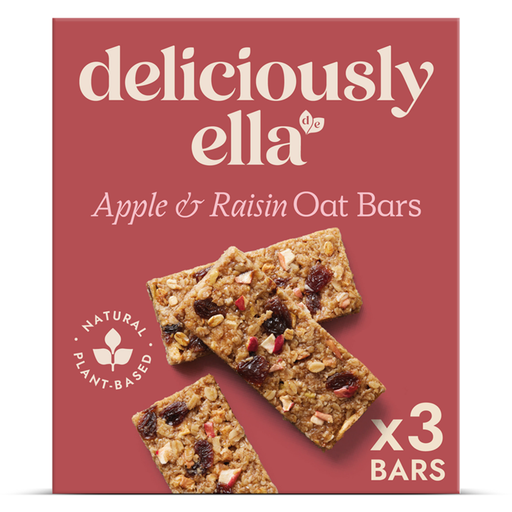
Why This Fits Their Persona: Individually sized oat bars are convenient for commuting, desk drawers, school bags and quick breakfast snacks. The product is listed as vegan and gluten-free; check the current pack if dietary exclusion is essential.
The 50g serving makes portion comparison straightforward. Its ingredient list centres on oats, raisins, apple and cinnamon, but the nutrition panel still needs checking because one bar provides 213 kcal and 14.5g of sugars.
Three individually packed 50g bars; 2.5g fibre per bar; plant-based ingredient profile.
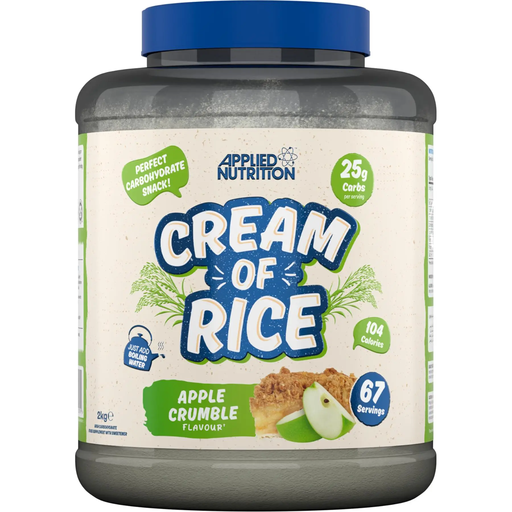
Why This Fits Their Persona: Suitable for adults who want a repeatable breakfast or pre-training carbohydrate option with adjustable preparation using water or milk.
The label states the serving size clearly: 30g supplies 25g carbohydrate, 104 kcal and less than 0.1g sugar. This helps buyers compare it with granola, cereal bars and other breakfast foods.
2kg format for regular use; 25g carbohydrate per 30g serving; mixes with hot or cold liquid.
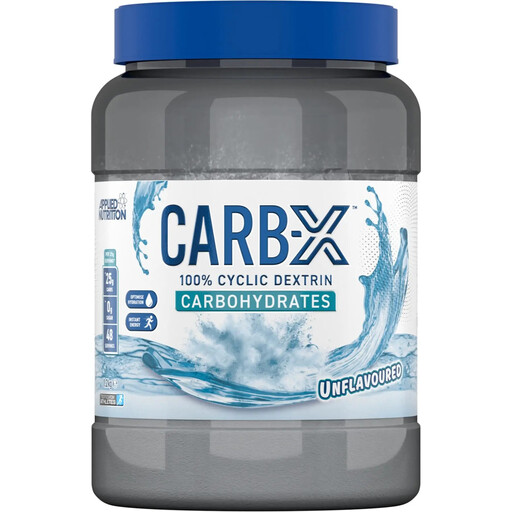
Why This Fits Their Persona: A practical choice for adults doing frequent gym, running, cycling or endurance sessions who want to measure carbohydrate powder into a drink.
The unflavoured format avoids paying for a flavour you may not enjoy. The label specifies 25g carbohydrate per 25g serving, with zero fat and zero sugar, plus clear mixing and daily-use guidance.
1.2kg pack; 25g carbohydrate per serving; listed as vegan and gluten-free.
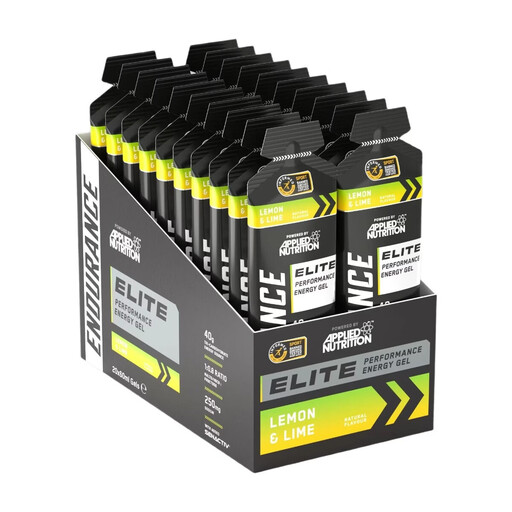
Why This Fits Their Persona: Designed for adults preparing for prolonged running, cycling or other endurance activity who need a portable source of carbohydrate and sodium during exercise.
The pack states 40g carbohydrate and 250mg sodium per gel, so the fuelling calculation is transparent. Follow the stated serving guidance and maintain normal fluid intake.
20-gel pack; 40g carbohydrate per gel; individually portable format for endurance nutrition.
Choose products with a clearly stated serving size and compare fibre, protein, sugar and energy. Oat bars, granola, cereal bars and cream of rice can all be convenient, but they serve different needs. Pairing a bar or cereal with yoghurt, fruit or another protein source may create a more substantial breakfast.
Not usually. Carbohydrate powder is a convenience product for people who need measured, easily prepared carbohydrate around training. For shorter or lower-intensity sessions, ordinary meals and snacks may be sufficient. Follow the product directions and avoid treating supplements as a substitute for a varied diet.
Use them according to the pack instructions and practise your chosen fuelling plan during training. Check carbohydrate per gel, sodium content, allergens and recommended daily maximum. If you have a medical condition, take medicines or are pregnant or breastfeeding, seek appropriate healthcare advice before using sports nutrition supplements.