
24/7 Customer Support

Free returns

Same-day & Next-day Delivery

Quality Guaranteed

Unlock Your Welcome Offers: FREE Delivery | Up to 80% OFF | Free 30-day JoyPlus trial
Download the APP
Finding suitable healthy snacks in the UK can be harder than it looks. A packet may highlight “high protein”, “low sugar” or “natural ingredients”, while the full nutrition panel tells a more complicated story. Portion size, sweeteners, allergens and serving frequency all affect whether a product fits your routine.
Whether you need high-protein snacks for work, vegan snacks for a plant-based diet or convenient on-the-go snacks for commuting, use the following checks before buying.
A protein bar can contain 20g of protein but still be relatively high in calories, fat or polyols. For example, some 60g bars provide around 21g of protein but also more than 200 kcal per bar. That may suit a post-training snack, but it is not automatically appropriate for frequent casual eating.
Check the protein, energy, fat, carbohydrate and salt per serving, rather than relying on front-of-pack wording alone.
“Low sugar” products often use sweeteners such as maltitol, sucralose or other polyols. These can reduce sugar content, but they do not make a product calorie-free. Some people may also experience digestive discomfort after consuming larger amounts of polyols.
For low-sugar snacks, compare the complete nutrition panel and follow any serving guidance on the packaging.
A cereal bar is not necessarily gluten-free, and a vegetarian snack may still contain milk, egg or other animal-derived ingredients. Similarly, snacks inspired by international cuisines may contain wheat or soya in sauces and seasonings.
Always inspect the allergen statement and ingredients list, particularly when buying gluten-free snacks, vegan products, beef jerky or spicy snacks.
The UK nutrition declaration normally provides both measurements. Per serving helps you understand what you will actually eat, while per 100g allows a fair comparison between a 30g bite, a 40g bar and a 60g meal replacement bar.
Useful questions include:
A small pack can still be energy-dense, especially with nuts, chocolate, oil or pastry-style ingredients.
Different products solve different problems:
For healthy snacks for weight management, portion control and total daily intake matter more than a single marketing claim.
Look for clearly declared allergens such as milk, soya, peanuts, tree nuts, wheat, sesame and mustard. “Plant-based” does not mean allergen-free, and “gluten-free” does not mean low calorie.
Also check:
The product label supplied with your order should take priority because formulations and packaging can change.
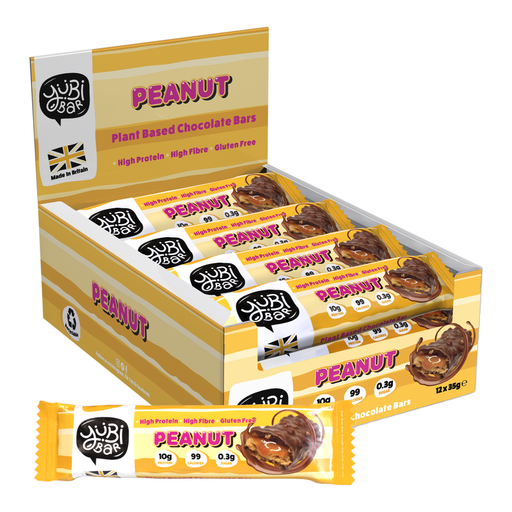
Why This Fits Their Persona: The 12 individually wrapped 35g bars provide a practical cupboard or desk supply, with 99 kcal and 10g protein per bar according to the supplied nutrition information.
Its small serving size makes portion comparison straightforward, rather than leaving you to divide a large bar.
Plant protein blend; listed as vegan, gluten-free and dairy-free. Contains soya and may not suit several allergy groups.

Why This Fits Their Persona: A larger 12-pack suits shoppers who want a consistent high-protein option for gym bags, commuting or planned between-meal use.
The supplied information states approximately 20g protein and 2.1g sugar per 64g bar, allowing direct comparison with similar products.
Includes milk, whey, soya and bovine collagen; the label lists 245 kcal and 21g protein per bar.

Why This Fits Their Persona: Its ready-to-eat format is suited to adults who occasionally need a structured portable meal replacement during workdays or travel.
It is clearly presented as a meal-support product, with usage guidance of one 60g bar per serving and a stated maximum of two bars daily.
Provides 202 kcal and 16g protein per bar, with listed vitamins and minerals. Contains milk and soya.
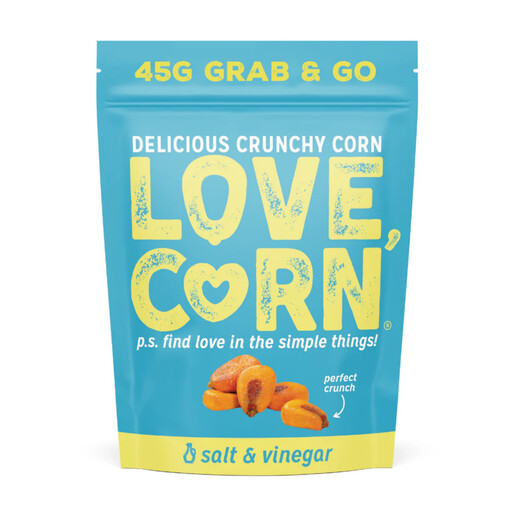
Why This Fits Their Persona: Ten 45g packs are convenient for lunchboxes, office drawers and sharing, while the savoury flavour provides an alternative to sweet protein products.
The 45g serving information shows 192 kcal and 0.5g salt, so the portion and seasoning contribution are visible.
Listed as vegan and gluten-free, with no allergens declared in the supplied details. Check the current pack for manufacturing information.
We have compiled a complete, real-time list of products that fully satisfy these strict selection criteria and UK safety regulations.
Look for a portion that fits your daily energy needs, with nutrition information that is easy to interpret. Fibre and protein may help a snack feel more substantial, but the overall calorie content, serving size and frequency still matter. No single bar or snack determines weight change on its own.
Some are specifically labelled as meal replacement or meal-support products, while others are simply snacks. Do not treat every protein bar as a complete meal. Check the product instructions, nutrient profile and allergen information, and follow the stated serving guidance.
Try roasted corn, savoury rice crackers, vegetarian protein snacks, beef jerky, nuts or portioned savoury snacks. Products such as Japanese konjac treats can add variety, although their sugar and carbohydrate content should still be checked. For a broader selection, compare products by flavour, pack size and nutrition rather than by marketing language alone.