
24/7 Customer Support

Free returns

Same-day & Next-day Delivery

Quality Guaranteed

Unlock Your Welcome Offers: FREE Delivery | Up to 80% OFF | Free 30-day JoyPlus trial
Download the APP
Finding healthy snacks for work, school, travel or exercise can be harder than it appears. Packaging often highlights phrases such as “natural”, “light” or “protein-rich”, while the more useful information sits in the ingredients and nutrition panels.
A practical shopping approach is to compare the product’s portion size, allergen information, ingredients and intended use. This helps you build a cupboard with genuinely useful options rather than buying snacks that do not suit your diet or routine.
Dates, dried fruit, syrups and fruit concentrates can all contribute to a sweet taste. They may be suitable ingredients for some shoppers, but “natural” does not automatically mean low in energy or sugar. For example, a 35g fruit and nut bar can contain 17g of sugars per bar, so the serving information matters.
Always compare the per portion figures as well as the standard per-100g information. This is particularly useful when choosing snack bars, healthy biscuits or sweet and savoury snacks.
Gluten-free snacks can be useful for people avoiding gluten, but the term only describes the absence or control of gluten under relevant food-labelling requirements. It does not automatically mean the product is lower in sugar, fat or calories.
Some gluten-free biscuits contain rice flour, maize starch, palm oil or sugar. Check the full ingredients list and allergen statement, especially if you have coeliac disease, an allergy or a diagnosed intolerance. Oats may also require particular attention, as some people react to avenin and cross-contact information can vary.
A large sharing bag may appear better value but can make portion control less straightforward. Conversely, individually wrapped snack bars or small popcorn bags can be easier to place in lunchboxes and work bags.
Storage also affects value. Biscuits, rice cakes and crispbread should generally be kept in a cool, dry place and sealed after opening. Check the packaging for the best-before date and follow any instructions about consuming the product after opening.
For everyday shopping, compare:
There is no single nutritional profile that suits everyone. A crisp rice cake may work as a light base for hummus or cottage cheese, while nuts and seeds provide a denser option for a small portion.
UK food packaging should identify regulated allergens clearly, but recipes and manufacturing arrangements can change. Look for statements covering milk, soya, peanuts, tree nuts, sesame, wheat and oats, as relevant to your needs.
“Vegan” and “vegetarian” suitability can also require careful reading. Some products do not intentionally contain animal ingredients but are made in facilities that handle milk. If cross-contact is important to you, use the latest packaging information and contact the manufacturer when necessary.
Choose snacks according to how they will be used:
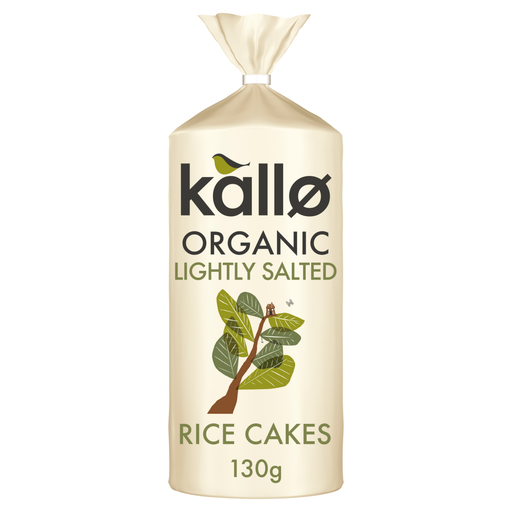
Why This Fits Their Persona: A simple cupboard staple for shoppers wanting a light, versatile base for sweet or savoury toppings.
The pack lists organic wholegrain rice at 99.8% with sea salt, making the ingredient profile straightforward rather than dependent on broad wellness wording.
Gluten-free according to the supplied product information; 27 kcal per rice cake and suitable for vegetarian and vegan diets, subject to cross-contact guidance.
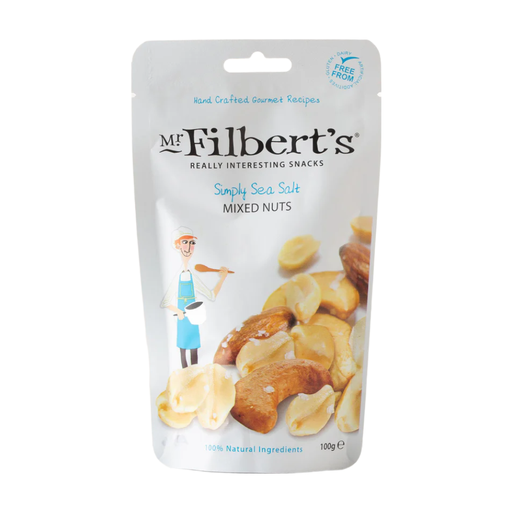
Why This Fits Their Persona: A compact option for adults who prefer a savoury snack with a substantial texture for work breaks or travel.
The pack clearly identifies peanuts, cashews and almonds, helping shoppers avoid vague “mixed nuts” descriptions that hide important allergen details.
Contains 98% roasted mixed nuts and provides 26.9g of protein per 100g; the 100g pack is easy to store and reseal.
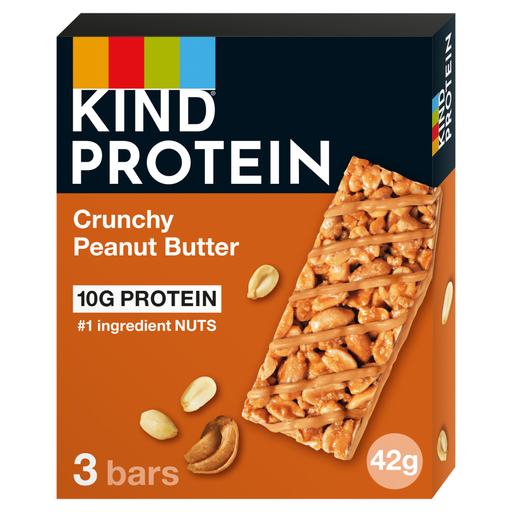
Why This Fits Their Persona: Individually packed bars suit commuters, gym users and customers who need portable snacks without preparation.
Rather than relying on a general “fitness” message, the label provides per-bar figures: 199 kcal, 8.4g protein and 3.8g fibre.
Three 42g bars per pack; contains peanuts and soya, with tree nuts potentially present, so the allergen information is prominent for planning.
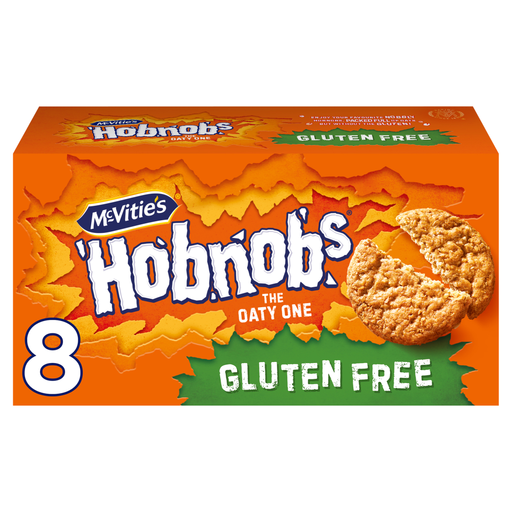
Why This Fits Their Persona: A familiar biscuit format for tea breaks, shared cupboards and shoppers seeking gluten-free snacks for everyday occasions.
The ingredient list identifies gluten-free oats and separately states potential traces of nuts, milk, egg and soya, supporting more informed purchasing.
150g pack with 42% gluten-free rolled oats; suitable for storing in a cool, dry cupboard and pairing with tea or coffee.
We have compiled a complete, real-time list of products that fully satisfy these strict selection criteria and UK safety regulations.
Gluten-free snacks can be enjoyed by many people, but they are particularly relevant to those avoiding gluten. They are not automatically lower in calories, sugar or fat. Read the ingredients and allergen information, and follow medical guidance if you have coeliac disease or a diagnosed allergy.
Individually packed snack bars, small portions of nuts and seeds, rice cakes, popcorn and crispbread are easy to carry. For longer journeys, choose sealed packs with clear storage information. A mixture of sweet and savoury snacks can also make a cupboard more useful across different preferences.
Compare the price per 100g or per serving, not just the headline pack price. Include delivery charges, multipack quantities and shelf life in your calculation. Ordering a varied selection together may be more practical than purchasing individual packs, provided you can store and use them before their best-before dates.