
24/7 Customer Support

Free returns

Same-day & Next-day Delivery

Quality Guaranteed

Unlock Your Welcome Offers: FREE Delivery | Up to 80% OFF | Free 30-day JoyPlus trial
Download the APP
Finding healthy snacks online can be surprisingly difficult. A product may use phrases such as “natural”, “high protein” or “reduced sugar”, while the actual serving size, allergen information and nutritional balance tell a more useful story.
For UK shoppers, the right choice depends on how the snack will be used: a quick desk snack, a lunchbox addition, a pre- or post-exercise option or a savoury treat for sharing. Here is how to compare products without relying on marketing language alone.
A protein snack bar can be useful when convenience matters, but protein is only one part of the label. Some bars also contain considerable amounts of fat, saturates, sugar or salt. For example, the Nature Valley Protein Salted Caramel Nut Bar provides 10.4g of protein per 40g bar, alongside 202 kcal, 12.2g fat and 0.42g salt.
That does not make it unsuitable; it simply means you should compare the complete nutritional panel and your intended portion.
Vegan snack bars and fruit-and-nut bars can contain dates, raisins, syrups or other sweet ingredients. Nakd Blueberry Muffin bars contain 17g of sugar per 35g bar, while the sweetness comes from dates and raisins rather than added sucrose. The ingredients may suit a vegan or dairy-free diet, but the sugar figure still matters.
Similarly, “plant-based” describes the source of ingredients, not necessarily the calorie, fat or salt content.
Allergen information is particularly important when buying mixed boxes for families, offices or gyms. Common ingredients across healthy snacks include peanuts, tree nuts, soya, milk, wheat, oats, sesame and fish.
Always check the current packaging before eating, especially if you have a diagnosed allergy or are buying for someone else. A product described as gluten-free should not be confused with a product containing oats or wheat. Graze Oat Boosts, for instance, list oats containing gluten, while Trek Cocoa Oat and Trek Salted Caramel Flapjacks are listed as using gluten-free oats but contain soya.
For practical comparisons, check the protein per bar or portion. This is more relevant than a large per-100g figure when selecting on-the-go snacks.
Examples include:
If you are looking specifically for high-protein snacks, also compare calories, fibre and salt. A bar with more protein may be larger or more energy-dense.
The ingredients list is arranged by weight, so the first few ingredients give a useful indication of the product’s composition. Trek Cocoa Oat lists gluten-free oats at 25% and soy protein crispies at 15%. Eat Natural’s Peanut and Chocolate Energy Bar lists peanuts at 45% and dark chocolate at 11%.
For gluten-free snacks, look for an explicit gluten-free statement and read the allergen section carefully. For vegan snack bars, check for milk, whey, honey and other animal-derived ingredients. “May contain” warnings indicate possible cross-contact and should not be ignored.
A multipack can reduce the need for frequent shopping, but compare the number of portions rather than the outer pack size. Individual wrappers are convenient for commuting, lunchboxes and gym bags, while resealable pouches are more suitable for sharing.
Most ready-to-eat snacks should be stored in a cool, dry place away from direct sunlight. After opening, follow the label instructions. Crispy Asian snacks such as seaweed or fish snacks can lose texture quickly when exposed to humidity.
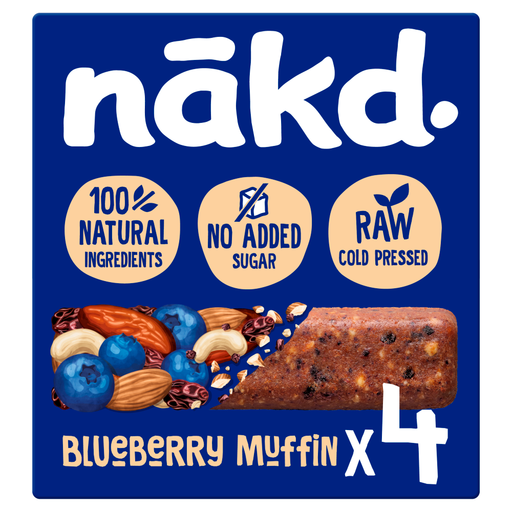
Why This Fits Their Persona: Four individually portioned 35g bars offer a straightforward option for commuters, students or shoppers building a small snack drawer.
The label clearly shows 131 kcal and 17g sugar per bar, helping buyers judge the portion rather than relying on “natural” wording.
Made with fruit and nuts; listed as gluten-free and dairy-free. Contains almonds and cashews.
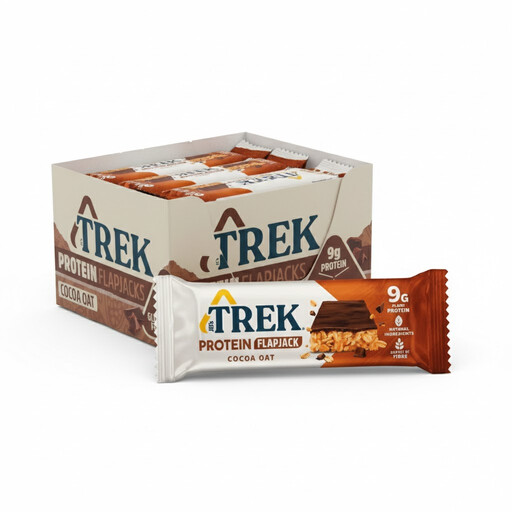
Why This Fits Their Persona: The 16-bar format suits households, workplaces and regular snack planning where a larger supply is useful.
The nutrition panel states 9g protein, 227 kcal and 14g sugar per 50g bar, making the trade-offs visible.
Vegan and listed as gluten-free; uses oats and soy protein crispies. May contain milk, nuts and peanuts.

Why This Fits Their Persona: A portable 4-pack works for gym bags, long journeys and active days when a measured protein portion is convenient.
It provides serving-level figures: 10.4g protein, 202 kcal, 5.8g sugar and 0.42g salt per bar.
High in protein and fibre and listed as gluten-free. Contains peanuts, soya, milk and almonds.

Why This Fits Their Persona: This vacuum-packed ready-to-eat soy snack provides a savoury alternative to sweet energy bars and suits office lunches or travel.
Its nutrition panel shows 21g protein but also 2.7g salt per 100g, so shoppers can make an informed portion decision.
95g ready-to-eat pouch with a chewy texture and plant-based protein. Contains soya, wheat and sesame.
We have compiled a complete, real-time list of products that fully satisfy these strict selection criteria and UK safety regulations.
There is no single definition that suits every shopper. A practical choice usually has a suitable portion size, clear ingredients, an allergen declaration and nutrition that fits your needs. Compare protein, fibre, sugar, fat, saturates and salt rather than relying on front-of-pack claims.
They can be convenient, particularly when a meal is not immediately available. Check the protein per bar, total calories and ingredients, and remember that bars are not automatically a substitute for a varied diet.
Follow the storage instructions on the packaging. Most bars and packaged snacks should remain in a cool, dry place away from direct sunlight. Reseal opened pouches promptly, and refrigerate products after opening when the label instructs you to do so.