
24/7 全天候客户支持

免费退货

当日/次日达

品质保障

开启新人专享福利: 全场免邮 | 低至 2 折 | 免费试用 30 天 JoyPlus 会员
下载 Joybuy
Choosing heart health supplements can be confusing. Product labels often combine terms such as “cardiovascular support”, “circulation”, “cholesterol care” and “antioxidant protection”, while the actual ingredient amounts may vary considerably. A sensible choice starts with reading the label rather than relying on prominent front-of-pack claims.
As the Joybuy Product Recommendation Officer, my role is to filter out unnecessary marketing language and highlight the details that matter when comparing cardiovascular supplements for everyday use.
A bottle may advertise “omega-3 fish oil” or “garlic extract”, but the important figure is the amount of the active component. For omega-3 products, check the separate EPA and DHA quantities, not only the total fish oil weight. A 1,000mg fish oil capsule may contain considerably less than 1,000mg of combined EPA and DHA.
Similarly, garlic supplements may list the weight of garlic powder but provide limited information about allicin. A product with a stated allicin yield is easier to compare.
Natural ingredients can still interact with prescription medicines or be unsuitable for certain medical conditions. This is particularly relevant to red yeast rice capsules, concentrated garlic products, omega-3 supplements and formulas containing herbs or amino acids.
If you take blood pressure, cholesterol, diabetes or blood-thinning medication, speak to a pharmacist or GP before purchasing. Do not use supplements to replace prescribed treatment.
Capsules may contain gelatine, fish, soya or other animal-derived ingredients. A product described as plant-based may still be manufactured in a facility handling allergens. Check the complete ingredient list, capsule shell and allergen statement rather than relying solely on a “vegan” or “clean formula” badge.
Look for precise amounts per capsule or serving. Examples include:
Standardisation helps you understand what a botanical extract contains, although it does not guarantee a particular medical outcome.
Compare the recommended daily intake rather than the number of capsules in the bottle. A 120-capsule product may not last four months if the suggested intake is two capsules twice daily.
Softgels can suit people who prefer oil-based supplements, while vegan capsules may be more appropriate for plant-based diets. Lemon-flavoured omega-3 softgels can also be useful if you dislike a strong fish taste. Always follow the product label and do not exceed its stated dose.
Useful checks include:
Certifications relate to particular production or sourcing standards; they should not be treated as proof that a supplement prevents or treats disease.
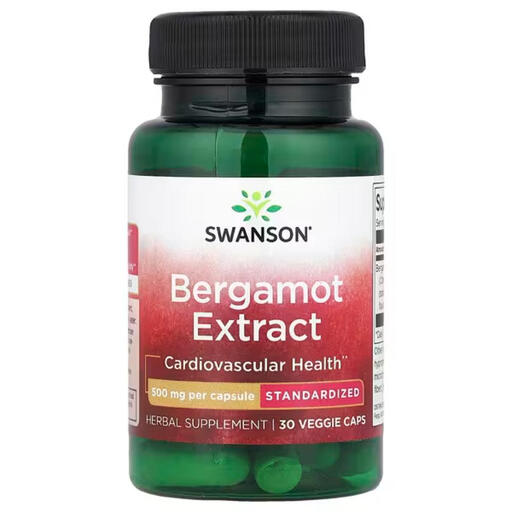
Why This Fits Their Persona: A compact option for adults starting a targeted cholesterol support supplements routine, including shoppers following a vegan lifestyle.
The label states 500mg of bergamot extract per capsule and identifies its 20% flavonoid standardisation, rather than only using a broad cardiovascular claim.
Vegan capsule shell; 30-capsule pack; one capsule contains a clearly specified extract amount.
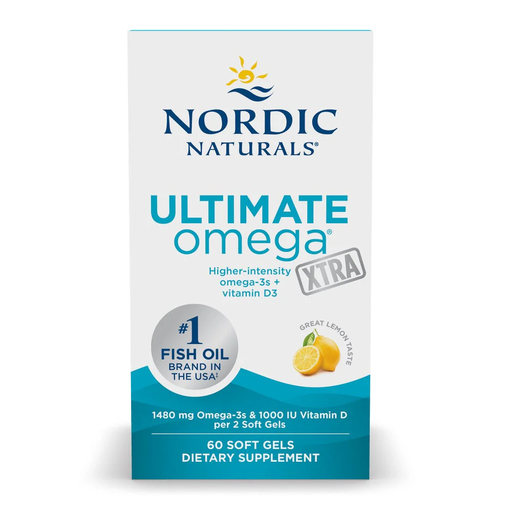
Why This Fits Their Persona: Suits adults who want detailed omega-3 figures, a lemon flavour and a stated sourcing certification.
It separates total omega-3, EPA and DHA amounts, making comparison more meaningful than judging fish oil weight alone.
1,060mg EPA and 260mg DHA per two-softgel serving; triglyceride-form fish oil; Friend of the Sea certification stated.
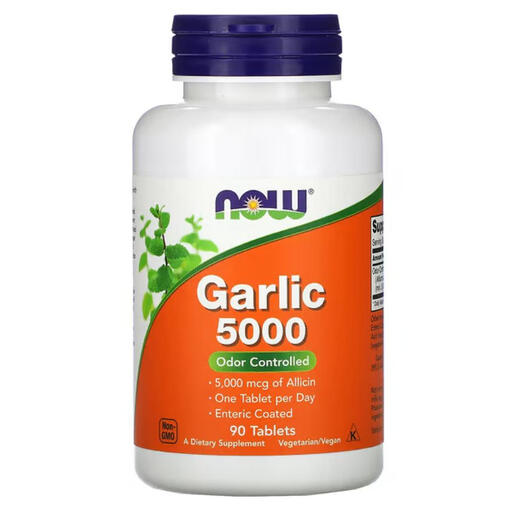
Why This Fits Their Persona: A practical choice for adults seeking a longer 90-tablet supply and an odour-controlled garlic format.
The product specifies a minimum 5,000mcg allicin yield and uses enteric coating, rather than leaving the active garlic detail unclear.
One tablet daily; 90-tablet pack; enteric-coated and odour-controlled format.
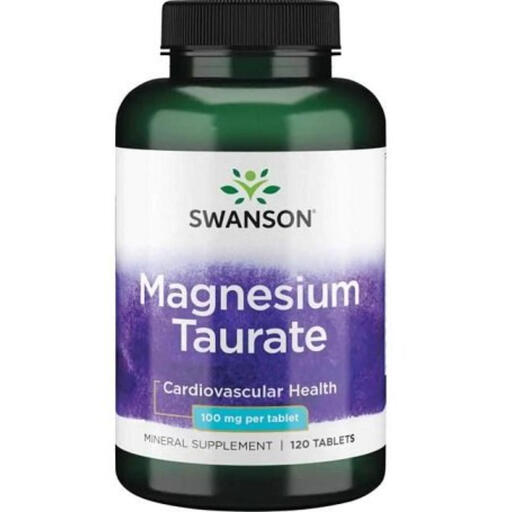
Why This Fits Their Persona: Suits adults seeking magnesium heart support in a larger capsule supply for a consistent daily routine.
The label gives the elemental magnesium amount—200mg per two-tablet serving—rather than only naming the magnesium compound.
120-capsule supply; once-daily serving; magnesium taurate formula with stated elemental magnesium.
Keep a record of the supplements you already take to avoid overlapping ingredients. For example, combining several antioxidant supplements, magnesium products or omega-3 formulas may increase your total intake unnecessarily.
People with diagnosed cardiovascular conditions, kidney or liver problems, those who are pregnant or breastfeeding and anyone taking regular medication should seek individual advice before use. Supplements should accompany a varied diet and healthy lifestyle, not replace them.
We have compiled a complete, real-time list of products that fully satisfy these strict selection criteria and UK safety regulations.
They are dietary products containing ingredients such as omega-3, bergamot, garlic, magnesium or plant antioxidants. They are generally purchased to complement daily nutritional intake and support normal cardiovascular or general wellbeing. They are not intended to diagnose, treat or prevent disease.
Some ingredients may interact with medicines, including blood thinners, cholesterol-lowering treatment and blood pressure medication. Ask a pharmacist or GP before taking a new product, particularly red yeast rice capsules, concentrated garlic, high-dose omega-3 or circulation support capsules.
This depends on the serving instruction. Divide the capsule count by the number taken each day. A 60-capsule bottle used at two capsules daily lasts 30 days, while a 120-capsule bottle used once daily lasts around four months. Check the label before buying and store the product as directed.