
24/7 全天候客户支持

免费退货

当日/次日达

品质保障

开启新人专享福利: 全场免邮 | 低至 2 折 | 免费试用 30 天 JoyPlus 会员
下载 Joybuy
Choosing heart health supplements in the UK can be confusing. Product labels often use broad phrases such as “cardiovascular support”, “advanced absorption” or “antioxidant protection”, while the practical details—active ingredient amounts, allergens, capsule type and daily cost—may receive less attention.
A sensible buying decision starts by looking beyond the front of the packaging. Supplements are not a replacement for prescribed treatment, a varied diet or lifestyle measures. If you have a heart condition, take blood-thinning, blood pressure or cholesterol medication, or have an upcoming procedure, speak to a healthcare professional before adding a product.
A fish oil capsule may contain 1,000 mg of oil but considerably less EPA and DHA. Compare the actual EPA and DHA quantities, rather than the headline fish oil weight. The same principle applies to plant extracts: check whether the label gives a standardised amount, such as bergamot extract with a stated flavonoid percentage.
Omega-3 supplements may contain fish and gelatine. Other cardiovascular supplements can include soya, beeswax, red yeast rice or animal-derived capsule shells. Vegan heart supplements usually use hypromellose or tapioca-based capsules, but “plant-based” wording should still be checked against the full ingredients list.
Taking several products with similar ingredients can increase unnecessary intake. For example, combining multiple omega-3 supplements, vitamin D products or antioxidant supplements may create overlap. Check the recommended daily serving, number of capsules per pack and warnings before purchasing.
Different cardiovascular supplements are designed around different nutritional priorities:
For a vegan product, check both the active ingredient and the capsule shell. Fish oil and softgel products commonly contain fish gelatine, while some tablets may contain soya or other allergens. If you have an allergy or intolerance, always verify the current pack label because formulations can change.
A 30-capsule bottle may provide 30 days of use—or only 10 days if the serving is three capsules. Compare cost per daily serving, not just the shelf price. Softgels may be easier for some people to swallow, while tablets or plant-based capsules can better suit specific dietary preferences.
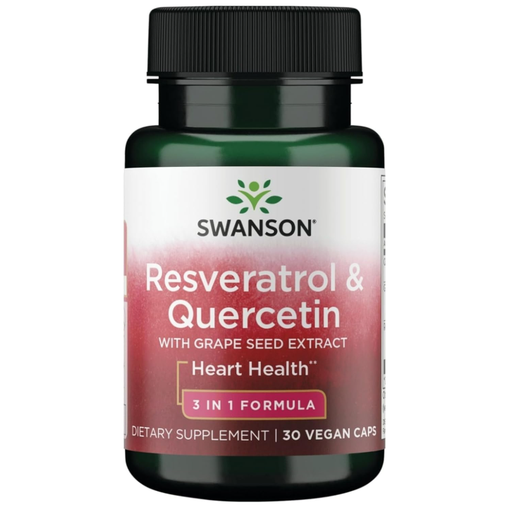
Why This Fits Their Persona: A compact 30-capsule option for adults beginning an antioxidant-focused routine without committing to a large pack.
The label specifies 100 mg resveratrol, 250 mg quercetin and 100 mg grape seed extract per serving, rather than relying only on a general antioxidant headline.
Vegan capsules; one capsule per serving, with a stated maximum of two capsules in 24 hours.
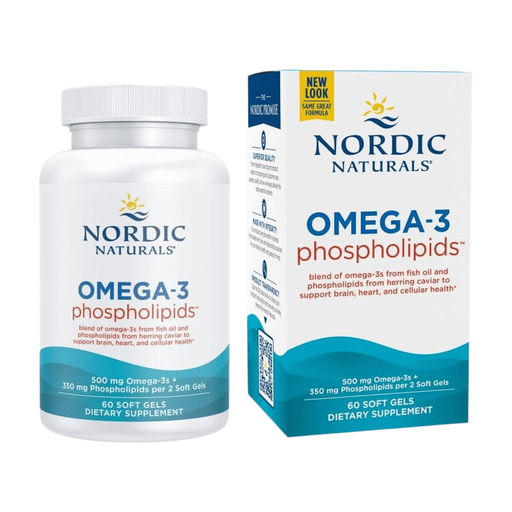
Why This Fits Their Persona: Suitable for adults prioritising a clearly itemised omega-3 and heart and brain health format for regular use.
Its label separates total omega-3s, EPA, DHA and phospholipids, making it easier to compare the active profile with standard fish oil products.
500 mg total omega-3 per softgel; two-softgel daily serving; contains fish and gelatine.
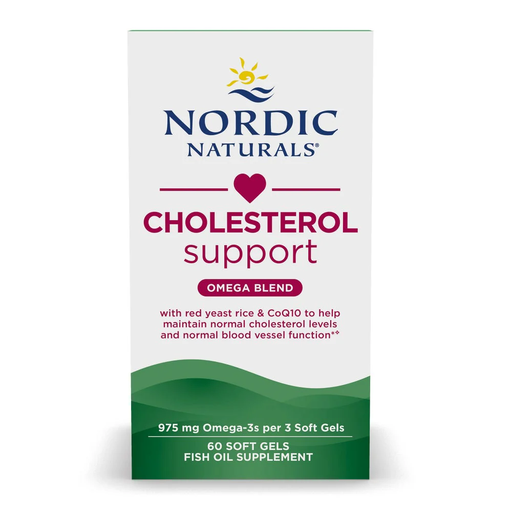
Why This Fits Their Persona: Designed for adults comparing a combined formula for cholesterol and triglyceride levels already within the normal range.
The formula lists 900 mg omega-3s, 900 mg plant sterols and 30 mg CoQ10 per three-softgel serving, so the daily commitment is clear.
Combines fish oil, plant sterols and CoQ10; contains fish and soya, and requires three softgels daily.
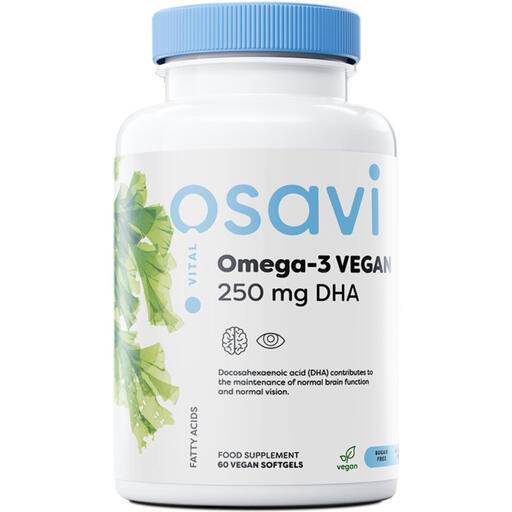
Why This Fits Their Persona: A straightforward choice for UK vegetarians and vegans seeking algae-derived DHA rather than fish oil.
The source is identified as Schizochytrium algae, and the product uses a tapioca softgel rather than a fish-derived or gelatine shell.
Provides 250 mg DHA per softgel; listed as free from gluten, lactose, soya and GMO ingredients.
We have compiled a complete, real-time list of products that fully meet these strict selection criteria and UK safety regulations.
Check the active ingredients and quantities per daily serving, allergens, capsule material, recommended dose and warnings. Also confirm that the product is a food supplement, not a substitute for prescribed treatment.
Algae-based products can provide DHA without fish or gelatine. Osavi’s vegan softgels provide 250 mg DHA per capsule. Compare the actual nutrient amount and choose a product that fits your dietary requirements.
Do not assume that supplements are risk-free. Omega-3, hawthorn, bergamot, red yeast rice, plant sterols and circulation-focused ingredients may require additional care alongside medicines. Ask a pharmacist or GP before use, particularly if you take blood thinners, heart or blood pressure medication. Always follow the current product label.